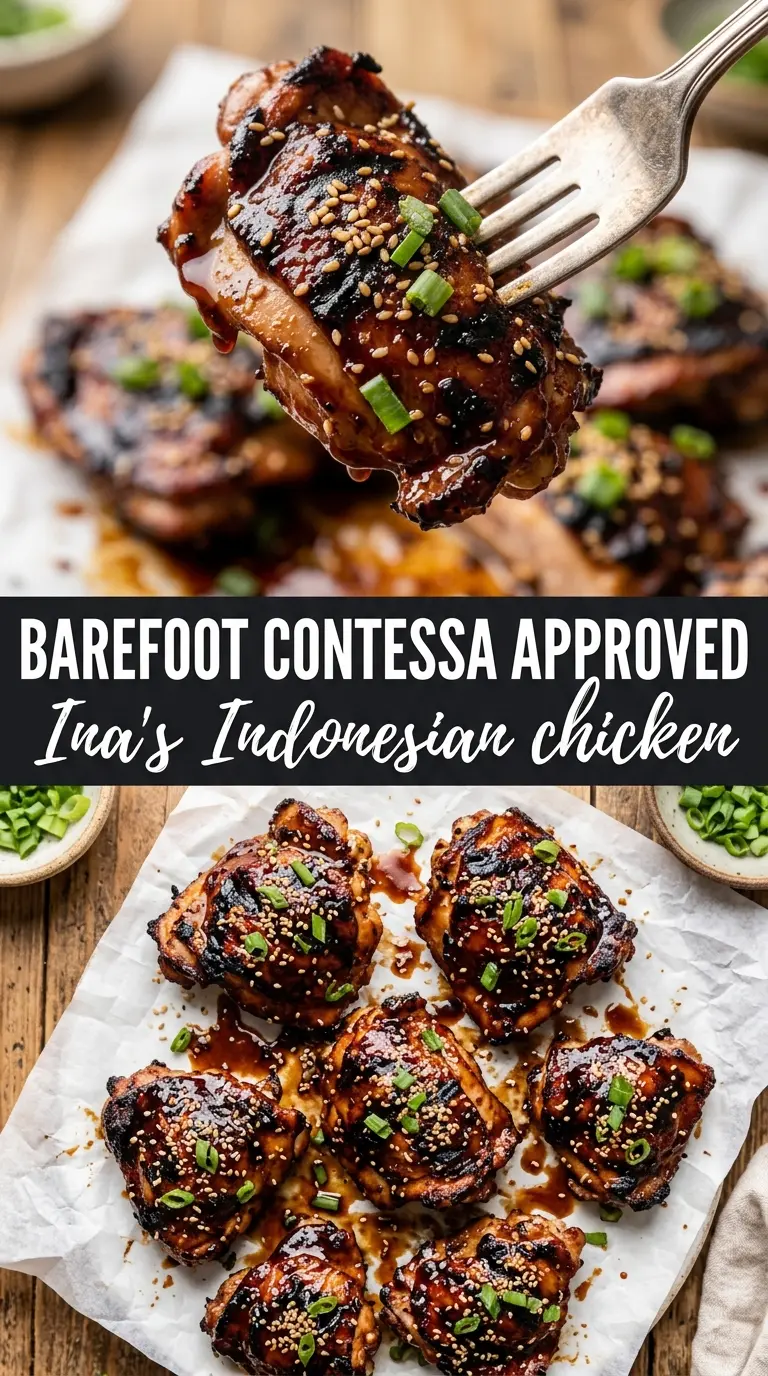
Sticky, glossy chicken thighs with caramelized edges and a little heat from sambal oelek earn their place on repeat fast. The skin turns deep golden in the oven, the marinade reduces into a savory-sweet glaze, and every bite lands with ginger, garlic, and soy in the right balance instead of one note taking over.
What makes this version work is the long marination and the high-sugar, high-acid sauce. Honey and vinegar help the chicken brown while the soy sauce seasons it all the way through, and the peanut oil carries the aromatics without muddying them. Bone-in, skin-on thighs matter here because they stay juicy while the skin has time to crisp and blister at the edges.
Below, I’ll walk through the one part that keeps people from getting that restaurant-style caramelization, plus a few smart swaps if you need to adjust the heat or make it gluten-free.
The marinade reduced into the sweetest sticky glaze in the pan, and the chicken skin came out crisp at the edges instead of soggy. I basted twice like you said and the flavor was deep all the way through.
Save this Indonesian chicken for the nights when you want sticky, caramelized thighs with almost no extra cleanup.
The Part That Makes the Glaze Stick Instead of Run Off
The biggest mistake with this dish is treating the marinade like a thin sauce and expecting it to behave the same way in the oven. It won’t. The honey needs time and heat to reduce, and the skin needs direct exposure so it can render before the sugars fully darken.
That’s why the chicken goes in skin-side up and roasts in all the marinade instead of being buried under it. As the pan heats, the sauce gets syrupy around the thighs, then the broiler finishes the job with those dark, glossy edges that taste like concentrated flavor instead of burnt sugar.
- Bone-in, skin-on chicken thighs — These give you the juiciest result and enough fat to keep the meat tender during the long roast. Boneless thighs cook faster, but they won’t give you the same lacquered skin or the deep pan juices.
- Honey — This is what turns the marinade into a glaze. Plain sugar won’t behave the same way here, and maple syrup brings a different flavor and browns a little less cleanly.
- Peanut oil — Its neutral, high-heat character helps the marinade coat the chicken without competing with the ginger and garlic. Canola is the best easy substitute if peanut oil isn’t in your pantry.
- Sambal oelek — It gives the chicken heat without extra sweetness or a paste-like texture. Red pepper flakes work in a pinch, but the finish is a little sharper and less rounded.
What Each Ingredient Is Actually Doing in This Chicken Dish
- Chicken (pat dry for browning) — Room temperature cooks more evenly. Even pieces ensure uniform doneness.
- Oil or butter (the browning medium) — High-heat oil essential for proper searing. Creates pan flavor.
- Seasonings (salt, pepper, spices) — Apply generously. Chicken carries the entire flavor profile.
- Aromatics (garlic, ginger, herbs) — Cook with fat to bloom flavors. Become the foundation.
- Sauce or braising liquid (if using) — This keeps chicken moist. Balance richness with acid.
- Vegetables (if using) — Layer by cooking time so everything finishes together.
- Acid (vinegar, wine, lime, or pineapple) — This brightens and prevents one-dimensional flavor.
- Proper doneness (165°F internal temperature) — Use thermometer for accuracy. Overcooked is dry.
Building the Marinade, Roasting the Chicken, and Getting the Broiler Finish Right
Mixing the Marinade
Whisk the soy sauce, peanut oil, honey, white wine vinegar, ginger, garlic, black pepper, and sambal oelek until the honey disappears into the liquid. If the honey sits in streaks at the bottom, it won’t coat the chicken evenly. The marinade should smell sharp, savory, and a little spicy all at once.
Letting the Chicken Absorb It
Pour the marinade over the chicken and refrigerate for at least 4 hours, overnight if you can. That resting time is what seasons the meat all the way through, not just the surface. If you rush this step, the outside can taste bold while the inside stays plain.
Roasting Until the Skin Turns Glossy
Set the chicken skin-side up in a roasting pan with all the marinade and roast at 375°F until the skin is deeply golden and the juices in the pan are bubbling. Don’t flip the thighs. The skin needs to stay exposed so it can render and brown instead of steaming under the sauce.
Basting and Broiling for the Final Burnished Edge
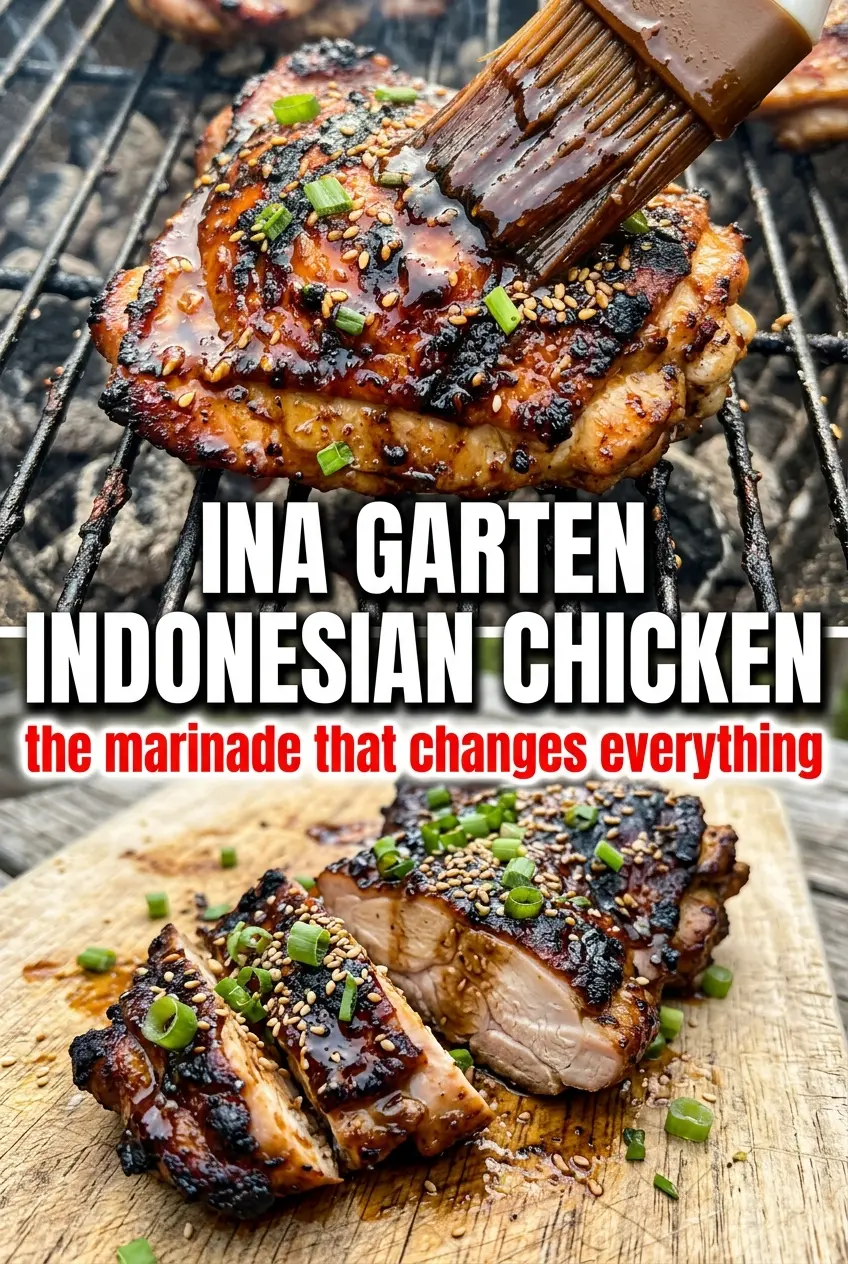
Baste the chicken twice during cooking with the pan juices, then finish under the broiler for 3 to 4 minutes. Watch it closely here; the line between caramelized and scorched is thin because of the honey. Pull it the moment the top looks dark amber with a few charred spots at the edges.
What to Change When You Need a Different Version
Gluten-Free Swaps That Keep the Sauce Bold
Use tamari or a certified gluten-free soy sauce in place of regular soy sauce. The flavor stays salty and deep, and the texture of the glaze won’t change, which is why this swap works cleanly here.
Less Heat Without Losing the Ginger-Garlic Backbone
Cut the sambal oelek in half or leave it out entirely if you want a milder chicken. The dish still tastes layered because the ginger, garlic, and vinegar do the heavy lifting; the heat just moves from background to foreground depending on how much you use.
Chicken Breasts Instead of Thighs
You can use bone-in, skin-on chicken breasts, but shorten the cook time and start checking early. Breasts dry out faster than thighs, so pull them as soon as the thickest part reaches temperature and the skin is just turning crisp.
Storage and Reheating
- Refrigerator: Store leftovers in an airtight container for up to 4 days. The skin softens, but the flavor deepens overnight.
- Freezer: Freeze the chicken and pan juices for up to 2 months. Thaw in the refrigerator so the meat stays juicy and the sauce doesn’t separate.
- Reheating: Reheat covered in a 325°F oven until hot, then uncover for a few minutes to re-crisp the skin. The microwave makes the skin rubbery and dulls the glaze, so skip it if you want the best texture.
Questions I Get Asked About This Recipe
Ina Garten Indonesian Chicken
Ingredients
Equipment
Method
- Whisk soy sauce, peanut oil, honey, white wine vinegar, ginger, garlic, black pepper, and sambal oelek together until smooth.
- Pour the marinade over the chicken in a bowl or dish so the thighs are coated.
- Cover and marinate at least 4 hours or overnight in the refrigerator.
- Preheat the oven to 375F and place the chicken skin-side up in a roasting pan with all the marinade.
- Roast for 30-35 minutes, until the skin is deeply golden and caramelized.
- Baste the chicken twice during cooking with the pan juices so the skin stays glossy.
- Finish under the broiler for 3-4 minutes for extra caramelization.
- Garnish with sliced green onions and sesame seeds before serving.