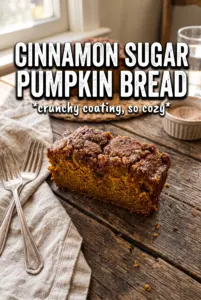
Vanilla pudding pumpkin bread bakes up with a dense, tender crumb and a soft slice that stays moist for days. The vanilla pudding mix gives it that bakery-style texture people notice right away, while the pumpkin and warm spice keep every bite grounded and familiar. A thin powdered sugar glaze on top is all it needs to finish cleanly.
What makes this version work is the balance. Pumpkin puree brings body and moisture, but the dry instant pudding mix adds a little extra tenderness that plain pumpkin bread often misses. Sour cream deepens that soft texture without making the loaf heavy, and the combination of brown sugar and granulated sugar gives the bread both sweetness and a little depth. You don’t need a mixer here, just a bowl, a whisk, and a light hand once the dry ingredients go in.
Below you’ll find the exact mixing order that keeps the crumb soft instead of tough, plus a few useful swaps if you want to change the glaze or bake it into muffins instead of a loaf.
The loaf came out incredibly moist, and the vanilla pudding gave it a softer crumb than my usual pumpkin bread. I baked it right at 65 minutes and the glaze set up beautifully without sinking in.
Save this vanilla pudding pumpkin bread for the days when you want an extra-moist loaf with a tender crumb and a simple glaze.
The Reason This Loaf Stays Moist Instead of Dense
The biggest mistake with pumpkin bread is treating it like a quick stir-together cake. It does need to be mixed gently, but it also needs enough structure to hold up to all that pumpkin and sour cream. The pudding mix is doing quiet work here: it helps the crumb stay tender without making the loaf gummy, which is what happens when a recipe leans on too much puree alone. The batter will look thick, and that’s the right place to stop.
- Instant vanilla pudding mix — Use the dry mix straight from the packet. It adds softness and a light vanilla note that makes the bread taste richer without turning it into dessert bread.
- Pumpkin puree — Canned puree is the safest choice because the moisture level is consistent. Homemade puree can work, but if it’s watery, the loaf can bake up heavy in the middle.
- Sour cream — This gives the loaf a little tang and helps the crumb stay plush. Plain Greek yogurt works in a pinch, but the texture is a touch less silky.
- Oil — Oil keeps this bread softer than butter would. Butter adds flavor, but here softness matters more than a firmer crumb.
What Each Ingredient Is Doing in the Batter
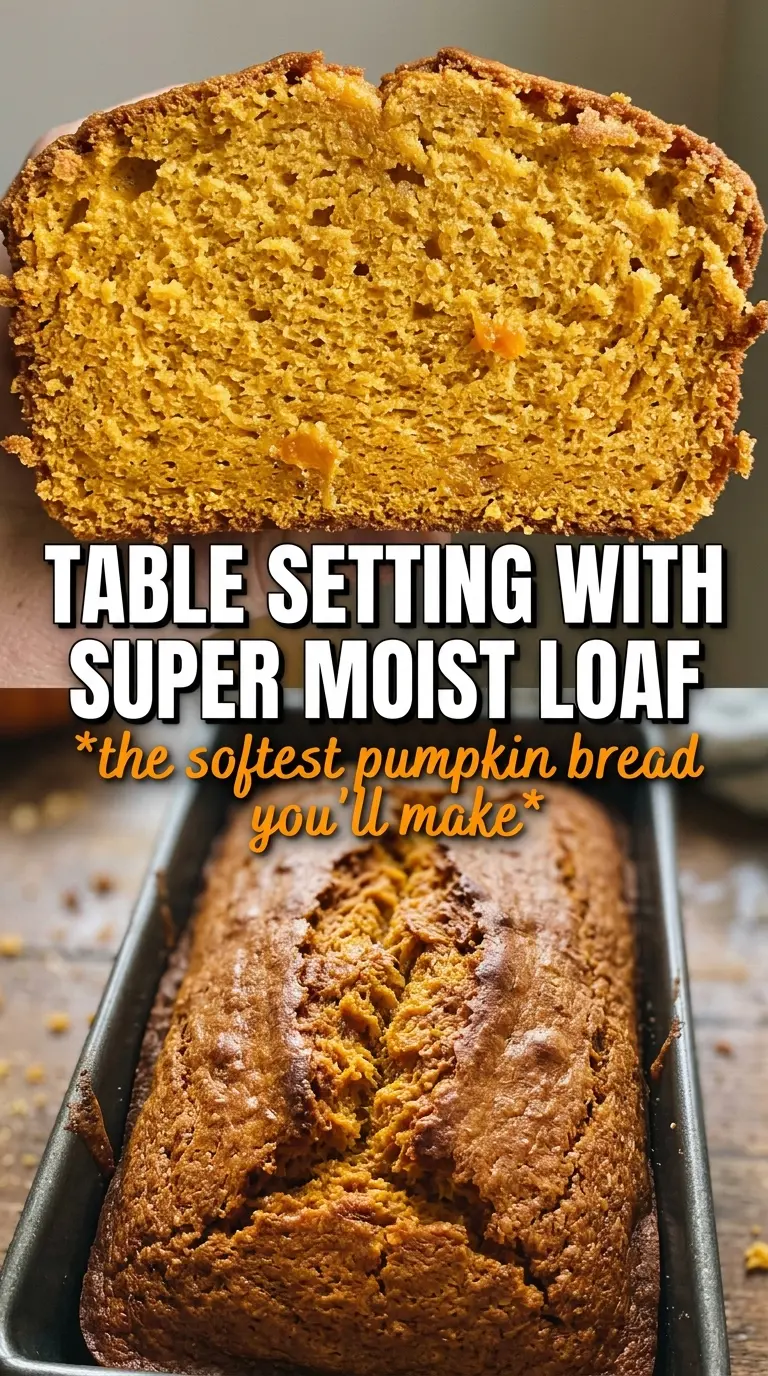
- All-purpose flour — Keeps the loaf sturdy enough to slice cleanly. Spoon and level it so you don’t pack in too much, or the bread will bake up dry.
- Baking soda — Gives the batter lift and helps it rise against the weight of the pumpkin. If yours is old, the loaf can stay flat and heavy.
- Pumpkin pie spice and cinnamon — These bring warmth without overpowering the vanilla pudding. Cinnamon alone works, but the pie spice makes the flavor rounder.
- Brown sugar and granulated sugar — Brown sugar adds a little molasses depth and helps with moisture, while granulated sugar keeps the crumb clean and balanced.
- Eggs — They hold everything together and help the loaf set in the center. Room-temperature eggs blend more smoothly, which keeps the batter from looking curdled when you whisk it.
- Powdered sugar glaze — This is optional, but it finishes the loaf with a little sweetness and keeps the top from feeling bare. Add the milk slowly so it drizzles instead of running off completely.
How to Keep the Center Tender Without Overmixing
Whisk the wet ingredients until the pumpkin disappears
Start by whisking the pumpkin puree, both sugars, oil, eggs, vanilla, and sour cream until the mixture looks smooth and even. You want the sugar mostly dissolved and the pumpkin fully broken up so the batter bakes evenly. If you still see streaks of sour cream or pockets of oil, keep whisking for another 20 to 30 seconds before adding the flour.
Fold the dry ingredients just until the flour disappears
Add the flour mixture in one go and fold with a spatula, stopping as soon as no dry streaks remain. A few small lumps are fine; overmixing is what turns quick bread tough and tight. The batter should be thick and scoopable, not pourable like cake batter.
Bake until the middle springs back
Scrape the batter into a greased 9×5 loaf pan and bake at 350F until a toothpick comes out clean from the center, usually 60 to 65 minutes. If the top is browning too quickly, tent it loosely with foil for the last 15 minutes. Don’t pull it early just because the edges look done — the center needs that extra time to set without collapsing.
Cool before glazing
Let the loaf cool completely before you drizzle on the glaze. If you glaze it while it’s warm, the sugar melts into the crust instead of sitting on top in that clean, pretty finish. A cooled loaf also slices better, which matters with a bread this soft.
How to Adapt This Loaf When You Need a Different Finish
Skip the glaze for a less sweet breakfast loaf
Leave off the powdered sugar glaze and the bread leans more breakfast than dessert. The loaf is still moist and flavorful on its own, and this is the best route if you want to toast slices later with butter.
Make it dairy-free
Use a dairy-free instant vanilla pudding mix and replace the sour cream with a thick dairy-free yogurt. The loaf still bakes up tender, though the flavor will be a little less rich than the original.
Bake it as muffins instead of a loaf
Divide the batter among lined muffin cups and bake until the tops spring back and a tester comes out clean, usually around 18 to 22 minutes. Muffins give you more edges and a faster bake, but you’ll lose the thick, sliceable loaf texture that makes this recipe stand out.
Storage and Reheating
- Refrigerator: Store tightly wrapped for up to 5 days. The crumb stays moist, and the flavor deepens a little by day two.
- Freezer: This loaf freezes well. Wrap slices or the whole cooled loaf in plastic, then foil, and freeze for up to 3 months.
- Reheating: Thaw at room temperature, then warm individual slices briefly in the microwave or toaster oven. Don’t overheat it or the crumb can turn dry at the edges before the center is warm.