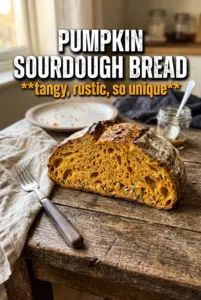
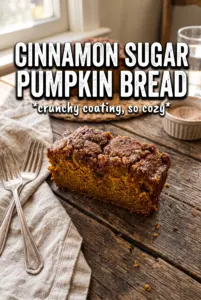
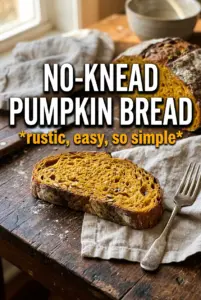
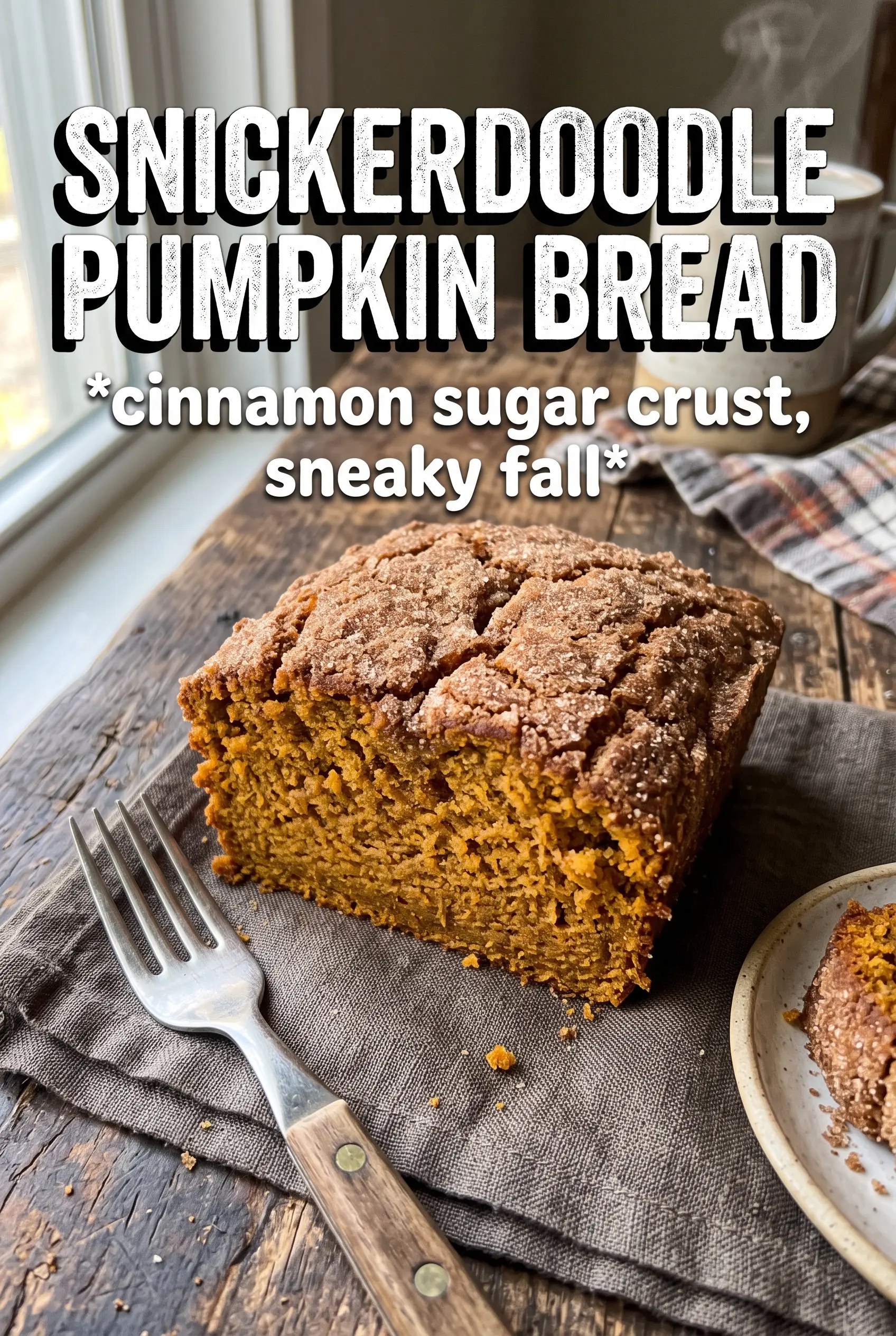
Snickerdoodle pumpkin bread bakes into a soft, plush loaf with a crackly cinnamon-sugar shell that tastes like the best part of a snickerdoodle cookie wrapped around tender pumpkin bread. The outside gets a little caramelized and crisp, while the center stays moist and warmly spiced. It slices cleanly once cooled, but the real magic is that first warm piece when the sugar coating is still a little crunchy.
The trick is building that snickerdoodle crust in layers. A buttered loaf pan gets a coating of cinnamon sugar before the batter goes in, then more sugar goes on top, and the finished loaf gets brushed and rolled again while it’s still warm. Cream of tartar shows up in both the bread and the coating, which gives this loaf that classic tangy snickerdoodle bite instead of just cinnamon pumpkin bread that happens to be sweet.
Below, I’ve included the small details that keep the texture right, plus a few swaps and storage notes so the loaf stays soft instead of turning dense or dry.
The cinnamon sugar crust turned out crisp on the outside but the loaf stayed unbelievably soft inside. I sliced it after it cooled just a bit and the pumpkin flavor came through without tasting heavy.
Save this snickerdoodle pumpkin bread for the loaf with the cinnamon sugar crust that stays crisp after baking.
The Cinnamon Sugar Shell That Keeps This Loaf From Going Flat
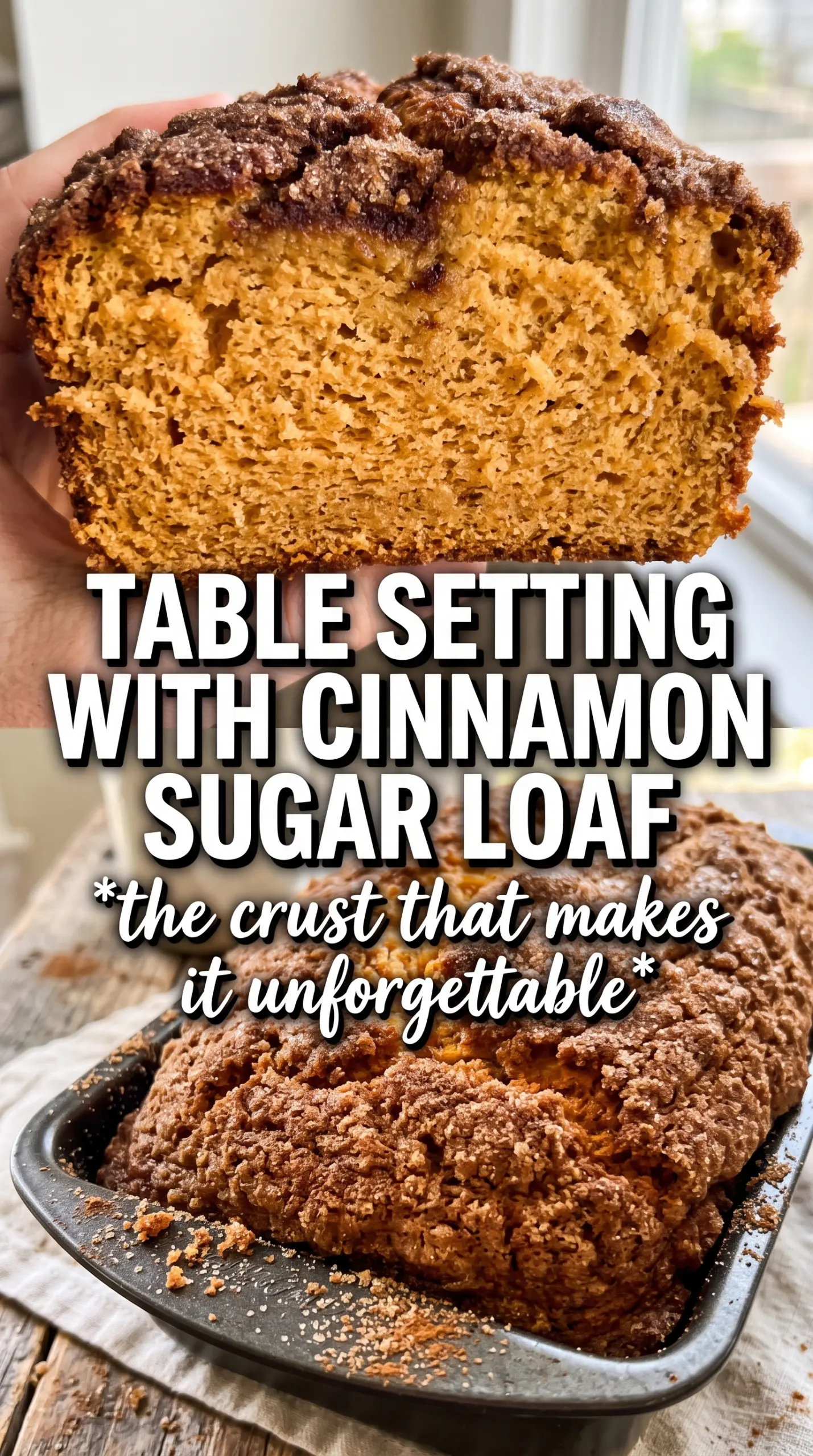
The biggest difference between a good pumpkin loaf and one worth making again is the crust. Without the double coating of cinnamon sugar, this turns into a soft loaf with a nice flavor, but not that snickerdoodle snap on the outside. Brushing the pan with butter first gives the sugar something to cling to, and the second coating on top caramelizes just enough in the oven to form a thin shell.
Another thing that matters here is the balance of acids. Cream of tartar in the bread and coating gives the loaf that familiar tang and helps the sugar crust taste like an actual snickerdoodle, not just cinnamon-dusted pumpkin bread. If the loaf bakes up dense, it’s usually from overmixing after the dry ingredients go in, not from the pumpkin itself.
- Pumpkin puree — Use plain canned pumpkin, not pumpkin pie filling. Pie filling is already sweetened and spiced, which throws off both the texture and the sugar crust.
- Cream of tartar — This is the ingredient that makes the snickerdoodle part taste right. If you skip it, the loaf still works, but the coating loses that gentle tang and the crumb tastes flatter.
- Sour cream — This keeps the loaf tender and gives you a softer slice the next day. Plain Greek yogurt works in the same amount if that’s what you have.
- Butter for the pan and coating — Melted butter does more than add flavor; it helps the sugar stick and crisp. Oil won’t give you the same crust.
What Each Ingredient Is Actually Doing in This Recipe
- Primary ingredient (the star) — Quality matters most. Choose the best you can find.
- Cooking medium (oil, butter, or broth) — This carries flavors and prevents dryness.
- Seasonings (salt, pepper, spices, herbs) — Layer flavors so nothing overpowers. Build depth gradually.
- Aromatics (garlic, onion, herbs) — Cook with fat to bloom flavors. Become the foundation.
- Supporting ingredients — Complement the main ingredient without overpowering it.
- Sauce or liquid (if applicable) — Brings flavors together. Balance richness with acid.
- Acid (lemon, vinegar, wine, or other) — Brightens and prevents flat-tasting results.
- Final finish (garnish, glaze, or sauce) — Prevents one-dimensional taste and adds visual appeal.
Building the Batter and Coating So the Crust Actually Stays Crisp
Start with the Pan, Not the Batter
Grease the loaf pan well, then brush the inside with melted butter and coat it with half the cinnamon sugar before the batter goes in. That layer does two jobs: it flavors the edges and helps create that thin, crackly crust when the loaf releases from the pan. If you skip the butter brush and just dump sugar into a dry pan, the coating won’t cling evenly and you’ll lose the finished snickerdoodle look.
Mix the Wet Ingredients Until Smooth
Whisk the pumpkin, sugars, oil, eggs, vanilla, and sour cream until the mixture looks glossy and fully blended. That smooth base helps the loaf bake evenly and keeps you from overworking the batter later. Once the dry ingredients go in, switch to folding and stop as soon as the flour disappears.
Fold, Don’t Beat
Add the dry ingredients to the wet mixture and fold just until combined. A few streaks of flour are better than a tough loaf, because the batter finishes mixing in the oven. If you beat it like cake batter, the crumb tightens up and you lose that soft snickerdoodle texture.
Finish with the Last Sugar Layer
Pour the batter into the coated pan, then sprinkle the remaining cinnamon sugar over the top before baking. The sugar should sit in a visible layer, not disappear into the batter. After baking, let the loaf cool only until it’s manageable, then remove it from the pan while it’s still slightly warm and brush the outside with melted butter before rolling it in extra cinnamon sugar. That final step is what gives you the bold crust on all sides.
How to Adapt This Loaf When You’re Missing One Key Ingredient
Dairy-Free Version
Use dairy-free butter for the coating and swap the sour cream for plain unsweetened dairy-free yogurt. The loaf stays soft, but the top crust may brown a touch faster, so start checking it near the end of the bake time.
No Cream of Tartar
You can still bake the loaf without it, but the flavor moves closer to standard pumpkin bread than a true snickerdoodle loaf. If you want a closer match, replace the cream of tartar in the bread with the same amount of lemon juice stirred into the wet ingredients and keep the coating as written.
Gluten-Free Swap
A good 1:1 gluten-free baking blend works here, but don’t use one with a gritty texture. The loaf will be a little more delicate when slicing, so let it cool completely before cutting if you want clean pieces.
Muffin-Style Bake
This batter can be baked in a muffin tin for about 18 to 22 minutes. You’ll lose some of the dramatic cinnamon sugar shell, but you get more edge pieces and an easier grab-and-go breakfast.
Storage and Reheating
- Refrigerator: Store tightly wrapped for up to 4 days. The cinnamon sugar coating softens a little, but the loaf stays moist.
- Freezer: Freeze slices or the whole loaf, wrapped well and then sealed in a freezer bag, for up to 2 months. Thaw at room temperature while still wrapped so the crust doesn’t get sticky.
- Reheating: Warm individual slices in a toaster oven or 300F oven for a few minutes. The mistake to avoid is microwaving too long, which turns the sugar coating tacky and makes the crumb feel gummy.
Questions I Get Asked About This Recipe
Snickerdoodle Pumpkin Bread
Ingredients
Equipment
Method
- Preheat oven to 350F, and grease a 9x5 loaf pan so the loaf releases cleanly.
- Brush the inside of the greased pan with melted butter, then coat with half the cinnamon sugar mixture so a thick crust forms on the bottom and sides.
- Set remaining cinnamon sugar aside for the top so it’s ready to sprinkle before baking.
- Whisk the bread dry ingredients until evenly combined, with no visible clumps of spices.
- Whisk the wet ingredients until smooth, creating a glossy pumpkin mixture ready to fold in.
- Fold wet into dry until just combined, leaving the batter slightly thick and avoiding overmixing.
- Pour batter into the cinnamon sugar coated pan, tapping once to level the surface.
- Sprinkle remaining cinnamon sugar over the top so it bakes into a caramelized crust.
- Bake at 350F for 60-65 minutes until the center is set and a tester comes out mostly clean.
- Cool for 15 minutes, letting the loaf firm up without fully chilling.
- Remove from the pan while still slightly warm, then brush the outside with melted butter for shine.
- Roll the loaf in extra cinnamon sugar so the exterior becomes a snickerdoodle-style coating.