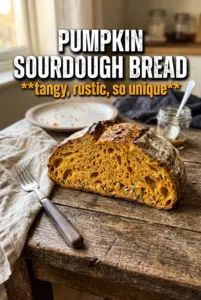
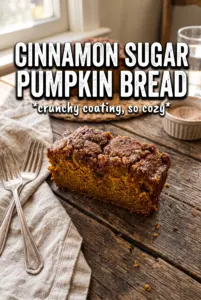
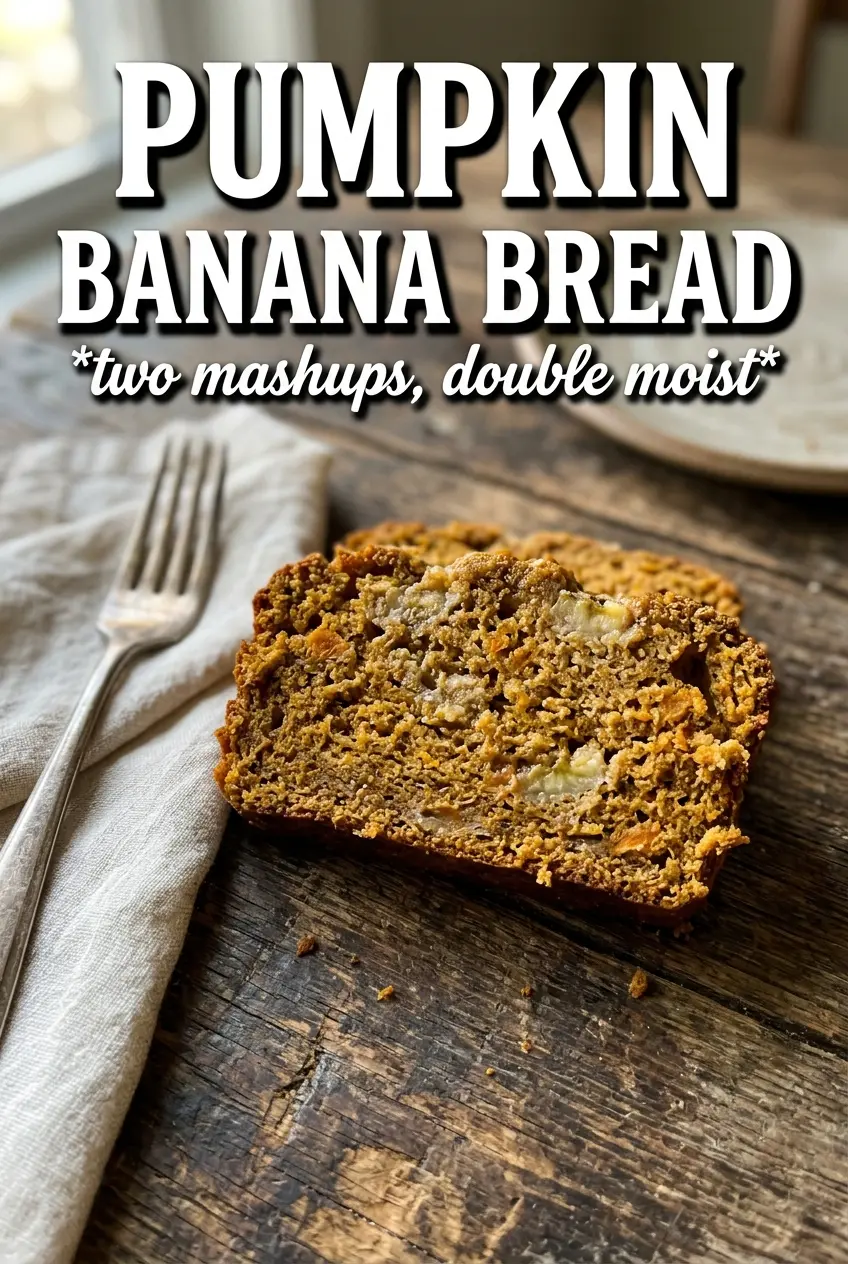
Pumpkin banana bread bakes up with a tender, moist crumb and that deep, mellow sweetness that makes a loaf disappear slice by slice. The pumpkin keeps it plush while the banana brings familiar bakery-style flavor, and the warm spice on top gives every bite a little extra depth. A thin maple glaze turns it from good to worth making again tomorrow.
What makes this version work is the balance. Pumpkin puree adds moisture without making the loaf heavy, but the bananas need to be mashed very smooth so they blend cleanly into the batter instead of leaving stringy pockets. The mix of white sugar and brown sugar keeps the crumb soft while still giving the loaf enough structure to rise properly, and the oil helps it stay tender for days.
Below, I’ve included the one texture cue that matters most in the batter, plus a few swaps that still keep the loaf moist and sliceable.
The loaf stayed incredibly moist for days, and the maple glaze set up with just enough sweetness to balance the pumpkin and banana. I loved how the crumb held together without feeling dense.
Love the soft pumpkin banana crumb and maple glaze finish? Save this loaf for the next time your bananas are extra ripe.
The Trick to Keeping Pumpkin and Banana from Turning Heavy
Most quick breads get dense when the wet ingredients are overworked or the batter starts out too loose. Pumpkin and banana both bring a lot of moisture, so the batter needs to be mixed just until the flour disappears. Once you see a few streaks of flour left, stop and switch to folding. That’s what keeps the loaf tender instead of gummy.
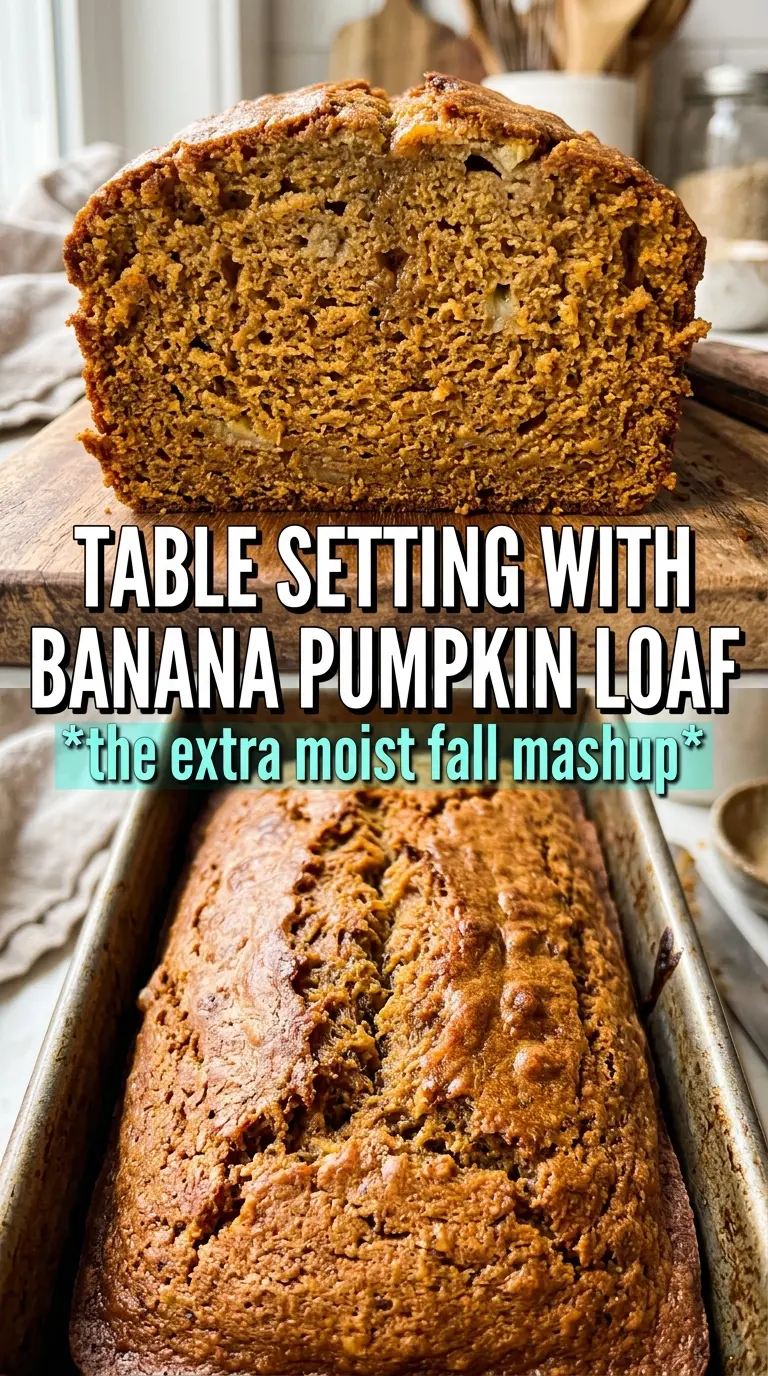
Another thing that matters here is the banana texture. Very ripe bananas should be mashed until almost smooth, because big chunks can leave wet pockets that bake unevenly. The loaf also rises better when the baking soda and baking powder are both present; pumpkin puree is thicker than banana alone, and the two leaveners help it lift without collapsing in the center.
- Pumpkin puree — Use plain pumpkin puree, not pumpkin pie filling. The filling is already sweetened and spiced, which throws off both texture and flavor.
- Very ripe bananas — Brown-flecked bananas give the best sweetness and softness. If they’re still firm, the bread will taste flatter and the crumb won’t be as moist.
- Vegetable oil — Oil keeps the loaf soft for days. Melted butter can work, but it won’t stay as plush as long.
- Maple syrup in the glaze — Real maple syrup gives the glaze a warm finish that fits the bread better than plain milk and sugar alone. If you want the glaze thicker, add the milk drop by drop.
What Each Ingredient Is Actually Doing in This Recipe
- Primary ingredient (the star) — Quality matters most. Choose the best you can find.
- Cooking medium (oil, butter, or broth) — This carries flavors and prevents dryness.
- Seasonings (salt, pepper, spices, herbs) — Layer flavors so nothing overpowers. Build depth gradually.
- Aromatics (garlic, onion, herbs) — Cook with fat to bloom flavors. Become the foundation.
- Supporting ingredients — Complement the main ingredient without overpowering it.
- Sauce or liquid (if applicable) — Brings flavors together. Balance richness with acid.
- Acid (lemon, vinegar, wine, or other) — Brightens and prevents flat-tasting results.
- Final finish (garnish, glaze, or sauce) — Prevents one-dimensional taste and adds visual appeal.
Building the Batter Without Overmixing It
Mix the dry ingredients first
Whisk the flour, baking soda, baking powder, pumpkin pie spice, cinnamon, and salt in a separate bowl until the spices look evenly distributed. This keeps you from getting a bitter pocket of baking soda or a clump of cinnamon in the finished loaf. The dry mix should look uniform and lightly speckled.
Bring the wet ingredients together until smooth
Whisk the pumpkin, mashed bananas, sugars, oil, eggs, and vanilla until the mixture looks glossy and even. The sugar should mostly dissolve into the wet ingredients, and the bananas should disappear into the batter. If you still see large banana pieces here, they’ll stay visible after baking and can make the crumb uneven.
Fold, don’t beat
Add the dry ingredients to the wet and stir just until the flour is incorporated. A few small streaks are fine; they finish blending as you pour the batter into the pan. If you keep stirring once the flour is hydrated, the bread tightens up and loses that soft, bakery-style crumb.
Bake until the center sets
Scrape the batter into a greased 9×5 loaf pan and bake at 350°F for 60 to 65 minutes. The top should be deeply golden and split naturally down the center, and a toothpick inserted into the middle should come out clean or with just a few moist crumbs. If the top browns before the center is done, lay a loose piece of foil over it for the last 10 to 15 minutes.
Finish with the glaze after cooling
Let the loaf cool completely before adding the maple glaze. If the bread is still warm, the glaze slides off and soaks into the crust instead of sitting on top. A cooled loaf gives you that neat drizzle and a clean slice.
How to Adapt This Loaf Without Losing the Moist Crumb
Dairy-Free and Already Almost There
The bread itself is dairy-free as written. For the glaze, use any unsweetened plant milk in place of the milk and keep the maple syrup the same. The finish stays smooth and glossy, just a little lighter in flavor.
Make It More Banana-Forward
Use a third banana if you want the loaf to lean sweeter and more banana-heavy. If you do that, reduce the pumpkin slightly or expect a softer, more pudding-like crumb. The flavor gets deeper, but the loaf also needs the full bake time to set in the center.
Gluten-Free Version
Swap the all-purpose flour for a 1:1 gluten-free baking blend that includes xanthan gum. The loaf will still be tender, but it may need a few extra minutes in the oven and should cool completely before slicing so it doesn’t crumble.
Skip the Glaze for a Less-Sweet Breakfast Loaf
Leave off the glaze and the loaf turns into a simple breakfast bread that works well toasted with butter. You still get the pumpkin and banana flavor, just with a cleaner finish and less sugar on top.
Storage and Reheating
- Refrigerator: Store covered for up to 5 days. The crumb stays moist, though the glaze softens a bit after the first day.
- Freezer: Freeze the loaf, whole or sliced, tightly wrapped for up to 2 months. For the best texture, freeze without glaze and add it after thawing.
- Reheating: Warm slices in the toaster oven or microwave just until heated through. If you overheat it, the bread turns rubbery and the glaze can melt away completely.
Answers to the Questions Worth Asking
Pumpkin Banana Bread
Ingredients
Equipment
Method
- Preheat the oven to 350F, then grease a 9x5 loaf pan. Set it aside so the pan is ready for batter.
- Mash the very ripe bananas until very smooth. Aim for a puree-like texture so the loaf stays evenly moist.
- Whisk together all-purpose flour, baking soda, baking powder, pumpkin pie spice, cinnamon, and salt until evenly combined. Break up any spice clumps for a uniform crumb.
- Whisk pumpkin puree, mashed bananas, granulated sugar, brown sugar, vegetable oil, eggs, and vanilla extract until smooth. Continue until no streaks of egg or sugar remain.
- Fold the dry mixture into the wet mixture until just combined, then pour the batter into the greased loaf pan. Stop mixing as soon as flour disappears to keep the crumb tender.
- Bake at 350F for 60-65 minutes, until a toothpick comes out clean. Look for a deep golden top and a loaf that springs back lightly when touched.
- Cool completely before glazing. This helps the glaze set without soaking in.
- Whisk powdered sugar with 2-3 tablespoons maple syrup and milk until smooth and pourable. Drizzle over the cooled loaf for a lightly sweet finish.