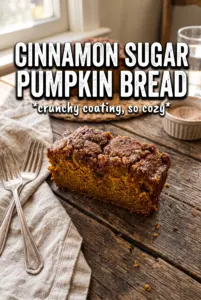
Pumpkin brioche bread bakes up with a feather-soft crumb, a deep golden crust, and just enough spice to make each slice taste like breakfast should linger a little longer. The pumpkin keeps the loaf tender and gives it that warm autumn color, but the real magic is the brioche dough: rich with butter, eggs, and milk, yet still light enough to tear apart in soft layers.
This version works because the butter goes in gradually after the dough has already come together. That step matters. If you dump the butter in at the beginning, the dough fights you and never builds the structure it needs. The pumpkin puree also gets mixed in at room temperature, which helps the dough stay smooth instead of clumpy and lets the yeast do its job without a cold shock.
Below, I’ve laid out the part that makes this loaf hold its shape instead of collapsing into a sticky mess, plus the one overnight option that gives you the easiest sliceable loaf the next day.
The dough was silky and rose beautifully overnight. The loaf baked up with the softest crumb, and the pumpkin spice flavor came through without being too strong.
Save this pumpkin brioche bread for the kind of morning that deserves a soft, buttery slice with a golden crust.
The Butter Goes In Slowly for a Reason
Pumpkin brioche can look finished long before it’s actually ready. The dough starts out shaggy, then turns smooth once the eggs and pumpkin are fully absorbed. The real test comes after that: the butter has to disappear one piece at a time, or the dough stays greasy and weak instead of elastic and satiny. If it looks broken halfway through, keep mixing. Brioche often looks messy before it comes together.
The other thing that trips people up is adding too much flour when the dough feels soft. Don’t. This dough is supposed to be tacky and supple. As long as it pulls from the sides of the bowl and stretches without tearing immediately, you’re on track. That softness is what gives the finished loaf its pillowy crumb.
What Each Ingredient Is Actually Doing in This Loaf
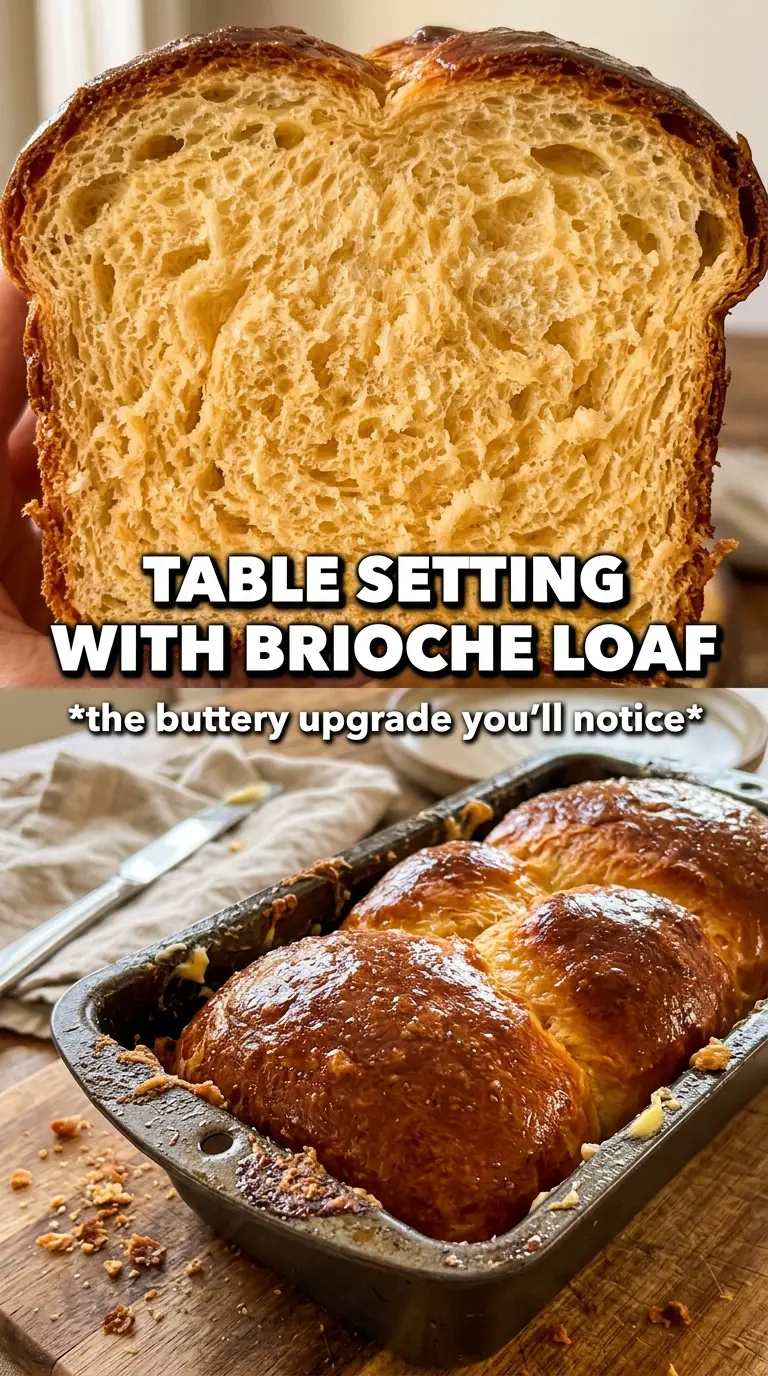
- Bread flour — The higher protein gives the dough enough strength to hold all that butter and pumpkin without collapsing. All-purpose flour will work in a pinch, but the loaf will be a little less chewy and a little less lofty.
- Pumpkin puree — This brings moisture, color, and a subtle earthy sweetness. Use plain pumpkin puree, not pumpkin pie filling, or you’ll throw off the texture and seasoning.
- Eggs — They enrich the dough and help it rise into a tender, even crumb. Room-temperature eggs blend faster and keep the dough smoother.
- Butter — This is what makes the bread taste like brioche instead of pumpkin sandwich bread. Add it gradually and let each piece disappear before the next one goes in, or the dough won’t emulsify properly.
- Instant yeast — It gives you a dependable rise without needing to proof it first. If you only have active dry yeast, dissolve it in the warm milk first and give the dough a little extra rise time.
Building the Dough So It Stays Soft, Not Sticky
Mixing the Base
Start by whisking the dry ingredients together in the mixer bowl so the yeast and spices are evenly distributed. Add the pumpkin, eggs, and warm milk, then mix until the dough turns smooth and cohesive. It should look soft and a little messy at first, then it will start to cling to the hook and clear the sides of the bowl. If the milk is hot, it can slow the yeast; if it’s cold, the dough takes longer to come together.
Working in the Butter
Once the dough is formed, add the softened butter one tablespoon at a time. Wait until each piece disappears before adding the next. This is where brioche earns its reputation for being fussy, but patience pays off: the dough turns glossy, stretchy, and almost silky when it’s ready. If it stays greasy or looks like butter streaks are floating through it, keep mixing. That means the emulsion hasn’t formed yet.
Letting the Dough Rise and Shape
The first rise should leave the dough doubled and puffy, not just slightly expanded. After that, you can refrigerate it overnight for easier shaping or form it right away and let it rise in the pan. If you chill it, bring it to room temperature just enough to shape without cracking. In the loaf pan, the second rise is done when the dough crowns just over the rim and springs back slowly when nudged.
Baking to a Deep Golden Finish
Brush the top with egg wash for a shiny, burnished crust, then bake until deeply golden and set through the center. The loaf should sound hollow when tapped and feel light for its size. If the top browns too quickly, tent it loosely with foil so the center can finish without scorching the crust. Let it cool completely before slicing or the crumb will compress and look gummy.
How to Adapt This for Different Mornings and Different Pantries
Overnight Rise for the Best Slice
Shape the loaf, cover it well, and refrigerate it overnight before the final rise. The cold rest gives the dough better flavor and makes the butter easier to handle, which means cleaner slices the next day. Just let it warm enough in the pan to become puffy before baking.
Dairy-Free Version
Swap the butter for a high-quality plant butter that’s designed for baking and replace the milk with an unsweetened non-dairy milk. The loaf will still be soft and rich, but it won’t have quite the same classic brioche flavor, so don’t skip the pumpkin pie spice and cinnamon.
If You Only Have All-Purpose Flour
All-purpose flour will work, but the dough may be slightly softer and less structured. Hold back a spoonful or two of liquid only if the dough looks unmanageably loose after mixing. Don’t add extra flour too early, or you’ll end up with a dense loaf instead of a plush one.
Storage and Reheating
- Refrigerator: Store sliced or unsliced bread for up to 4 days wrapped tightly. The crumb stays soft, though the crust will lose a little of its fresh-baked crackle.
- Freezer: This loaf freezes well. Wrap it tightly in plastic and foil, then freeze whole or sliced for up to 2 months.
- Reheating: Warm slices in a toaster or a low oven until just heated through. If you reheat it too aggressively, the butter in the crumb can melt out and the bread will feel dry instead of tender.
Answers to the Questions Worth Asking
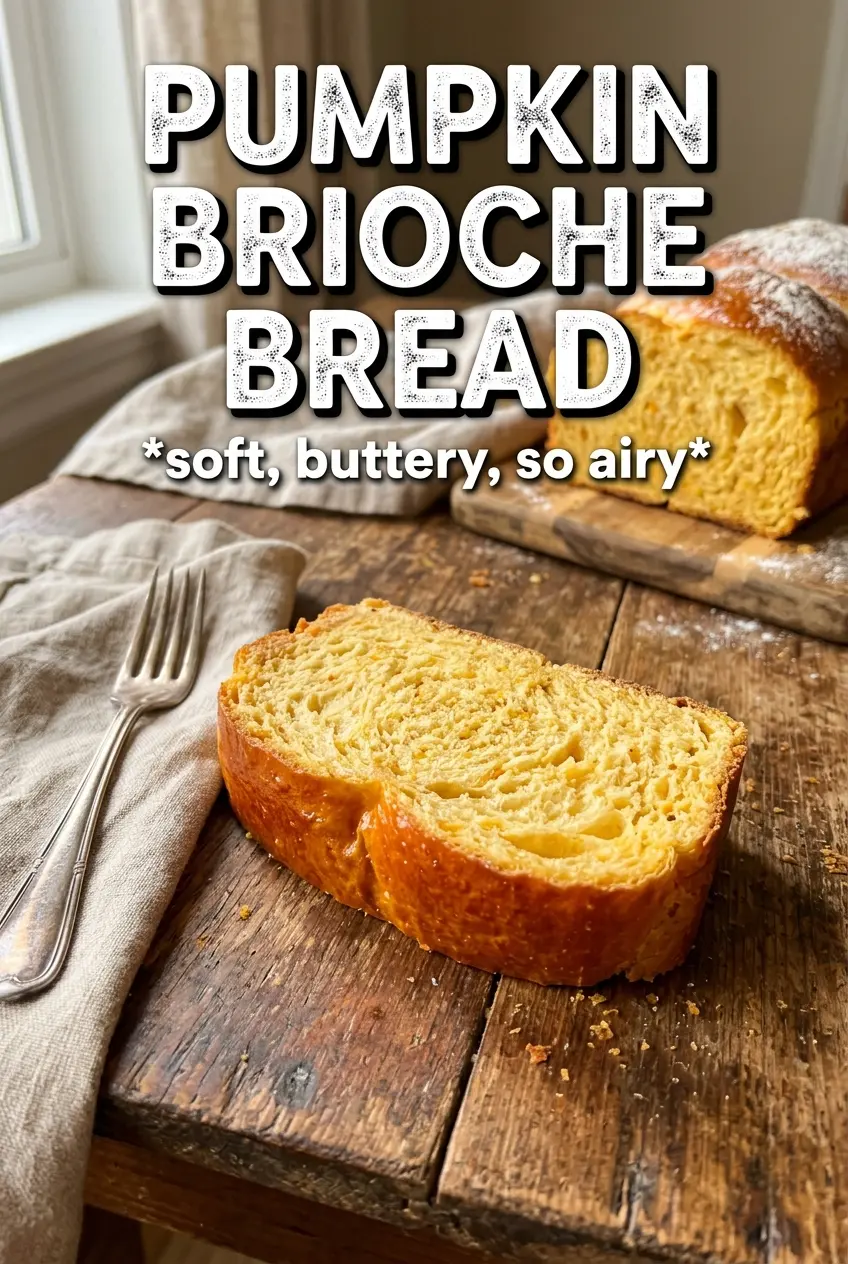
Pumpkin Brioche Bread
Ingredients
Equipment
Method
- Whisk bread flour, granulated sugar, instant yeast, pumpkin pie spice, cinnamon, and salt in a stand mixer fitted with a dough hook until evenly combined.
- Add pumpkin puree, eggs, and warm milk, then mix on medium until a smooth dough forms, about 5 minutes, until it looks glossy and cohesive.
- Add softened butter 1 tablespoon at a time, mixing until each addition is fully incorporated before adding the next, for 10–15 minutes until the dough is very soft and silky.
- Let the dough rise at warm room temperature for 1.5 hours until doubled in size and visibly puffy.
- Refrigerate overnight or shape immediately into a loaf by placing the dough in a greased 9x5 pan, then rise 1.5 hours until the dough reaches the top and feels airy.
- Brush the loaf with egg wash so the surface is evenly coated with a thin, glossy layer.
- Bake at 375°F for 30–35 minutes until deeply golden and the loaf sounds hollow when tapped.
- Cool completely on a rack until fully set, so slices stay clean and the crumb stays tender.