Creamy Parmesan Chicken Noodle Soup lands in that sweet spot between comforting and substantial. The broth turns silky and pale gold, the noodles stay tender without going mushy, and the parmesan gives the whole pot a savory depth that tastes like more work went into it than actually did. It’s the kind of soup that disappears fast because it eats like a full meal, not a starter.
The key is building the base in layers instead of dumping everything in at once. The butter, flour, and broth make a light velvety body, but the soup stays balanced because the cream goes in after the chicken has simmered and the heat drops to a gentle level. That keeps the dairy smooth and prevents the parmesan from turning grainy. Freshly grated parmesan matters here, too; pre-shredded cheese never melts as cleanly.
Below, I’ve included the little decisions that matter most — when to add the noodles, how to keep the spinach bright, and what to change if you need a gluten-free version without losing that creamy finish.
The broth turned silky without getting heavy, and the parmesan melted in so smoothly. I added the noodles right at the end like you said, and they stayed perfectly tender instead of blowing out.
Save this Creamy Parmesan Chicken Noodle Soup for the nights when you want a silky, noodle-packed dinner with a real parmesan finish.
The Creamy Broth Stays Smooth If You Respect the Heat
The mistake most people make with a soup like this is rushing the dairy. Heavy cream and parmesan both behave better when the broth is already hot but not boiling hard. A hard boil can make the cream separate and can turn the cheese grainy before it has a chance to melt into the soup.
The other thing that matters is the flour. Cooking it for a minute or two in the butter and vegetables takes away that raw, chalky taste and gives the soup enough body to coat the noodles. If the base looks thin at first, don’t panic. The noodles release a little starch as they cook, and the parmesan thickens the broth even more at the end.
- Low simmer, not a rolling boil — that gentle heat keeps the cream stable and the chicken tender.
- Fresh parmesan at the end — it melts into the broth instead of clumping or turning sandy.
- Noodles go in near the finish — they keep their bite and don’t soak up every drop of liquid before serving.
What Each Ingredient Is Actually Doing in This Soup
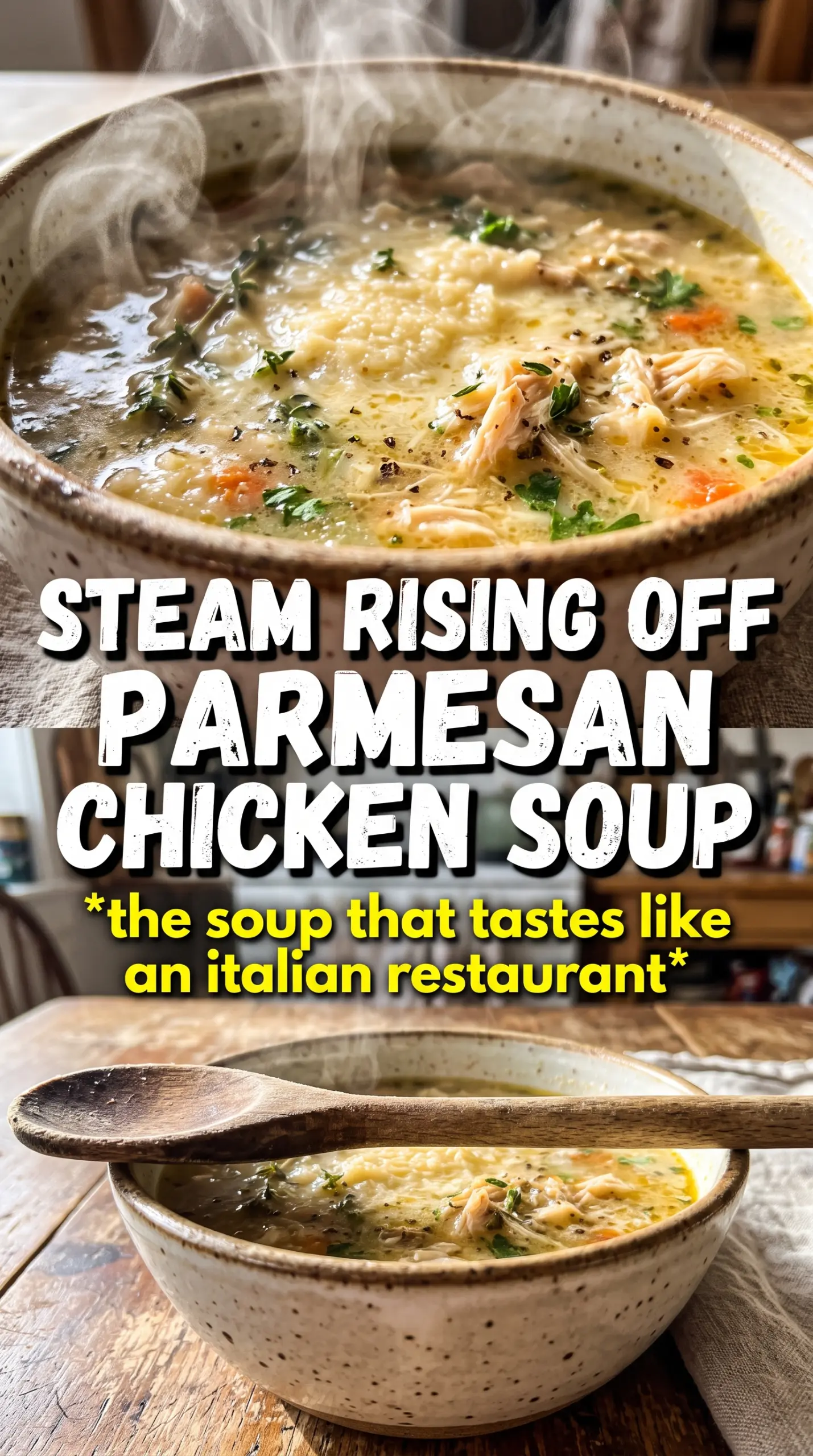
- Chicken breast — diced chicken cooks quickly and stays juicy in a soup like this. Thighs work too if you want a richer result, but breast gives you a cleaner, lighter texture. Cut it into even pieces so it cooks at the same rate.
- Heavy cream — this is what makes the broth velvety instead of just broth with dairy in it. Half-and-half will work in a pinch, but the soup will be thinner and a little less luxurious.
- Freshly grated parmesan — this is the ingredient that makes the broth taste deep and savory. Pre-grated cheese often has anti-caking agents that keep it from melting as smoothly, so grate it yourself if you can.
- Egg noodles — these are soft and sturdy enough to hold up in a creamy soup. If you swap in a different pasta, watch the cooking time closely because smaller shapes can go mushy fast.
- Butter and flour — together they create the light roux that gives the soup body. Don’t skip the short cooking time on the flour or the broth can taste raw and thin.
- Spinach — it adds color and a little freshness right at the end. Baby spinach is the easiest choice because it wilts quickly without needing extra chopping.
Building the Soup So the Dairy and Noodles Stay in Line
Softening the Vegetables First
Start with the butter, onion, carrots, and celery. You want the onions translucent and the carrots just beginning to soften, not browned. That first five minutes gives the soup its base sweetness and keeps the vegetables from tasting raw in the finished bowl. If the pot looks dry, the vegetables weren’t cut evenly or the heat is too high.
Making the Roux Without Browning It
Stir in the garlic, then whisk in the flour and cook it briefly until it no longer smells dusty. This isn’t the place for dark color; you’re building body, not a gravy. Once the flour is cooked, add the broth gradually while whisking so the base stays smooth. If you dump in all the liquid at once, little flour lumps can hide at the bottom and never fully break up.
Simmering the Chicken Before the Cream Goes In
Add the chicken and Italian seasoning, then let the soup simmer until the chicken is cooked through. The pieces should look opaque all the way to the center and feel firm, not rubbery. This is the best window to develop flavor because the chicken cooks in the seasoned broth instead of boiling separately and getting bland.
Finishing With Cream, Noodles, and Parmesan
Lower the heat before you pour in the cream. Once it’s in, bring the soup only to a gentle simmer and add the egg noodles. When the noodles are tender, pull the heat down again and stir in the parmesan a handful at a time so it melts cleanly. Finish with spinach, a pinch of nutmeg, and salt and pepper. If you season too early, the parmesan can push the salt level over the edge.
Three Ways to Adjust This Soup Without Losing the Creamy Finish
Gluten-Free Version
Swap the flour for a 1:1 gluten-free flour blend and use gluten-free pasta. The soup will still thicken, though the broth may settle a little faster as it sits, so give it a stir before serving. Cook the noodles just until tender because gluten-free pasta can break down quicker than egg noodles.
Lighter But Still Creamy
Use half-and-half instead of heavy cream if you want a lighter bowl. The broth won’t be quite as rich, and it’s a little more sensitive to heat, so keep the simmer gentle and don’t let it boil after the dairy goes in. The parmesan still gives plenty of body.
Dairy-Free Direction
Use olive oil instead of butter, a thick unsweetened dairy-free cream, and a plant-based parmesan-style cheese. The flavor shifts a little, especially in the finish, but the soup still works if you keep the broth well seasoned and finish with extra black pepper. This version needs tasting at the end because dairy-free substitutes vary a lot in saltiness.
Swap the Chicken for Turkey
Leftover turkey works beautifully here, especially after a holiday meal. Add it near the end just long enough to warm through so it doesn’t dry out. The broth will taste a little more savory and less neutral, which plays nicely with the parmesan.
Storage and Reheating
- Refrigerator: Store for up to 4 days. The noodles will keep soaking up broth, so expect the soup to thicken.
- Freezer: It freezes, but the cream and noodles can change texture after thawing. For the best result, freeze the soup before adding noodles and spinach, then cook those fresh when reheating.
- Reheating: Warm it slowly over low heat on the stove and add a splash of broth if needed. High heat can make the dairy separate and can turn the noodles soft and swollen.
Answers to the Questions Worth Asking
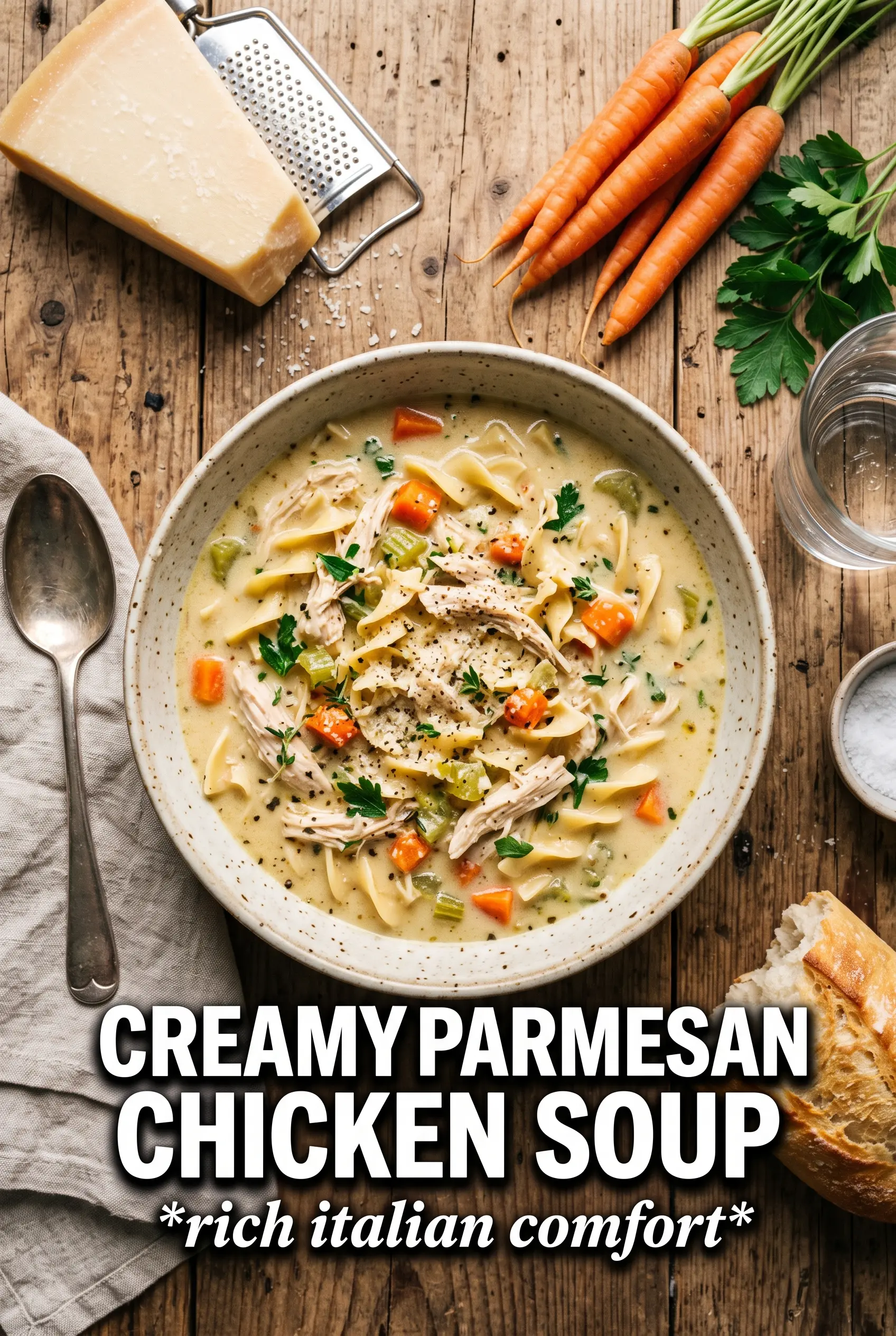
Creamy Parmesan Chicken Noodle Soup
Ingredients
Equipment
Method
- Melt the butter in a large pot and sauté the onion, carrots, and celery over medium heat for 5 minutes, stirring until softened and fragrant.
- Add the garlic and cook for 1 minute at the same heat, then whisk in the flour and cook for 1-2 minutes to remove the raw flour taste.
- Gradually pour in the chicken broth while whisking to keep the roux smooth, then add the diced chicken and Italian seasoning.
- Simmer for 15 minutes, stirring occasionally, until the chicken is cooked through and no longer pink in the center.
- Stir in the heavy cream and bring to a gentle simmer, then add the egg noodles.
- Cook at a gentle simmer for 6-8 minutes until the noodles are tender, stirring to prevent sticking.
- Reduce the heat to low, then stir in 1 cup of parmesan until fully melted and the broth turns silky.
- Add the baby spinach and cook for 2 minutes until wilted, then stir in the nutmeg.
- Season with salt and pepper to taste, then serve topped with the remaining parmesan.