Parmesan roasted Brussels sprouts come out with shattery browned edges, tender centers, and a lacy cheese crust that clings to the pan in the best way. The cut sides caramelize first, the leaves crisp up around the edges, and the lemon at the end keeps the whole pan from tasting heavy. This is the kind of side dish that disappears fast enough to make a double batch feel justified.
The trick is using high heat and giving the Brussels sprouts direct contact with the Parmesan. Once the cheese melts and starts to brown, it turns into a thin savory crust instead of a melted blanket. That’s what gives you the crunchy bottom and the roasted flavor in every bite. A little garlic goes in with the oil early so it perfumes the sprouts without burning.
Below, I’ve included the one pan habit that matters most, plus a few easy swaps if you need to work around what’s in the fridge. If you’ve ever had Brussels sprouts turn soft or steam instead of roast, this method fixes that.
The Parmesan formed that crispy crust underneath, and the sprouts stayed tender instead of soggy. I kept sneaking the dark little crunchy bits off the pan before dinner was even served.
Parmesan Roasted Brussels Sprouts with that crispy golden crust are worth saving for the nights you want one pan, big flavor, and almost no cleanup.
The Reason These Sprouts Crisp Instead of Steam
The difference between roasted Brussels sprouts and limp ones usually comes down to crowding and surface contact. If the pan is overloaded, the sprouts release steam and soften before the edges have a chance to brown. Here, the Parmesan goes directly on the pan, then the sprouts go cut-side down on top of it, which pulls moisture away from the bottoms and gives you that crisp, salty crust.
425F is hot enough to brown the cheese before the sprouts overcook. The cut side needs to stay in contact with the pan for most of the roast, and that’s where the caramelized flavor comes from. If you keep flipping them, you lose the crust that makes this dish worth making.
What the Parmesan and Lemon Are Doing Here
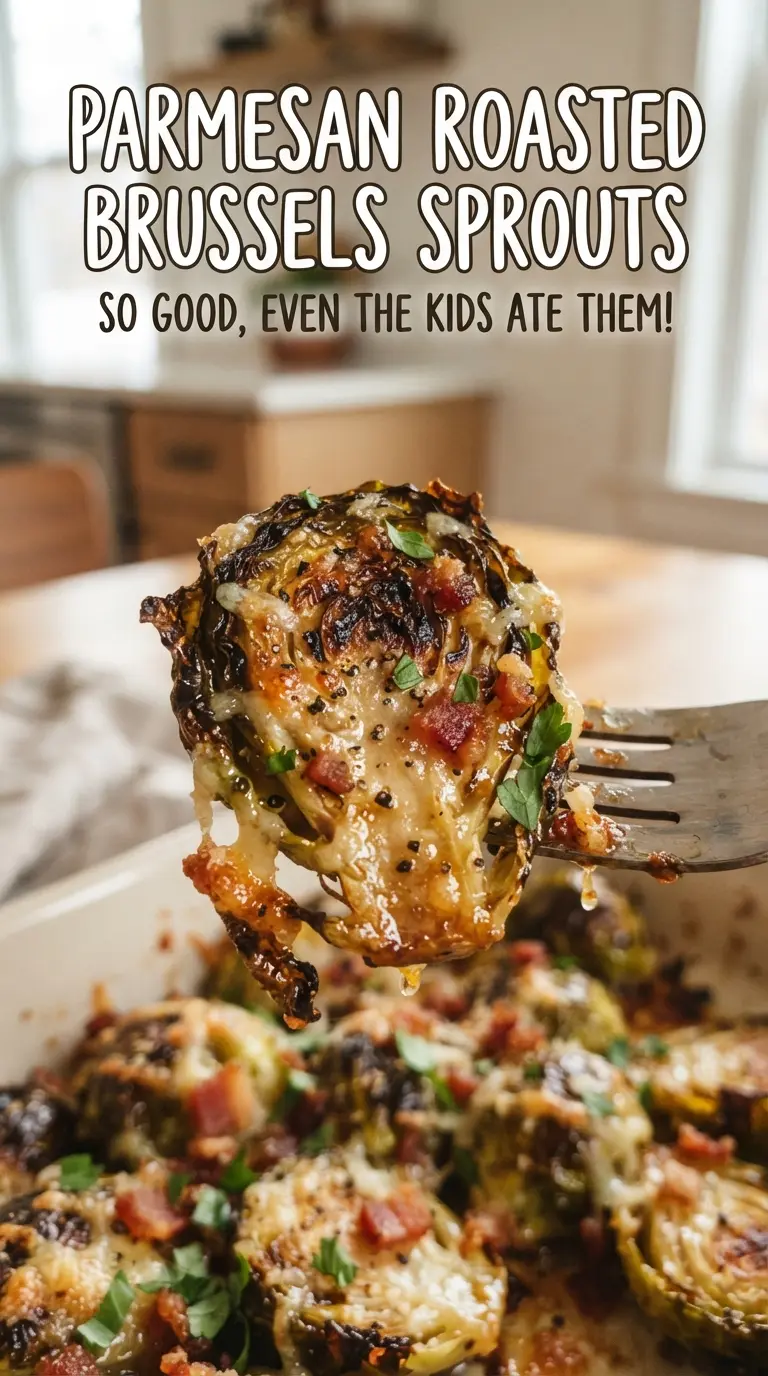
- Brussels sprouts — Halving them gives you a flat surface for browning and keeps the centers tender. Smaller sprouts roast a little faster; large ones should be cut evenly so they finish at the same time.
- Olive oil — This helps the sprouts roast instead of dry out and carries the garlic across the pan. You can use a neutral oil if needed, but olive oil adds a better savory finish.
- Parmesan — Grated Parmesan melts into a thin, lacy crust. Pre-grated cheese can work in a pinch, but a finer grate from a block usually browns more evenly and tastes cleaner.
- Lemon juice — The lemon goes on at the end so it stays bright and sharp. Add it too early and the acid gets lost; added right before serving, it wakes up the salt and cheese.
Building the Pan for Maximum Browning
Coating the Sprouts
Toss the halved sprouts with olive oil, garlic, salt, and pepper until every cut surface looks lightly slicked. Dry spots won’t brown evenly, and the garlic should cling to the oil instead of sitting in little clumps that can scorch. If your garlic pieces are too large, mince them finer so they don’t burn before the sprouts are tender.
Laying Down the Cheese Layer
Sprinkle the Parmesan evenly over the parchment-lined sheet pan, then place the sprouts cut-side down on top. The cheese should be underneath the flat side, not scattered randomly over the top, because that’s what creates the crust. Leave a little space between sprouts; if they’re packed tightly, the cheese melts into a puddle instead of a crisp lattice.
Roasting Until the Edges Char
Roast for 20 to 25 minutes until the sprouts are tender at the stem and the Parmesan is deeply golden. You want dark brown spots, not pale melted cheese, and the leaves around the pan should look crisp and lightly frizzled. If the cheese starts to darken too fast before the sprouts soften, move the pan one rack higher for the last few minutes and keep an eye on it.
Finishing With Lemon
Squeeze the lemon juice over the hot sprouts right before serving. That last hit of acid cuts through the salt and keeps the roasted flavor from feeling one-note. Serve them immediately while the crust is still crisp; once they sit too long, steam softens the underside.
How to Change This Dish Without Losing the Crunch
Dairy-Free Version
Skip the Parmesan and roast the sprouts on parchment with a little extra olive oil. You’ll lose the salty crust, but the sprouts will still caramelize well; finish with a pinch of flaky salt and a little lemon zest for brightness.
Using Frozen Brussels Sprouts
Frozen sprouts need to be thawed and patted very dry first, or they’ll steam the pan. They won’t get quite as crisp as fresh ones, but a hot oven and plenty of surface contact still give you decent browning.
Extra Savory With Balsamic
Drizzle a small amount of balsamic glaze over the finished sprouts if you want a sweeter, stickier finish. Add it after roasting, not before, because sugars can burn fast in a 425F oven.
Storage and Reheating
- Refrigerator: Store leftovers in an airtight container for up to 3 days. The crust softens in the fridge, but the flavor holds up.
- Freezer: These don’t freeze well. The sprouts turn watery after thawing and the Parmesan crust loses its texture.
- Reheating: Reheat on a sheet pan in a 400F oven until hot and the edges re-crisp. Skip the microwave if you want any texture at all, because it turns the sprouts soft and dulls the cheese.
Questions I Get Asked About This Recipe
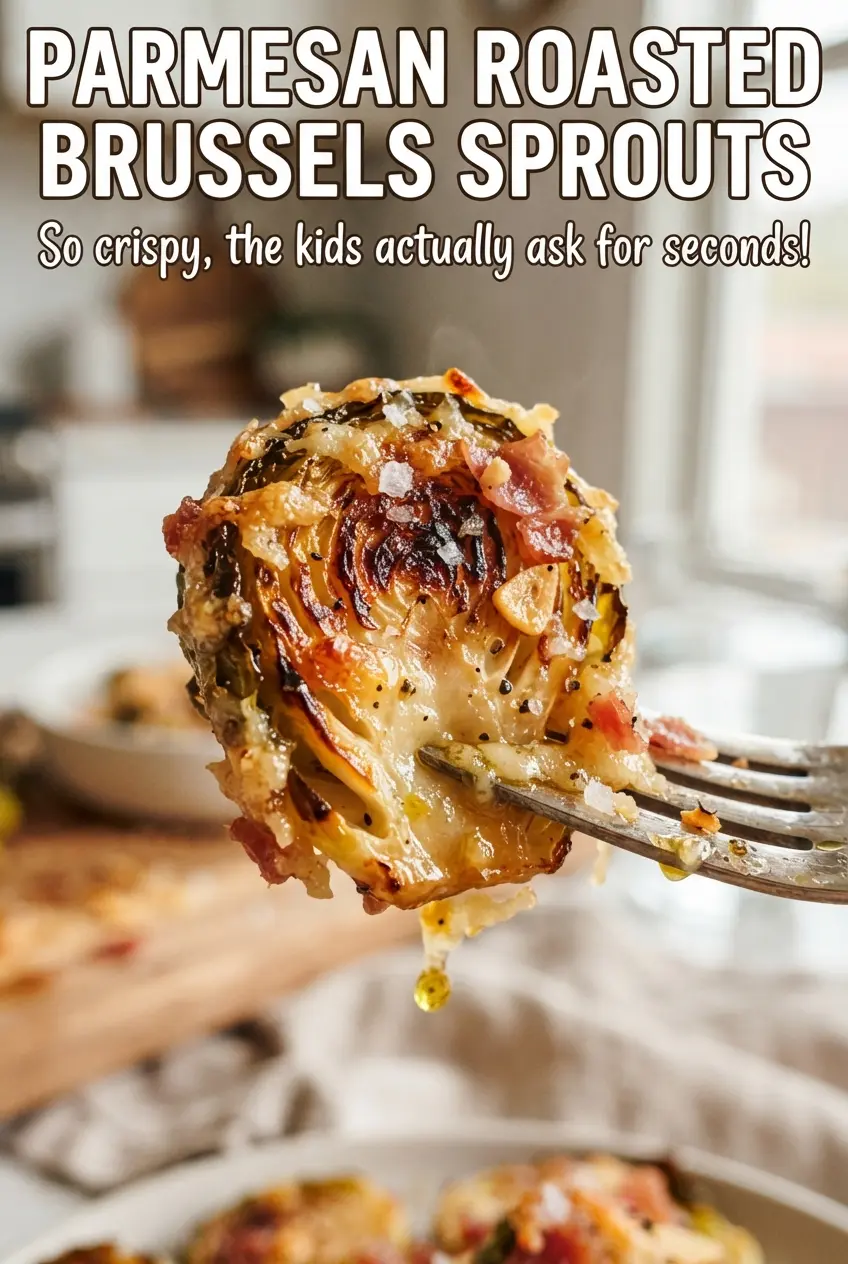
Parmesan Roasted Brussels Sprouts
Ingredients
Equipment
Method
- Preheat the oven to 425°F and line a sheet pan with parchment, so the sprouts roast without sticking.
- Toss the Brussels sprouts with olive oil, garlic, salt, and black pepper until evenly coated for flavor on every piece.
- Sprinkle the Parmesan evenly over the pan, then place the sprouts cut-side down on top of the cheese to encourage browning and a lacy crust.
- Roast for 20-25 minutes until the Brussels sprouts are tender and the Parmesan forms a golden crust with charred, crisp edges.
- Squeeze the lemon juice over the hot sprouts right before serving for bright flavor.