Southern fried cabbage earns its place at the table when the edges turn golden in the bacon fat and the cabbage goes tender without getting limp. The best bites have a little sweetness from the onion, a savory punch from the bacon, and just enough black pepper to keep the whole skillet lively. It’s the kind of side dish that disappears fast because it tastes bigger than the ingredient list looks.
This version works because each ingredient has a job. The bacon renders first, giving you fat for the onion and cabbage to cook in. A small amount of sugar nudges the cabbage toward caramelization instead of bitterness, and the splash of apple cider vinegar at the end wakes everything up so the dish doesn’t taste flat. The cabbage needs time in the pan, but not constant stirring; letting it sit for a minute here and there is what gives you those browned edges.
Below, I’ll walk through the little details that matter most, from keeping the bacon crisp to knowing exactly when the cabbage is tender enough to pull off the heat.
The cabbage turned tender with those caramelized edges I was hoping for, and the vinegar at the end kept it from tasting greasy. My husband went back for seconds before I even sat down.
Save this Southern Fried Cabbage for a skillet side with crispy bacon, sweet onion, and golden edges.
The Secret to Tender Cabbage With Real Caramelized Edges
The mistake most people make with fried cabbage is crowding the pan and rushing the heat. Cabbage gives off a lot of moisture, and if it sits in a wet pile, it steams itself pale and soft instead of picking up color. A wide skillet and enough time are what turn this from boiled cabbage with bacon into something worth repeating.
The other detail that matters is timing the vinegar. Add it at the end, after the cabbage has cooked down and the bacon has gone back in. If it goes in too early, the acid can cut the browning before it starts, and you lose the deep, savory finish that makes the dish taste cooked with intention.
- Bacon fat — This is the flavor base. It seasons the onion and cabbage from the start, and there isn’t a substitute that gives the same smoky depth. If you need a lighter version, you can reduce the bacon and add a little butter, but the dish will taste less rich.
- Green cabbage — Use a fresh, firm head with tight leaves. Older cabbage can get dull and watery. Chop it into pieces that are large enough to keep some texture after cooking; tiny shreds disappear fast and turn mushy.
- Apple cider vinegar — The little splash at the end brightens the whole skillet. White vinegar works in a pinch, but apple cider vinegar gives a softer tang that fits the bacon and onion better.
- Sugar — Just a teaspoon helps the edges brown and balances the bitterness that can show up as the cabbage cooks. Leave it out if you want, but the finished dish won’t have quite the same rounded flavor.
What Each Ingredient Is Actually Doing in This Recipe
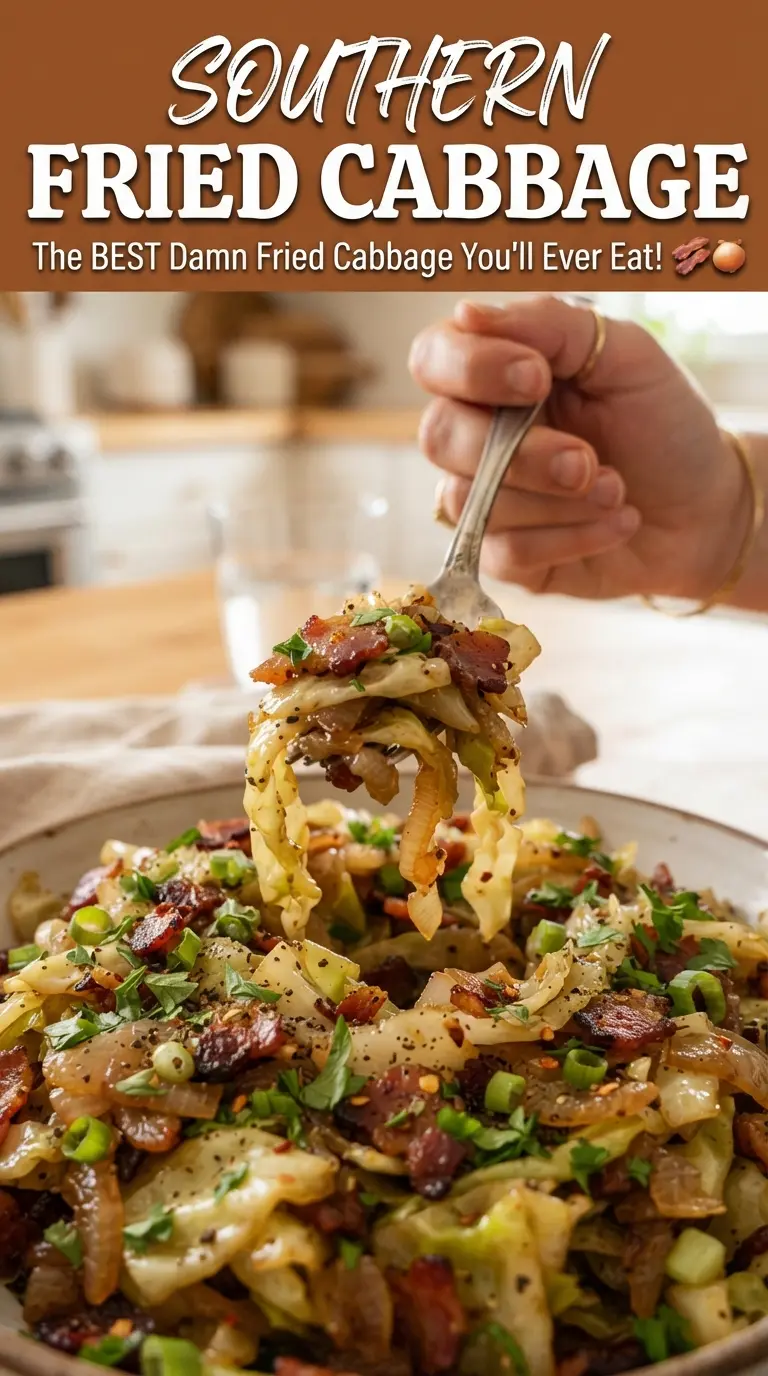
- Primary ingredient (the star) — Quality matters most. Choose the best you can find.
- Cooking medium (oil, butter, or broth) — This carries flavors and prevents dryness.
- Seasonings (salt, pepper, spices, herbs) — Layer flavors so nothing overpowers. Build depth gradually.
- Aromatics (garlic, onion, herbs) — Cook with fat to bloom flavors. Become the foundation.
- Supporting ingredients — Complement the main ingredient without overpowering it.
- Sauce or liquid (if applicable) — Brings flavors together. Balance richness with acid.
- Acid (lemon, vinegar, wine, or other) — Brightens and prevents flat-tasting results.
- Final finish (garnish, glaze, or sauce) — Prevents one-dimensional taste and adds visual appeal.
Building Flavor in the Skillet, One Layer at a Time
Rendering the Bacon
Start the bacon in a cold skillet and bring it up over medium heat so the fat has time to render before the meat burns. Cook until the pieces are crisp and the fat in the pan looks clear, not cloudy. If the bacon browns too fast, the drippings can taste bitter, and you’ll lose the clean savory base the cabbage needs. Lift the bacon out and leave the drippings in the pan.
Softening the Onion and Garlic
The sliced onion goes into the hot bacon fat first and should soften before it browns deeply. You want it translucent and a little sweet, not dark and sticky. Stir in the garlic for just 30 seconds; any longer and it can scorch in the hot fat, which gives the whole skillet a harsh edge. The garlic should smell fragrant, not sharp.
Cooking the Cabbage Until It Browns at the Edges
Add the cabbage, butter, salt, pepper, red pepper flakes, and sugar, then let the skillet do some of the work. Stir occasionally, but not constantly. That pause is what lets the cabbage sit against the hot pan and pick up color. You’re looking for tender leaves with browned edges and no raw crunch in the thick stems. If the pan looks dry before the cabbage is tender, a small knob of butter helps, but don’t add water or you’ll steam away the caramelization.
Finishing With Vinegar and Bacon
When the cabbage is soft and the edges look golden, stir in the apple cider vinegar and the reserved bacon. The vinegar should hit the hot pan and smell bright for a second, then settle into the fat and sweet onion. Taste at this point before adding anything else. If it tastes flat, it usually needs a pinch more salt or another tiny splash of vinegar, not more heat.
How to Adapt Southern Fried Cabbage Without Losing the Point
Make It a Main Dish With Sausage
Swap half or all of the bacon for sliced smoked sausage or kielbasa. Brown it first, then continue with the onion and cabbage in the rendered fat. The dish becomes heartier and more savory, with less crisp texture from the bacon but more of a full-meal feel.
Vegetarian Version That Still Tastes Built, Not Flat
Skip the bacon and start with 2 tablespoons of butter plus 1 tablespoon of olive oil. Add a pinch of smoked paprika if you want that deeper savory note the bacon usually provides. The result won’t taste the same, but it will still have browned cabbage, sweet onion, and a good tang at the end.
Lower-Carb and No-Sugar Option
Leave out the teaspoon of sugar if you want a more savory skillet. The cabbage will still brown, but the edges may be a little less glossy and caramelized. A slightly longer cook time and a wider pan help make up for it.
Storage and Reheating
- Refrigerator: Store leftovers in an airtight container for up to 4 days. The cabbage softens a little more as it sits, but the flavor holds up well.
- Freezer: It freezes, but the texture turns softer after thawing. If you do freeze it, cool it completely first and pack it in a sealed container for up to 2 months.
- Reheating: Warm it in a skillet over medium-low heat with a small splash of water or butter. The main mistake is blasting it in the microwave until it turns limp and watery; gentle heat brings it back without wrecking the texture.
Answers to the Questions Worth Asking
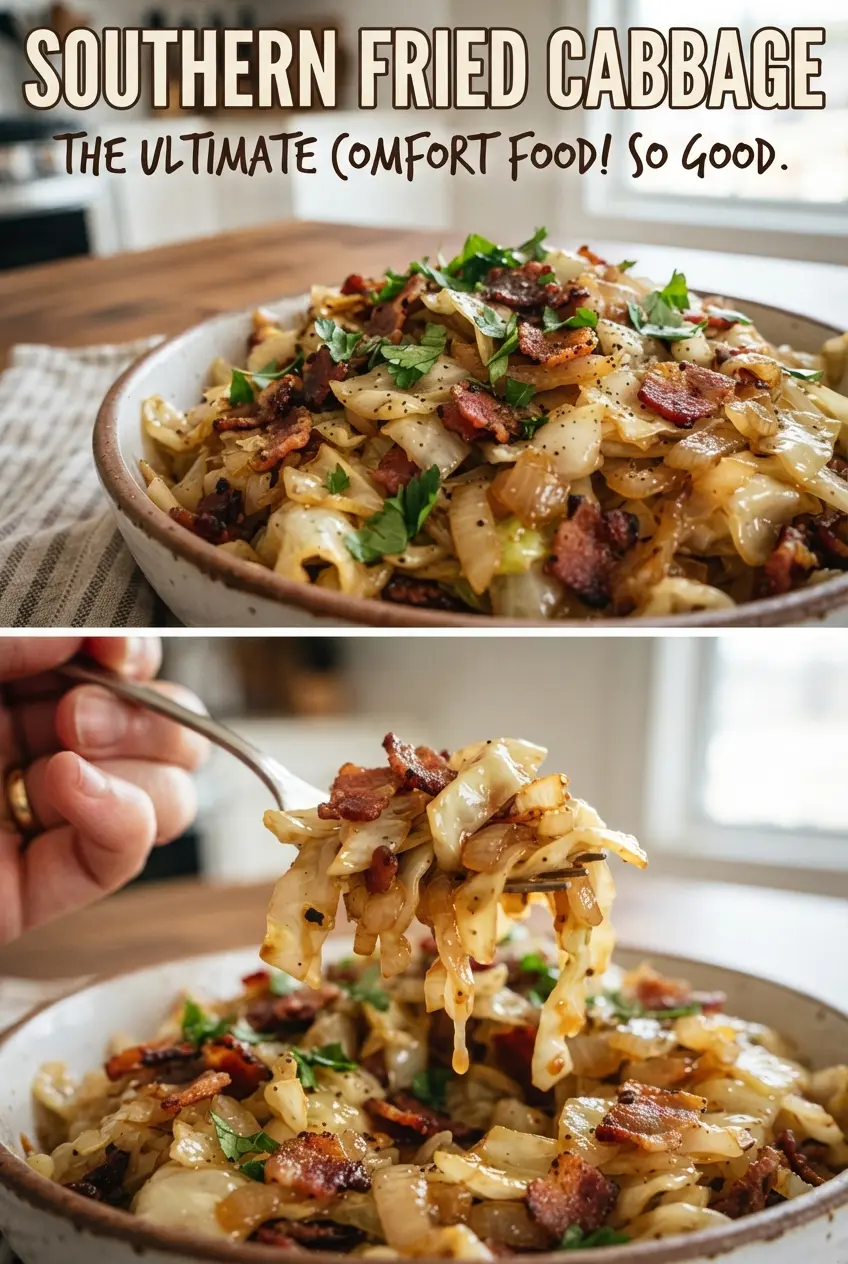
Southern Fried Cabbage
Ingredients
Equipment
Method
- Cook the chopped bacon in a large cast iron skillet over medium heat for 8 minutes, stirring as needed, until crisp and golden. Remove the bacon and leave the drippings in the skillet.
- Add the sliced onion to the bacon drippings and cook for 5 minutes over medium heat, stirring, until softened. Stir in the minced garlic and cook for 30 seconds.
- Add chopped cabbage, butter, salt, black pepper, red pepper flakes, and sugar to the skillet and stir to coat. Cook for 12–15 minutes over medium heat, stirring occasionally, until the cabbage is tender and caramelized at the edges.
- Stir in the apple cider vinegar and the crispy bacon. Serve the southern fried cabbage warm.