Glossy cranberry sauce that sets up in the jar is one of those pantry staples that earns its shelf space fast. The berries cook down into a bright, tart-sweet sauce with enough body to spoon cleanly over turkey, roast chicken, or a plain biscuit without running all over the plate. The orange juice rounds out the sharp edge of the cranberries, and the zest added at the end keeps the flavor fresh instead of cooked-down and dull.
This version works because the sugar, water, and orange juice are brought together first, so the cranberries cook in a syrup that helps them soften evenly before they split open. Bottled lemon juice matters here because it keeps the acidity where it needs to be for safe water-bath canning; fresh lemon juice can vary more than you want in a preserved recipe. The sauce also thickens as the berries burst, so you’re looking for a loose, glossy consistency in the pot, not a jammy slab.
Below, I’ve included the practical details that matter most: how to judge the simmer so the berries don’t scorch, what headspace actually looks like in a half-pint jar, and the small canning steps that make the difference between a proper seal and a lid that pops loose later.
The sauce thickened up beautifully and every jar sealed on the first try. I loved that the orange zest stayed bright after canning instead of tasting flat.
Canning cranberry sauce with orange and lemon is worth saving for the holidays and every roast dinner in between.
The Part That Keeps Cranberry Sauce Bright in the Jar
Most cranberry sauces get dull because they’re cooked too long or canned with not enough acidity. Here, the berries only need to simmer until they burst and the sauce turns glossy and slightly thick; if you keep boiling after that point, the flavor flattens and the texture starts to tighten up in an unhelpful way. The goal is a sauce that still looks a little loose in the pot because it will continue to thicken as it cools and then set again after processing.
The other thing that matters is jar temperature. Hot sauce into hot jars is not optional here. Cold jars hitting boiling sauce can crack, and a slow fill can leave you with lids that seal unevenly. Keep the jars in simmering water until the moment you’re ready to ladle, and work with one jar at a time so everything stays hot and cooperative.
- Cranberries — Fresh cranberries give the sauce its structure and pectin. Frozen cranberries work too, and you don’t need to thaw them first. Skip dried cranberries; they won’t soften and burst the way you need for this recipe.
- Orange juice and zest — The juice adds sweetness and a softer citrus note, while the zest brings the sharp, fragrant top note that makes the sauce taste lively after canning. Fresh-squeezed juice is nice, but bottled orange juice is fine here because it’s mostly serving as the liquid base.
- Bottled lemon juice — This is the ingredient that protects the recipe’s acidity for safe water-bath canning. Bottled matters because the acidity is standardized. Don’t swap in fresh lemon juice and guess at the amount.
- Sugar — It balances the cranberries and helps the finished sauce set with a glossy, spoonable texture. Cutting it too far changes both the flavor and the thickness, so keep the ratio as written if you want a dependable preserve.
What Each Ingredient Is Actually Doing in This Recipe
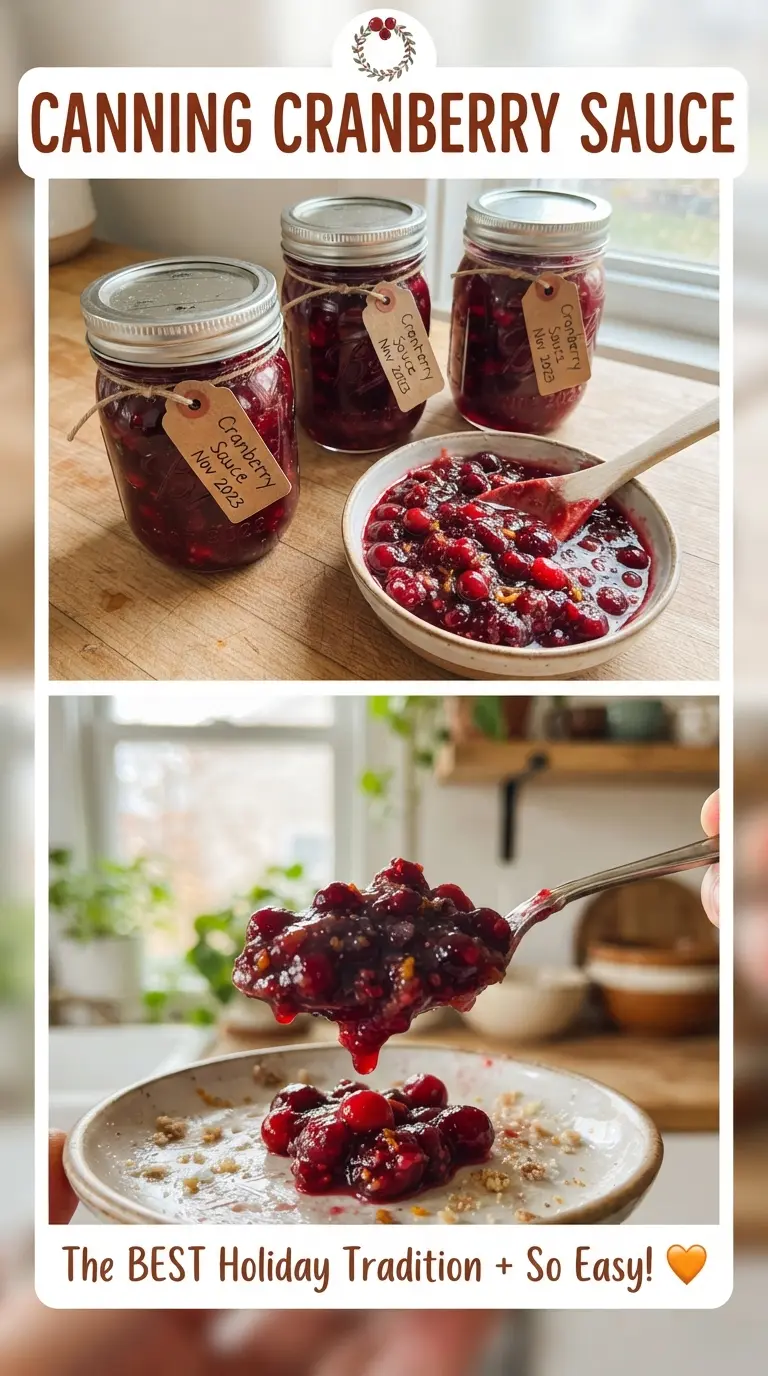
- Primary ingredient (the star) — Quality matters most. Choose the best you can find.
- Cooking medium (oil, butter, or broth) — This carries flavors and prevents dryness.
- Seasonings (salt, pepper, spices, herbs) — Layer flavors so nothing overpowers. Build depth gradually.
- Aromatics (garlic, onion, herbs) — Cook with fat to bloom flavors. Become the foundation.
- Supporting ingredients — Complement the main ingredient without overpowering it.
- Sauce or liquid (if applicable) — Brings flavors together. Balance richness with acid.
- Acid (lemon, vinegar, wine, or other) — Brightens and prevents flat-tasting results.
- Final finish (garnish, glaze, or sauce) — Prevents one-dimensional taste and adds visual appeal.
From Boil to Jar Seal Without Losing the Texture
Building the Syrup Base
Start by bringing the sugar, water, and orange juice to a full boil and stirring until the sugar dissolves completely. You want the liquid clear and unified before the fruit goes in, not grainy or sandy at the bottom of the pot. If you add cranberries too early, the sugar can sit on the surface and scorch before the syrup has formed.
Cooking the Berries Until They Burst
Once the cranberries and lemon juice are in, keep the boil gentle. The berries should split open with a few pops and the liquid will thicken from thin and syrupy to glossy and lightly coated on the spoon after 10 to 12 minutes. If the heat is too high, the sauce can catch on the bottom before the berries have time to break down, so keep the boil lively but controlled.
Filling the Jars While Everything Is Hot
Ladle the sauce into hot half-pint jars and leave 1/4-inch headspace. That small gap matters because the sauce expands during processing and needs room to vent properly; too little headspace can push sauce under the lid edge and interfere with the seal. Wipe the rims carefully, then apply lids and bands fingertip tight, which means secure but not cranked down hard.
Processing and the Final Rest
Process the jars in a boiling water bath for 15 minutes, adjusting for altitude if needed. When the timer ends, turn off the heat and let the jars rest in the canner for 5 minutes before lifting them out; that pause helps reduce siphoning and keeps the seals steadier. Leave the jars undisturbed for 24 hours, then check the lids. You should hear or feel the center held firm, not springy.
How to Tweak This Cranberry Sauce Without Ruining the Seal
Make it a little less tart
You can bump the sugar up slightly if you like a softer, sweeter cranberry sauce, but don’t cut the sugar much below the recipe amount. Sugar isn’t just about sweetness here; it helps the sauce keep its body and balance the sharp cranberry flavor after canning.
Use frozen cranberries when fresh aren’t available
Frozen cranberries work well in this recipe and can go straight into the pot from frozen. They may take a minute or two longer to come back to a boil, but the texture and sealing process stay the same.
Make a lower-sugar version only if you switch methods
This recipe is written for a standard water-bath preserve, so it relies on this sugar level for texture and balance. If you want a truly lower-sugar cranberry sauce, use a tested low-sugar canning formula instead of trimming this one down and hoping for the same result.
Storage and Reheating
- Refrigerator: Once opened, keep a jar refrigerated and use within 2 to 3 weeks. The sauce may firm up a little more as it chills.
- Freezer: Canned jars aren’t the best freezer choice. If you want to freeze cranberry sauce, freeze it in freezer-safe containers after cooling instead of freezing sealed jars.
- Reheating: Warm gently over low heat or let it come to room temperature on its own. High heat can make it scorch on the bottom and break down the berry pieces faster than you want.
Answers to the Questions Worth Asking
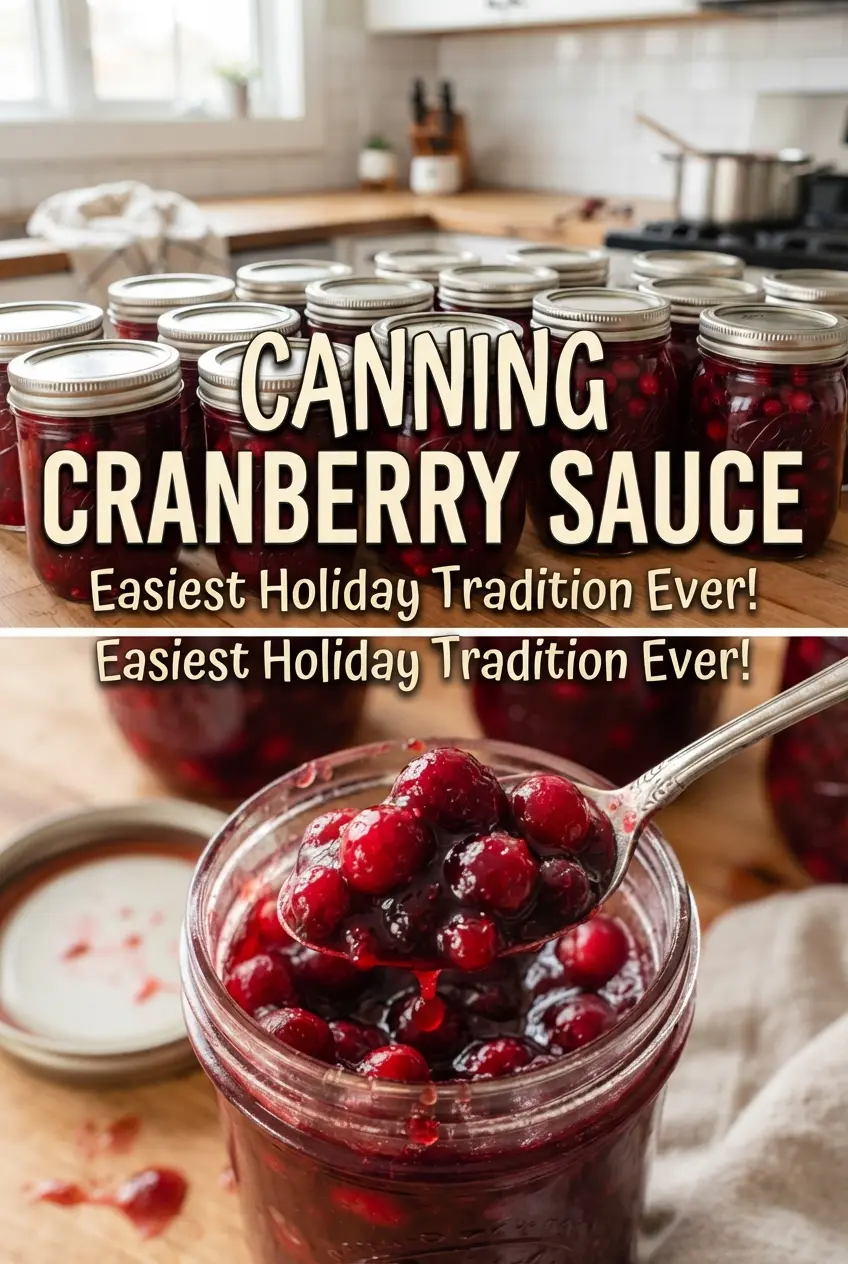
Canning Cranberry Sauce
Ingredients
Equipment
Method
- Wash 12 half-pint jars, lids, and bands, and keep the jars hot in simmering water while you cook the sauce.
- In a large pot, bring sugar, water, and orange juice to a boil, stirring until the sugar is completely dissolved.
- Add cranberries and bottled lemon juice, then boil gently for 10-12 minutes until the berries burst and the sauce thickens.
- Stir in orange zest after the sauce thickens, then keep the sauce hot.
- Ladle the hot sauce into the hot jars, leaving 1/4-inch headspace, then wipe the rims clean.
- Apply lids and bands fingertip tight to each jar.
- Process jars in a boiling water bath canner for 15 minutes, adjusting the time for altitude.
- Turn off the heat, rest the jars in the canner for 5 minutes, then lift them out and cool undisturbed for 24 hours.
- Check that the lids have sealed, then store sealed jars in a cool dark place for up to 1 year.