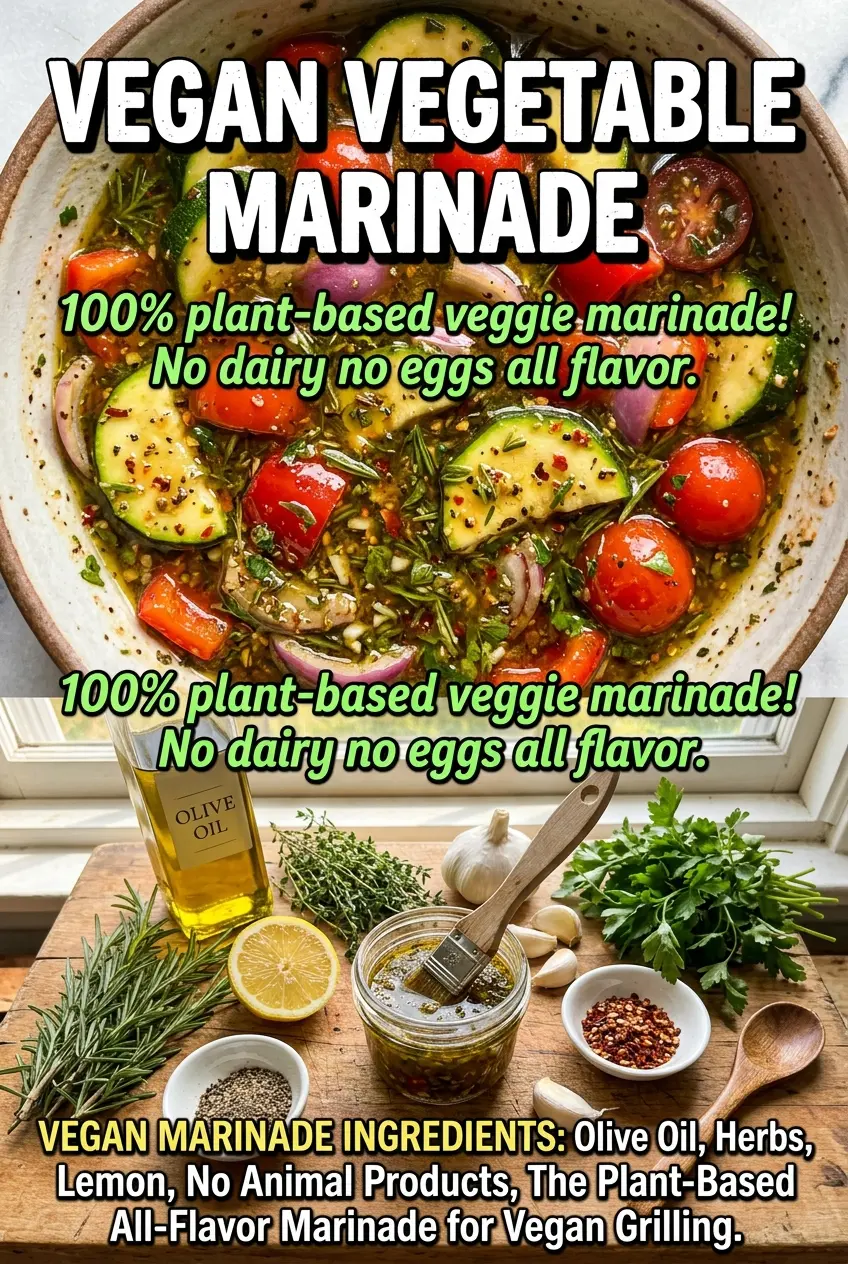
Colorful vegetables get a whole lot more interesting when they’re coated in a marinade that actually clings, seasons every surface, and browns well on the grill. This one hits that sweet spot: tangy from balsamic and lemon, savory from garlic and Dijon, with just enough honey to help the vegetables caramelize instead of drying out. The result is the kind of side dish that disappears fast, even next to the main event.
The trick here is balance. Olive oil carries the herbs and keeps the vegetables from sticking, while the vinegar and lemon give enough acidity to wake everything up without turning the vegetables mushy. Dijon helps emulsify the mixture, so the oil and acid stay mixed long enough to coat the vegetables evenly. That matters when you’re working with a bowl of zucchini, peppers, onions, and mushrooms that all absorb marinade a little differently.
Below, I’m breaking down why this marinade works, which ingredients matter most, and how to adjust it for different vegetables or cooking methods. If you’ve ever ended up with bland grilled vegetables or a marinade that slid right off, the notes here will help.
The marinade coated everything evenly and the vegetables came off the grill with actual flavor, not just char. I let them sit for 45 minutes and the zucchini stayed tender without getting soggy.
Like this veggie marinade? Save it for grilled zucchini, peppers, mushrooms, and onions that need a tangy, garlicky boost.
The Reason This Marinade Clings Instead of Sliding Off
A lot of vegetable marinades taste fine in the bowl and disappear in the pan. This one avoids that problem because the Dijon mustard acts like a quiet stabilizer. It helps the oil and acid stay blended, so the herbs, garlic, and seasoning stay suspended long enough to coat the vegetables instead of pooling at the bottom.
The other piece that matters is time. Thirty minutes is enough for sliced vegetables to pick up flavor, but not so long that acidic ingredients start softening them into a watery mess. If you leave delicate vegetables in it for hours, they can turn limp before they ever hit the grill. For denser vegetables like mushrooms, peppers, and onions, a longer rest is fine.
- Dijon mustard — This does more than add flavor. It helps the marinade emulsify, which keeps the oil and vinegar mixed long enough to coat every piece.
- Balsamic vinegar and lemon juice — The balsamic brings body and sweetness, while the lemon keeps the marinade bright. You need both to keep the vegetables from tasting flat.
- Honey — A small amount rounds out the acidity and helps the vegetables brown. Leave it out and the marinade tastes sharper, but you can swap in maple syrup if that’s what you have.
- Garlic and dried herbs — Fresh garlic gives the marinade a punch that dried herbs alone can’t match. Mince it fine so it spreads through the oil instead of clumping.
What Each Ingredient Is Doing Once the Vegetables Hit the Heat

- Olive oil — This carries flavor and helps with browning. A good everyday olive oil works fine here because the herbs and vinegar are doing most of the heavy lifting.
- Balsamic vinegar — Use one that tastes balanced, not harsh. A very cheap balsamic can read sharp and thin, especially after grilling.
- Zucchini, bell peppers, mushrooms, and onions — These hold up well to marinating and grilling. Softer vegetables need less time in the marinade, while mushrooms can take a full two hours because they soak up flavor beautifully.
- Red pepper flakes — Just enough to keep the marinade from tasting sweet. If you want more heat, add a pinch more after grilling instead of loading it into the bowl.
How to Marinate and Grill Vegetables Without Losing the Good Stuff
Whisk Until the Marinade Looks Smooth
Start by whisking the oil, vinegar, lemon juice, garlic, mustard, honey, and herbs until the mixture looks glossy and unified. You want the honey dissolved and the mustard evenly distributed, with no separate slick of oil sitting on top. If the marinade looks broken in the bowl, keep whisking for another 20 to 30 seconds. That emulsified texture is what helps it coat the vegetables instead of running off.
Coat the Vegetables, Then Let Them Sit
Pour the marinade over prepared vegetables in a large bowl or zip-top bag and toss until everything is lightly coated. Don’t drown them. A thin, even layer works better than a heavy soak because excess marinade burns on the grill. Let them sit for at least 30 minutes, and up to 2 hours for heartier vegetables.
Grill Over Medium-High Heat
Spread the vegetables out on the grill in a single layer so they get direct heat instead of steaming each other. You’re looking for tender centers, browned edges, and a few dark char marks. If the grill is too hot, the honey in the marinade can scorch before the vegetables soften, so keep the heat controlled and turn them as needed.
Finish With the Remaining Marinade
Brush on any leftover marinade during grilling only if you reserved a clean portion before it touched the raw vegetables. That gives the vegetables a fresh hit of flavor without risking contamination. If you didn’t set any aside, skip the basting and finish with a pinch of salt after grilling instead.
How to Change This Marinade for Different Vegetables and Diets
Make it dairy-free and vegan
This marinade is already naturally dairy-free, and it turns vegan the moment you swap the honey for maple syrup or leave the sweetener out altogether. Maple gives you the same gentle browning, while skipping the sweetener makes the balsamic and lemon more pronounced.
Use it for sheet pan vegetables instead of grilling
Toss the vegetables with the marinade, spread them on a hot sheet pan, and roast at high heat until the edges caramelize. You lose a little smoky char, but you gain even browning and a method that works any time of year.
Dial back the acid for delicate vegetables
For asparagus, cherry tomatoes, or thin-sliced squash, cut the marinating time to 15 to 20 minutes and use a little less lemon juice. Those vegetables pick up flavor fast, and too much acid can leave them soft before they ever cook.
Storage and Reheating
- Refrigerator: Store leftover grilled vegetables in an airtight container for up to 4 days. They soften a little as they sit, but the flavor holds up well.
- Freezer: I don’t recommend freezing the finished vegetables. The texture turns mushy after thawing, especially with zucchini and peppers.
- Reheating: Reheat in a hot skillet or on a sheet pan in a 400°F oven until warmed through. The biggest mistake is microwaving them too long, which makes them watery and dull.