Glossy chicken, caramelized edges, and sweet-savory glaze are what make these Honey Garlic Asian Chicken Kabobs earn repeat status. The chicken stays juicy, the pineapple turns golden at the edges, and the peppers and onions pick up just enough char to keep every bite interesting. It’s the kind of grill recipe that looks a little special but cooks fast enough to work on a weeknight.
The balance matters here. Honey gives the kabobs their lacquered finish, soy sauce brings salt and depth, and rice vinegar keeps the glaze from turning cloying. I also like that the marinade does double duty: it seasons the chicken from the inside, then gets brushed on as a baste for a sticky finish without making the grill flare up too much. A short marinating window works, but a full hour gives the flavors time to settle in.
Below, I’ve included the one grilling detail that keeps the glaze from burning, plus a few smart swaps if you want to change up the vegetables or make the recipe work with what you already have.
The glaze thickened up beautifully on the grill and the pineapple kept the chicken from tasting too salty. I basted right at the end like you said, and the kabobs came off sticky, caramelized, and never burned.
Sticky honey garlic chicken kabobs with charred pineapple are perfect for grilling nights that need big flavor with almost no fuss.
The Secret to Keeping the Honey Garlic Glaze Sticky Instead of Burnt
The biggest mistake with honey-based kabobs is brushing on the glaze too early and letting sugar sit directly over high heat. Honey caramelizes fast, which is great for color, but it goes from glossy to scorched in a hurry. That’s why this recipe works better when some of the marinade is reserved for basting near the end of grilling instead of coating the chicken with all of it at the start.
The other thing that helps is cutting the chicken and vegetables into similar sizes. If the pieces are uneven, the chicken dries out before the onions soften and the pineapple starts to char. Medium-high heat gives you enough burnished edges without turning the outside of the chicken bitter before the inside is cooked through.
What Each Ingredient Is Actually Doing in These Kabobs
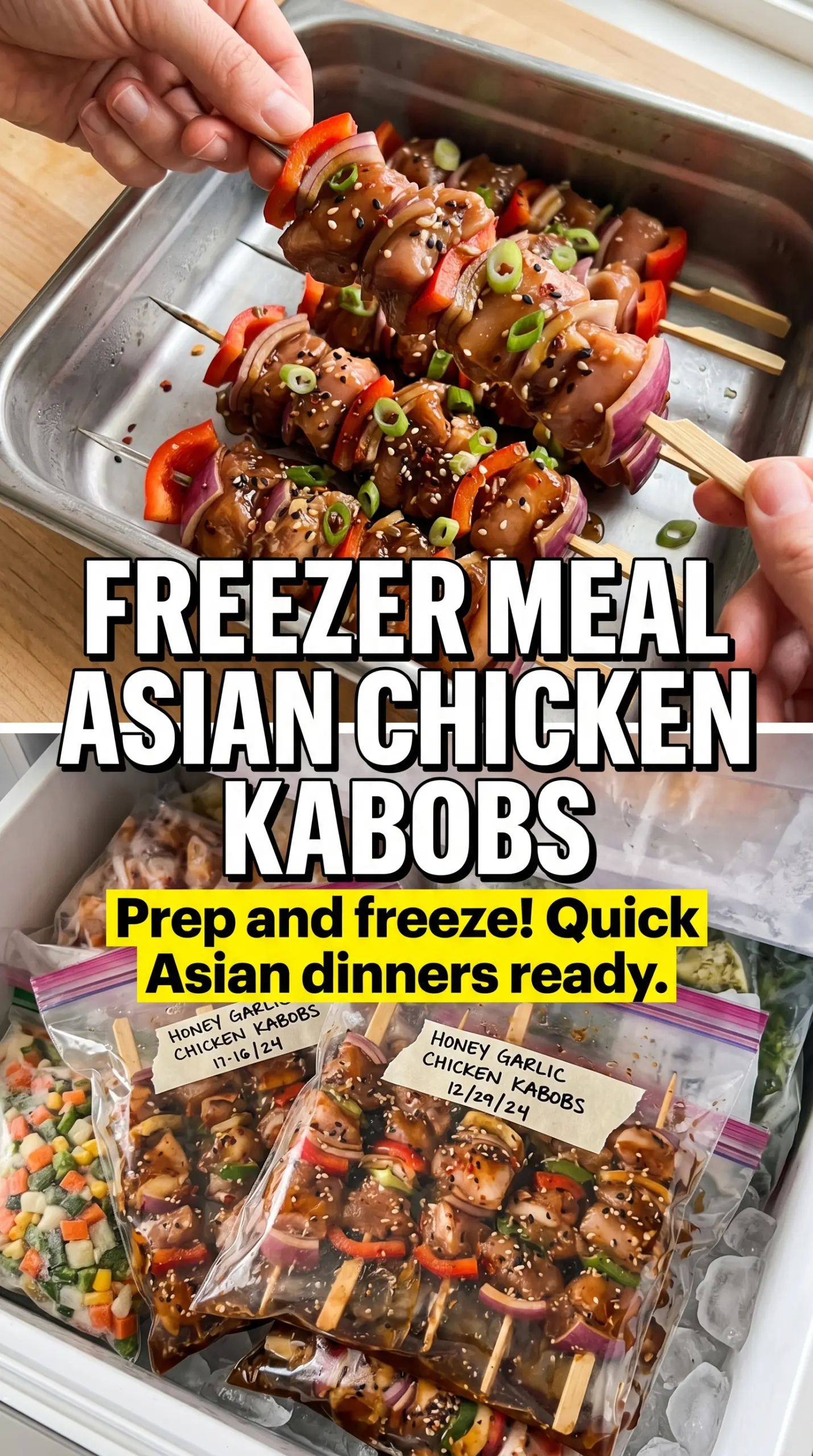
- Chicken breasts — Breasts stay lean and take on the marinade quickly, which makes them a good fit for quick grilling. Cut them into even cubes so they cook at the same pace as the vegetables. Chicken thighs work too if you want a little more forgiveness on the grill.
- Honey — This is what gives the kabobs their shine and sticky finish. There isn’t a substitute that behaves exactly the same, but maple syrup can stand in if you want a slightly deeper, less floral sweetness. The glaze will be looser and a little darker.
- Soy sauce — This brings the salt and umami that keep the honey from tasting flat. Use low-sodium if that’s what you keep on hand; it gives you more control over the final balance. For a gluten-free version, tamari works cleanly here.
- Rice vinegar — The acid keeps the marinade bright and helps the glaze taste balanced after grilling. It matters more than it looks on paper, because without it the honey and soy can feel heavy. Apple cider vinegar can work in a pinch, though it reads a little sharper.
- Sesame oil and ginger — These two ingredients give the kabobs that familiar Asian fusion aroma. A little sesame oil goes a long way, so measure it instead of pouring by eye. Fresh ginger is worth using if you have it; powdered ginger won’t give the same clean bite.
- Bell peppers, onions, and pineapple — These aren’t just filler. The peppers stay crisp-tender, the onions sweeten on the grill, and the pineapple adds juiciness that plays against the salty glaze. Pineapple also helps keep the kabobs from tasting one-note.
Building the Kabobs So the Glaze Clings and the Chicken Stays Juicy
Whisk the marinade until the honey disappears
Start by whisking the honey, soy sauce, garlic, rice vinegar, sesame oil, and ginger until the mixture looks smooth and a little glossy. If the honey sits in streaks at the bottom, it won’t season the chicken evenly. Reserve part of the marinade before it touches the raw chicken so you have a clean basting sauce later.
Marinate long enough to season, not so long that the texture goes soft
Three to four hours gives the chicken enough time to pick up flavor without changing its texture. Less than an hour still works if you’re moving fast, but the flavor will be lighter. Don’t leave the chicken in the marinade overnight; the vinegar and soy can start to make the outside of the meat a little mushy.
Thread the skewers with even spacing
Alternate chicken, peppers, onions, and pineapple so the heat can move around each piece. Leave a little space between ingredients instead of packing them tightly; crowded skewers steam instead of char. If you’re using wooden skewers, soak them first so the exposed ends don’t burn on the grill.
Grill hot, baste late, and watch the edges
Cook over medium-high heat and turn the kabobs as the first side picks up grill marks and releases cleanly. Baste during the last few minutes so the marinade gets sticky without burning. The chicken is done when it’s opaque all the way through and the juices run clear, and the pineapple should have browned edges but still hold its shape.
How to Adapt These Kabobs for Different Grills, Diets, and Dinner Plans
Use chicken thighs for a richer, juicier kabob
Chicken thighs stay a little more forgiving on the grill, especially if your heat runs hot or uneven. They’ll give you a softer bite and a slightly richer finish, while still working beautifully with the honey garlic glaze.
Make it gluten-free with tamari
Swap the soy sauce for tamari in a one-to-one amount. The flavor stays savory and balanced, and the glaze still reduces the same way on the grill. If your tamari is extra salty, reduce it slightly and taste the marinade before adding the chicken.
Skip the pineapple if you want a less sweet skewer
The kabobs will still work without pineapple, but you’ll lose some of the juicy contrast against the salty glaze. Replace it with extra bell pepper or zucchini for a more savory skewer and a little less caramelization.
Storage and Reheating
- Refrigerator: Store leftovers in an airtight container for up to 3 days. The glaze will settle and the vegetables will soften a bit, but the flavor holds well.
- Freezer: The cooked kabobs freeze, but the vegetables lose their best texture. If you want to freeze ahead, freeze just the marinated chicken before grilling for up to 2 months.
- Reheating: Warm the chicken and vegetables in a covered skillet over low heat or in a 300°F oven until just heated through. High heat dries out the chicken fast and can turn the glaze sticky in a bad way.
Questions I Get Asked About This Recipe

Honey Garlic Asian Chicken Kabobs
Ingredients
Equipment
Method
- In a bowl, whisk honey, soy sauce, minced garlic, rice vinegar, sesame oil, and grated ginger until smooth and glossy.
- Measure and reserve 1/4 cup marinade for basting so you can use it while grilling.
- Add cubed chicken to the remaining marinade and coat well, then cover and marinate for 1-4 hours.
- Thread chicken cubes onto soaked wooden skewers, then alternate with bell peppers, onions, and pineapple chunks.
- Preheat the grill to medium-high heat, then place skewers on the grates and grill 5-6 minutes per side.
- During grilling, brush with the reserved marinade each time you flip so the glaze looks visibly caramelized.
- Transfer kabobs to a platter and garnish with sesame seeds and green onions for a fresh, bright finish.