Clear broth, tender noodles, and small bites of chicken make this Chick-fil-A chicken noodle soup feel like the bowl you want when you need something simple and steady. The best versions stay light enough to sip but still carry enough body from the chicken, vegetables, and pasta to feel like a meal. What makes this copycat version worth making is the balance: the broth stays clean and golden, the vegetables soften without turning mushy, and the diced chicken stays in neat little pieces instead of falling apart.
The trick is keeping the flavor direct. A short simmer builds sweetness from the carrots, celery, and onion without muddying the broth, and the corn adds a little roundness that helps this taste like the chain version people remember. Dicing the chicken finely matters more than it sounds like it should; shredded chicken changes the whole texture and makes the soup feel heavier. Below, I’ve included the small details that keep the noodles from overcooking and the broth from going flat.
The broth stayed clear, the noodles held their shape, and the diced chicken tasted just like the Chick-fil-A soup my kids ask for every time we go out.
Save this Chick-fil-A chicken noodle soup for the nights when you want a clear, comforting broth with tender noodles and perfectly diced chicken.
The Reason the Chicken Stays Tender Instead of Stringy
Most chicken noodle soups go wrong when the chicken is shredded too aggressively or simmered too long. That gives you wispy pieces that disappear into the broth and soak up too much liquid. Finely diced chicken keeps its shape, gives every spoonful a clean bite, and makes the soup feel closer to the Chick-fil-A version instead of a homemade casserole soup.
The other mistake is boiling everything at a hard simmer after the noodles go in. Egg noodles only need enough heat to cook through; if the pot is raging, they swell unevenly and the broth turns cloudy. Keeping the cook gentle preserves the clear look and the light, comforting texture that makes this soup work.
What Each Ingredient Is Doing in the Bowl
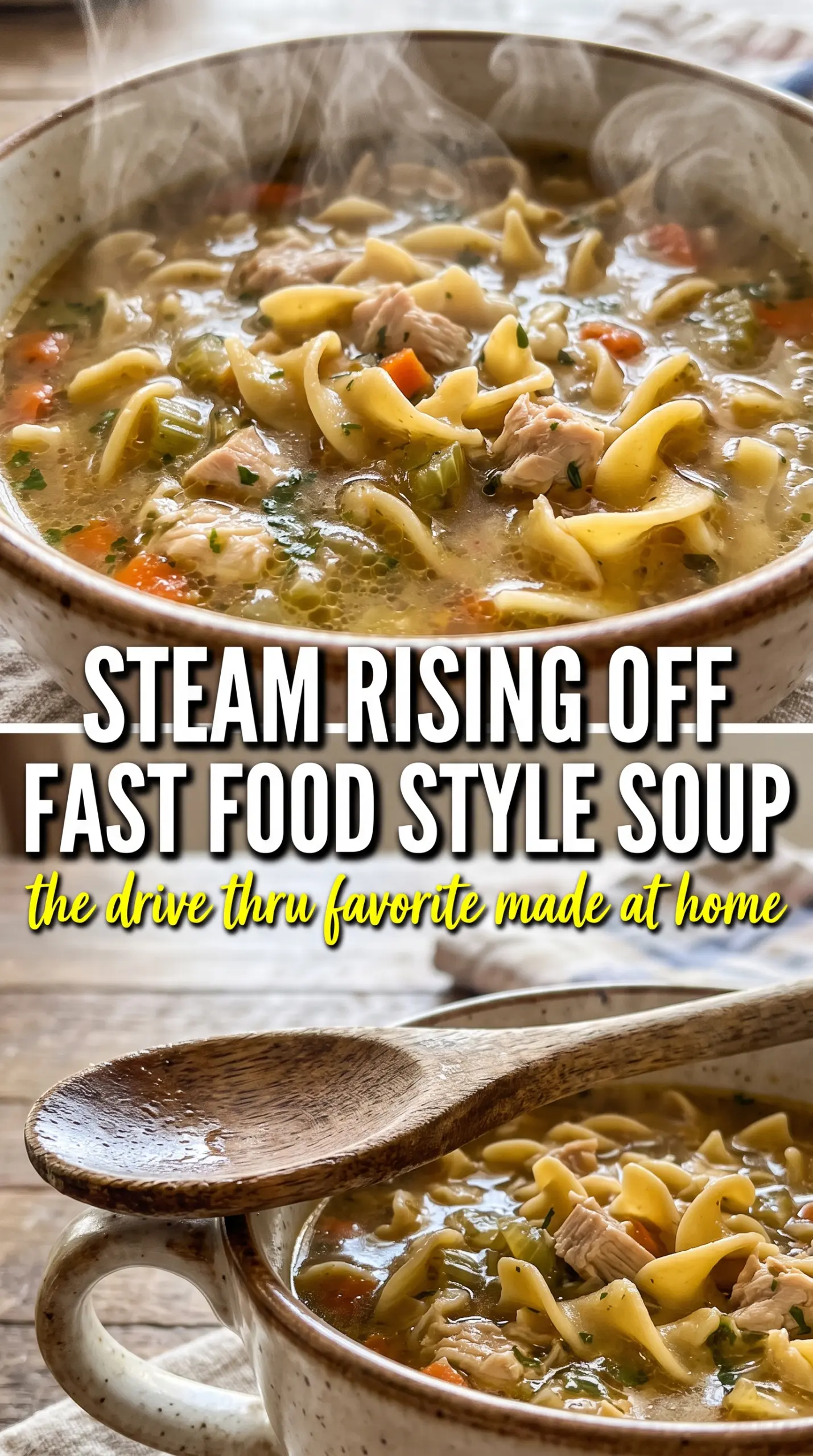
- Cooked chicken breast — Diced finely, it gives the soup a neat, spoonable texture. Freshly cooked chicken is best if you have it, but leftover chicken works well as long as it isn’t dry. Avoid shredded chicken here; it changes the feel of the soup.
- Chicken broth — This is the backbone, so use one you actually like to taste on its own. A low-sodium broth gives you control over the final seasoning. If yours tastes thin, simmering the vegetables in it for 10 minutes helps it pick up more body.
- Carrots, celery, and onion — Dice them small so they soften at the same pace and don’t dominate the spoonful. This trio builds the familiar chicken soup base without making the broth heavy. Bigger chunks read as rustic; this recipe wants something cleaner and closer to the restaurant version.
- Corn — It adds a little sweetness and a soft pop that makes the soup taste fuller. Frozen corn is fine. No need to thaw it first.
- Egg noodles — They give the soup its comfort-food feel, but they also soak up broth fast. Small pasta or egg noodles both work; just keep an eye on them so they stay tender instead of bloated.
Building the Broth in the Right Order
Starting with the vegetables
Bring the broth and water to a boil first, then add the carrots, celery, onion, garlic, parsley, thyme, and garlic powder. This gives the vegetables time to soften and season the liquid before the chicken and noodles go in. After about 10 minutes, the carrots should be just tender at the edges and the onion should lose its sharp bite. If the pot still tastes flat at this stage, the answer is usually not more herbs — it needs salt.
Adding the chicken and corn
Stir in the diced chicken and corn and let them warm through for about 5 minutes. Since the chicken is already cooked, you’re not trying to tenderize it, only heat it gently and let it absorb a little broth. Keep the simmer low so the chicken stays juicy and the corn doesn’t collapse. If you let this boil hard, the chicken dries out and the broth gets choppy instead of smooth.
Finishing with the noodles
Add the egg noodles last and cook just until tender, usually 6 to 8 minutes. Stir often enough to keep them from sticking, but don’t overwork the pot. The noodles should be soft with a little bite left in the center, not swollen and mushy. Taste before serving and season with salt and pepper at the end, because the broth, chicken, and noodles will all change how much seasoning the soup needs.
How to Adapt This Bowl for Different Kitchens and Different Needs
Use rotisserie chicken for a faster version
Rotisserie chicken saves time and gives the soup a little more savory depth. Dice it finely and add it only for the last few minutes so it stays moist. The flavor is a touch richer than plain poached chicken, which works well if your broth is mild.
Make it gluten-free with the right noodle swap
Use a gluten-free small pasta or egg-free noodle that holds up in broth. Some GF pastas break down quickly, so check them a minute or two early. The texture will be a little softer than classic egg noodles, but the broth and vegetables still carry the soup.
Skip the corn if you want a cleaner, more classic chicken soup
Leaving out the corn gives you a more traditional broth-forward soup with a less sweet finish. The bowl will taste lighter and a little less like the Chick-fil-A version, but some people prefer that cleaner profile. Add a splash more broth if you want to keep the texture loose.
Storage and Reheating
- Refrigerator: Store in an airtight container for up to 4 days. The noodles will absorb broth as it sits, so expect the soup to thicken.
- Freezer: Freeze the broth, vegetables, and chicken without the noodles for the best texture. Cook fresh noodles when reheating if you want the bowl to taste close to day one.
- Reheating: Warm gently on the stove over medium-low heat. If the soup looks too thick, add a splash of broth or water before it gets hot; boiling it hard can make the noodles bloated and the chicken dry.
Questions I Get Asked About This Recipe
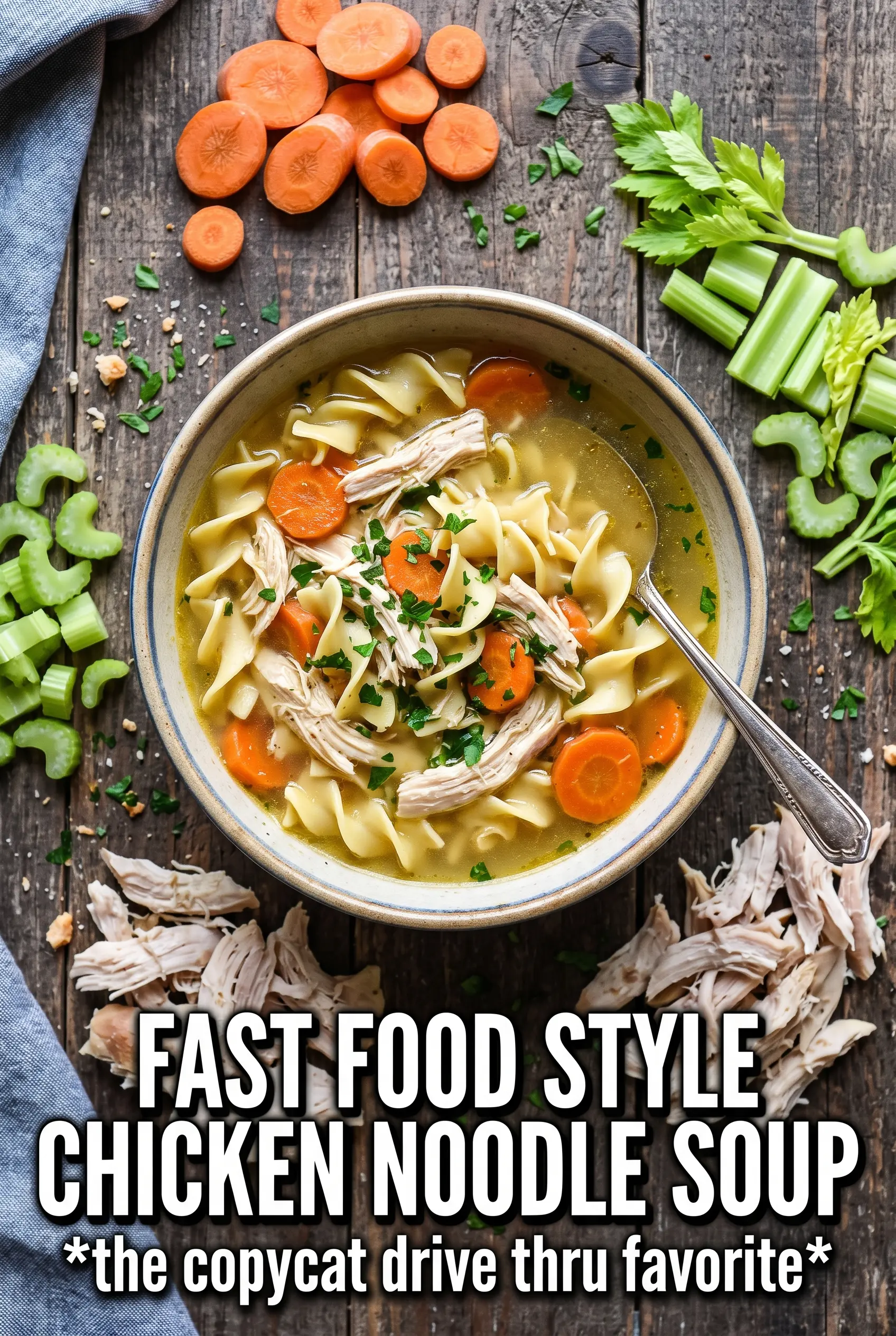
Chick-Fil-A Chicken Noodle Soup (Copycat)
Ingredients
Equipment
Method
- Bring the chicken broth and water to a boil in a large pot over high heat, then reduce to a simmer (about 200–210°F / 93–99°C) once bubbling is steady.
- Add the carrots, celery, onion, garlic, dried parsley, dried thyme, and garlic powder, then simmer for 10 minutes, until vegetables are just tender with a bright color.
- Add the finely diced chicken and corn kernels to the pot and simmer for 5 minutes, stirring once or twice, until the chicken is heated through.
- Add the egg noodles (or small pasta) and cook for 6–8 minutes, until tender, keeping the heat at a gentle simmer so the broth stays clear.
- Season with salt and pepper to taste, stirring well and tasting at the end for the clean, balanced flavor.