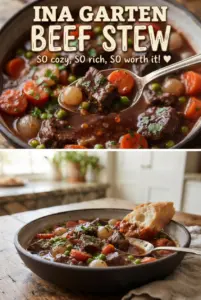
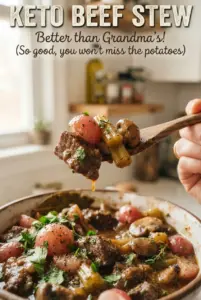
Deep, winey beef stew earns its place in the rotation when the beef turns spoon-tender, the broth tightens into a glossy gravy, and the carrots and potatoes hold their shape instead of dissolving into the pot. This version has that old-world comfort people expect from a proper Dutch oven stew, but it doesn’t taste flat or muddy. The red wine lifts the richness, and the Worcestershire and tomato paste give the broth a darker backbone without turning it into something heavy.
The key is browning the beef in batches and using the flour on the meat, not as a last-minute thickener. That flour helps the braising liquid settle into a stew-like consistency as it cooks, and the browned bits left in the pot become the base of the sauce. The vegetables go in early enough to flavor the broth, but the peas wait until the end so they stay bright and sweet instead of khaki and soft.
The wine and broth made the gravy rich without being too heavy, and the beef was fork-tender right on schedule. I loved that the potatoes stayed intact and the peas kept the stew from feeling dull at the end.
Ina Garten beef stew with red wine gravy, tender chuck, and buttery vegetables is the kind of one-pot dinner worth keeping on repeat.
The Reason This Stew Stays Rich Instead of Flat
The difference between a good beef stew and a memorable one usually comes down to two things: getting enough color on the beef and giving the liquid time to reduce in the oven. If you rush the browning, you lose the roasted flavor that makes the broth taste deep instead of merely salty. If you cook it hard on the stovetop, the beef tightens up before the collagen has time to break down. Low oven heat does the work gently, and that is what makes chuck turn silky.
The flour on the beef also matters more than people expect. It helps the surface brown, and some of it dissolves into the braising liquid, which gives the stew body without making it pasty. Don’t add extra flour at the end unless the stew is still too thin after baking; once the vegetables have cooked down, the liquid usually lands where it should.
What the Wine, Broth, and Herbs Are Doing in the Pot
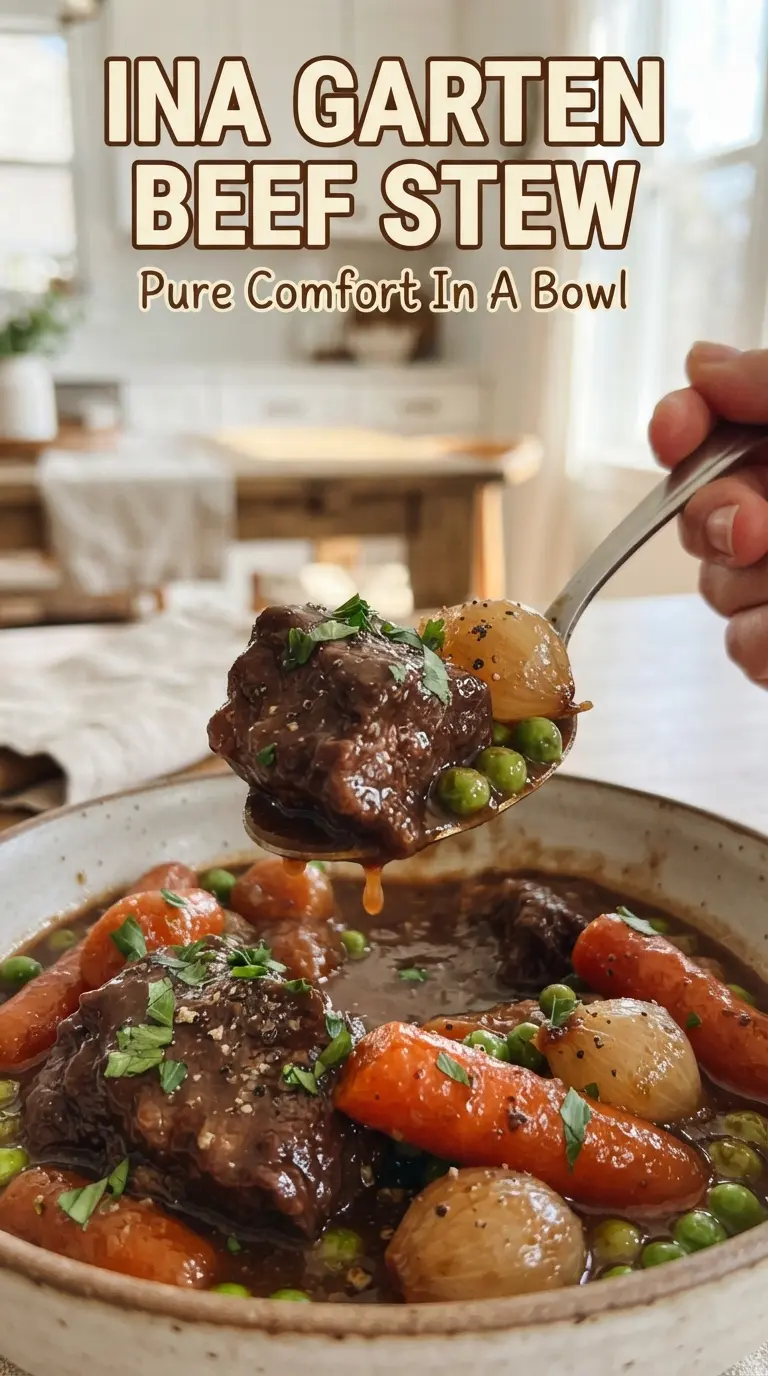
- Beef chuck — This is the cut that gives you stew with body. It has enough connective tissue to soften during the long bake, which is why sirloin or stew meat from unknown trimmings usually disappoints. Cut it into large chunks so it doesn’t dry out before it turns tender.
- Dry red wine — Use a wine you’d actually drink. It doesn’t need to be expensive, but it does need to taste clean, because the flavor concentrates as it cooks. If you don’t want to use wine, a little more broth plus a splash of red wine vinegar at the end gives some brightness back, though it won’t taste the same.
- Tomato paste and Worcestershire sauce — These are the quiet flavor builders. Tomato paste adds depth and a little sweetness, while Worcestershire brings savoriness and helps the stew taste seasoned from the inside out. Stir them into the hot liquid so they dissolve evenly instead of clumping on the bottom.
- Fresh rosemary and thyme — Fresh herbs matter here because the stew cooks long enough for their oils to infuse the broth without tasting dusty. Dried thyme can work in a pinch, but use less and add it early. Rosemary should be removed before serving or it can overpower the pot.
- Frozen peas — They go in at the end for color and sweetness. Fresh peas aren’t necessary, and canned peas will turn mushy. The goal is a bright finish that wakes up the stew after the long braise.
Building the Braise Without Losing the Texture
Brown the beef in batches
Heat the oil until it shimmers, then add the floured beef in a single layer without crowding the pot. You want a deep brown crust, not a gray surface, so give each batch time to sit undisturbed before turning. If the pan gets crowded, the beef steams and the fond stays weak, which means the broth never gets the same depth later.
Use the wine to lift the fond
When the beef is out, pour in the wine and scrape the bottom of the pot with a wooden spoon. Those dark stuck-on bits are the backbone of the sauce. Let the wine bubble for a minute or two so the sharp edge cooks off before you add the broth and tomato paste; otherwise the stew can taste boozy instead of rounded.
Let the oven do the slow work
Once everything is in the pot, bring it to a simmer before covering and moving it to the oven. The stew should cook at a quiet braise, not a rolling boil. If it boils hard, the meat tightens and the potatoes start breaking before the chuck is tender. At the end, the beef should yield easily to a fork and the carrots should be soft but still shaped.
Finish with peas and seasoning
Stir the peas in only after the beef and vegetables are done. Five minutes on the stove is enough to heat them through and bring the broth back to serving temperature. Taste before serving, then add salt and pepper if needed, because the broth often needs one last adjustment after the long cook.
How to Adapt This Stew for Different Kitchens and Different Nights
Gluten-Free Version
Swap the all-purpose flour for a 1:1 gluten-free flour blend. The stew still thickens during the braise, but you may get a slightly looser broth than with wheat flour. If the stew needs more body at the end, simmer it uncovered on the stove for a few extra minutes instead of adding raw starch.
No-Wine Version
Use an extra cup of beef broth in place of the wine and add 1 to 2 teaspoons of red wine vinegar at the end for brightness. You lose some of the stew’s depth, but you keep the savory base and avoid the sharp boozy note that can happen if wine is substituted too quickly.
Make It Ahead
This stew tastes even better after a night in the refrigerator because the broth settles and the flavors knit together. Cool it completely before refrigerating, then rewarm it slowly so the beef stays tender and the potatoes don’t fall apart from aggressive heat.
Storage and Reheating
- Refrigerator: Store covered for up to 4 days. The broth thickens as it chills, and the potatoes soften a bit more after day one.
- Freezer: It freezes well for up to 3 months, though the potatoes can turn a little grainy after thawing. If you want the best texture, freeze the stew without the potatoes and add fresh cooked potatoes when reheating.
- Reheating: Warm it gently on the stove over low heat until hot all the way through. High heat can make the beef stringy and break the potatoes apart before the center is warm.
Answers to the Questions Worth Asking
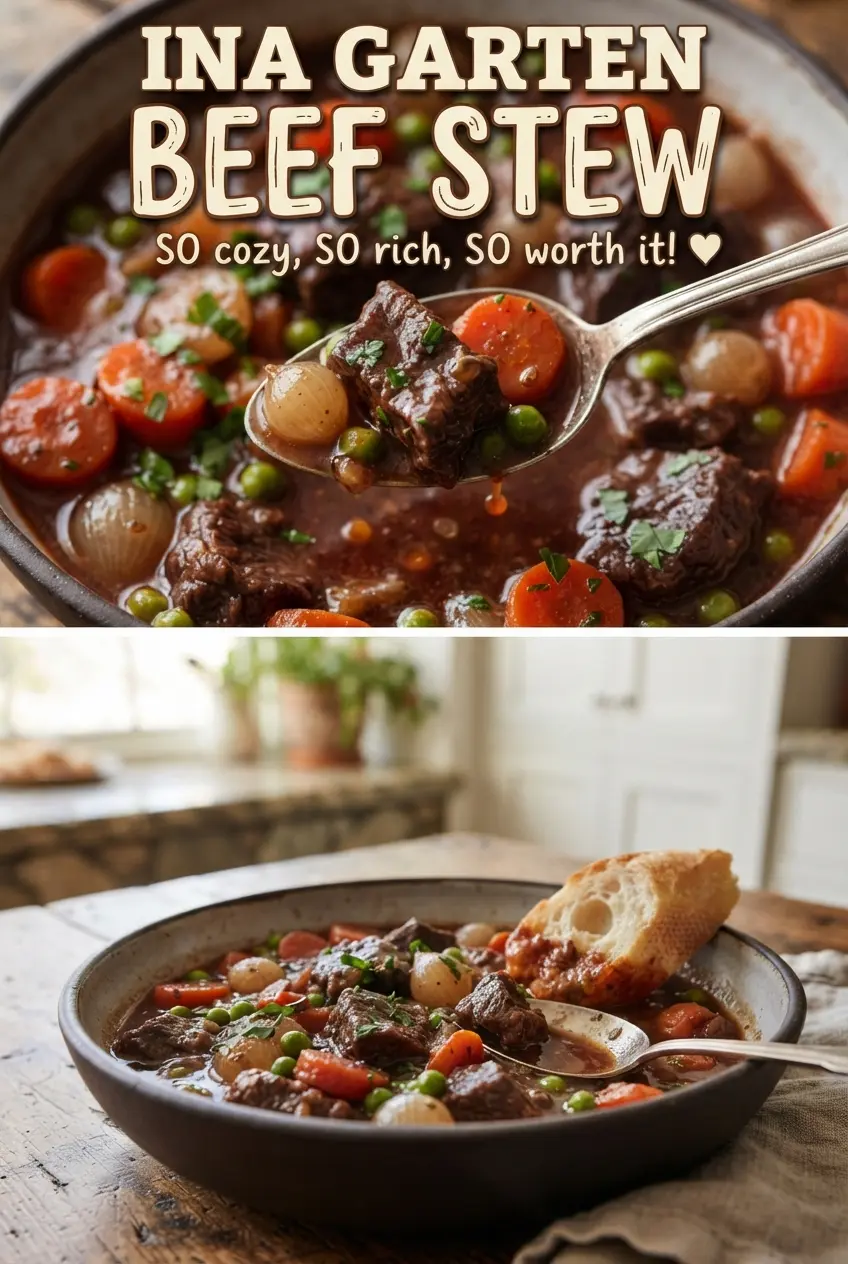
Ina Garten-Style French-Inspired Beef Stew
Ingredients
Equipment
Method
- Preheat the oven to 300°F. Toss the beef with flour, kosher salt, and black pepper, then brown it in batches in olive oil so it develops a deep color.
- Heat the Dutch oven over medium-high heat and brown half the beef first. When pieces release easily and look well browned, move them to a plate, then repeat with the remaining beef.
- Pour off any excess oil if needed, then add the dry red wine to the pot. Scrape up the browned bits stuck to the bottom, stirring until the surface loosens.
- Stir in the beef broth, tomato paste, Worcestershire sauce, and minced garlic. Mix until the tomato paste dissolves and the sauce looks evenly combined.
- Return the browned beef to the pot, then add onions, carrots, small potatoes, rosemary, and fresh thyme leaves. Distribute everything so the liquid is around the vegetables but not necessarily covering them completely.
- Bring the mixture to a simmer on the stovetop, then cover the Dutch oven. Bake at 300°F for 1 3/4–2 hours, until the beef and vegetables are tender when pierced.
- Remove the rosemary sprig and stir the stew. Add the frozen peas and stir them through.
- Simmer the stew on the stove for 5 minutes to heat the peas through and meld flavors. Season to taste, then serve hot.