Perfect grilled salmon should come off the grates with crisp skin, juicy flesh, and just enough char to taste like it belongs on the grill. The difference between a good fillet and a great one usually comes down to two things: dry fish and a hot, well-oiled grate. Get those right, and the salmon releases cleanly instead of sticking and tearing apart.
This version keeps the seasoning simple on purpose. Olive oil helps the surface brown, lemon juice adds brightness without overpowering the fish, and garlic gives the marinade enough backbone to stand up to the grill. A short 15-minute rest is all you need here; any longer and the acid can start to change the texture before the fish even hits the heat.
Below, I’m walking through the small details that matter most: how to keep the skin intact, when to flip, and how to tell when the center is cooked without drying out. Once you’ve done it this way once, it stops feeling like a gamble.
I’ve ruined salmon on the grill before, but this method gave me skin that actually released and flesh that stayed moist. The lemon and garlic were just enough, and it cooked in under 10 minutes like promised.
Love that crisp-skin, tender-center grilled salmon? Save this one for the nights when you want dinner on the table fast without guessing at doneness.
The Part Most Grilled Salmon Gets Wrong: Waiting to Move It
Salmon needs uninterrupted contact with the hot grate at the start. That first side, skin-side down, is doing three jobs at once: rendering the skin, protecting the flesh from direct flame, and building enough color that the fillet releases on its own. If you try to flip too early, the skin sticks and the fish tears, which is why so many people think grilling salmon is fussy.
The better move is patience. Once the fish hits the grill, leave it alone for the full 6 to 8 minutes until the color changes about three-quarters of the way up the sides and the fillet lifts cleanly with tongs. If it resists, it’s not ready yet.
What Each Ingredient Is Actually Doing in This Dish
- Skin-on salmon fillets — Skin-on fillets hold together better on the grill and give you that crisp bottom layer that keeps the fish from drying out. A center-cut fillet is easiest to cook evenly, but any firm, fresh-looking salmon works.
- Olive oil — This helps the marinade cling and gives the exterior a little insulation so the fish browns instead of sticking. Don’t skip it, even if your grill is well oiled.
- Lemon juice — Lemon brightens the fish, but it also starts lightly curing the surface. That’s why the rest stays short; too much time and the texture goes from tender to chalky.
- Garlic — Fresh minced garlic adds enough savory depth to carry the simple seasoning. Keep the pieces fine so they don’t scorch and turn bitter on the grill.
- Fresh dill and lemon wedges — Dill and lemon finish the dish with freshness after the heat has done its work. Dill is worth using fresh here; dried dill disappears too quickly.
How to Grill Salmon So It Stays Juicy and Releases Cleanly
Drying and Marinating the Fillets
Pat the salmon dry before you brush on the olive oil, lemon juice, and garlic. Moisture on the surface is what keeps the skin from crisping and makes sticking more likely. After seasoning with salt and pepper, let the fillets sit for 15 minutes, just long enough for the flavor to settle in without changing the texture too much.
Preheating the Grill and Oiling the Grates
Preheat to medium-high and oil the grates well before the salmon goes on. A clean, hot grate gives you the best chance at a clean release; a lukewarm grill is where fish falls apart. If you can’t hold your hand over the grate for more than a couple of seconds, you’re in the right range.
Leaving the First Side Alone
Place the salmon skin-side down and don’t move it for 6 to 8 minutes. You’re waiting for the skin to crisp and the flesh to turn opaque from the bottom up. If you try to lift it and it clings, give it another minute; once it’s ready, it’ll release without a fight.
The Quick Finish on the Second Side
Flip carefully and grill for 2 to 3 minutes more, just until the fish reaches the doneness you like. For medium, aim for 145°F, but pull it a little earlier if you want the center softer and more translucent. The biggest mistake here is chasing grill marks so long that the fish dries out before the middle is done.
How to Adapt This Grilled Salmon for Different Grills and Diets
Cedar Plank Version
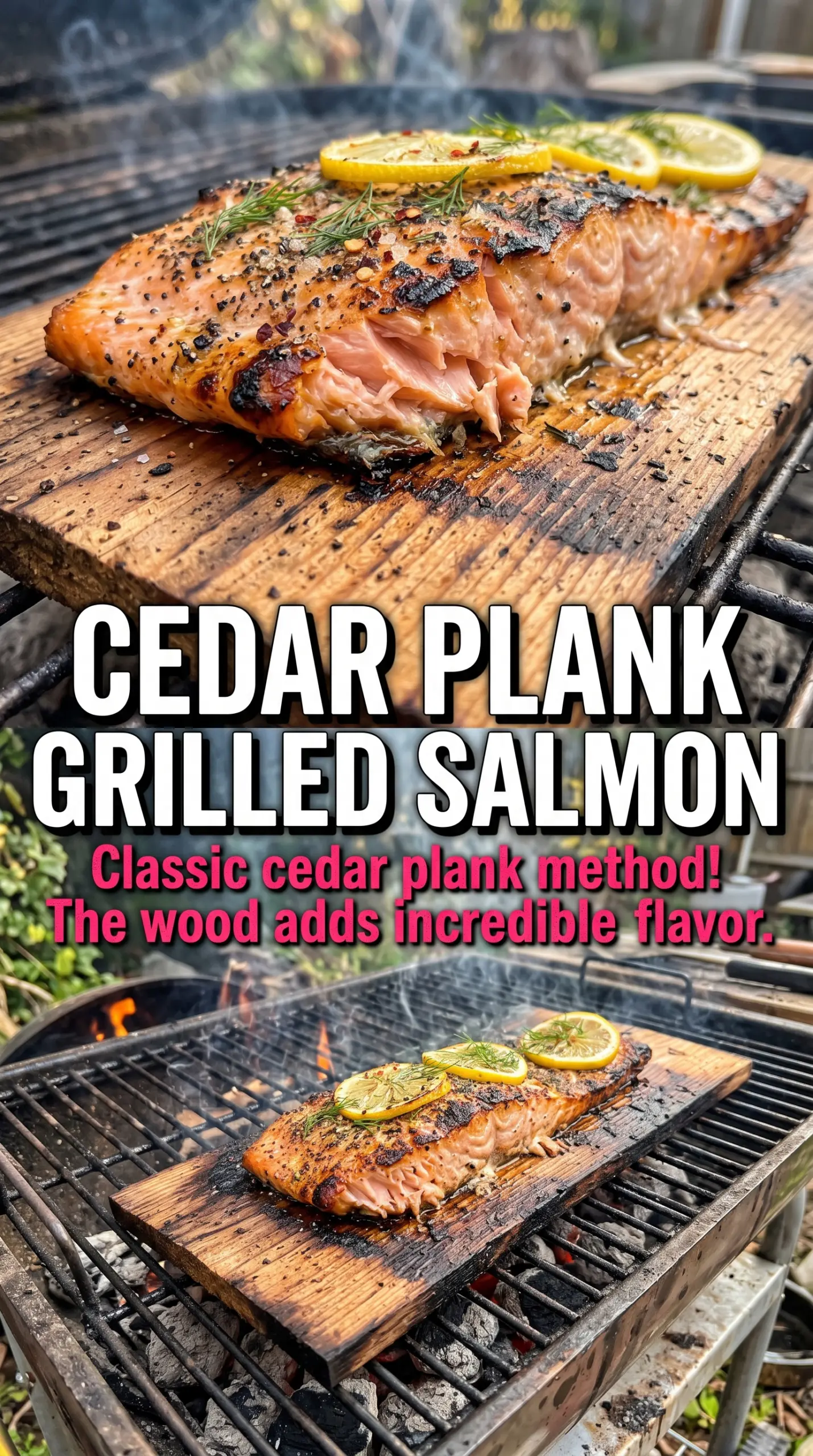
If you want a gentler smoke flavor and even easier cleanup, cook the salmon on a soaked cedar plank. The plank buffers the heat, which makes the flesh a little more forgiving, but you’ll lose some direct-char flavor and the skin won’t crisp the same way.
Dairy-Free and Naturally Gluten-Free
This recipe already fits both diets as written. Just keep an eye on your grill oil and any seasoning blends you add on the side so you don’t sneak in unnecessary fillers or gluten-containing additives.
Skinless Fillets
You can grill skinless salmon, but it needs a little extra care because there’s less protection from the heat. Oil the fish well, use a clean grill basket or well-oiled grate, and shave a minute off the first side since it cooks faster and dries out more quickly.
Cooking for a Crowd
If you’re scaling up, grill in batches instead of crowding the grates. Packed fish steams instead of searing, and you’ll lose the clean release that makes this method work in the first place.
Storage and Reheating
- Refrigerator: Store leftovers in an airtight container for up to 2 days. The texture stays best if you don’t overcook it the first time.
- Freezer: Cooked salmon can be frozen, but the texture softens after thawing. Wrap tightly and freeze for up to 1 month if you need to save it.
- Reheating: Warm it gently in a covered skillet over low heat or in a 275°F oven until just heated through. High heat dries salmon out fast and turns the edges mealy before the center warms up.
Answers to the Questions Worth Asking
How To Make The Best Grilled Salmon
Ingredients
Method
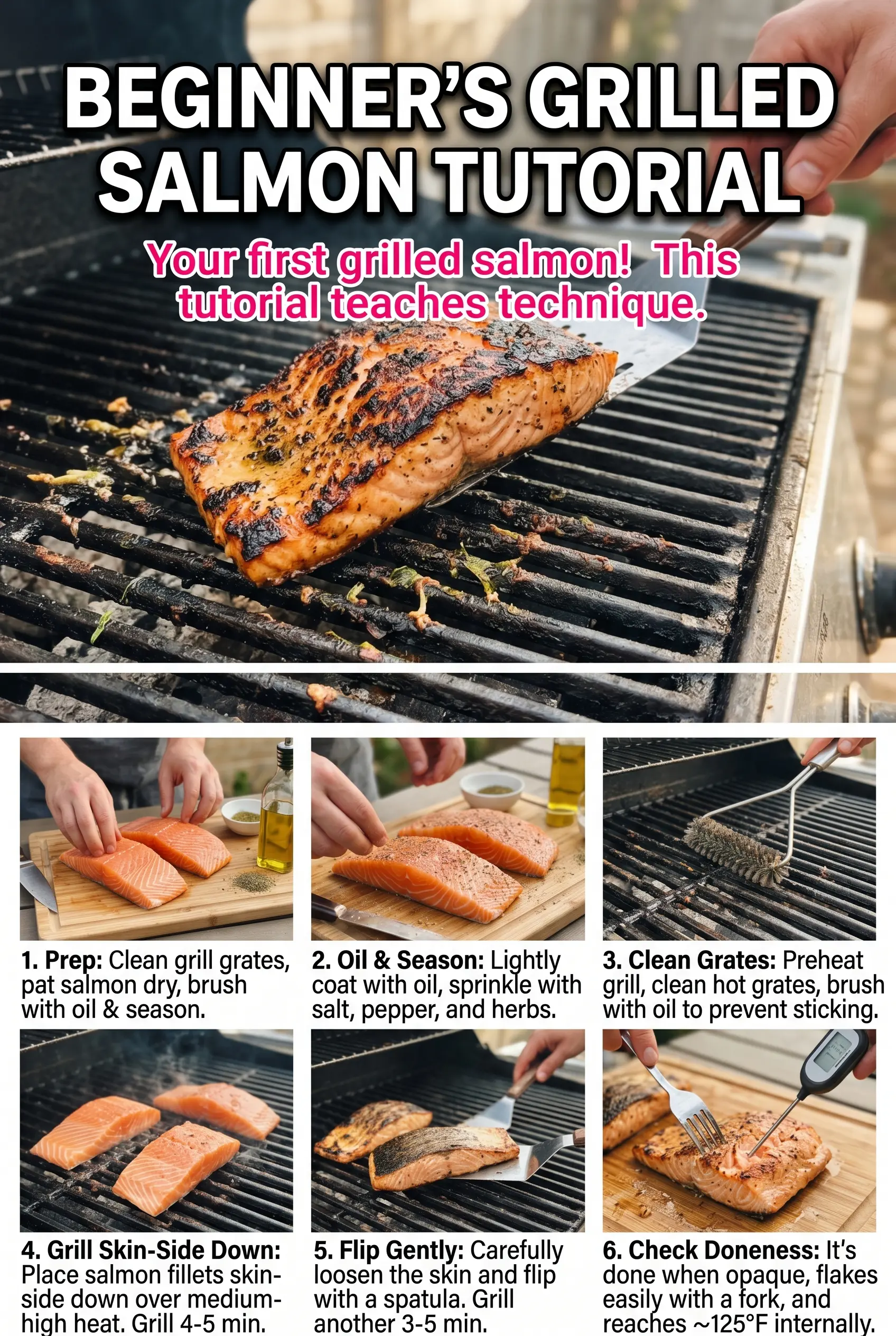
- Pat the salmon dry, then brush the fillets with a mixture of olive oil, lemon juice, and minced garlic so the surface looks evenly coated.
- Season the salmon generously with salt and pepper, then let it sit for 15 minutes so the flavors start to absorb.
- Preheat the grill to medium-high and oil the grates well so the salmon doesn’t stick.
- Place the salmon skin-side down and grill for 6-8 minutes without moving, until the skin looks crisp and releases easily at the edges.
- Carefully flip the salmon and grill for 2-3 minutes more until it reaches desired doneness, using 145°F for medium as the target.
- Serve the grilled salmon immediately with fresh dill and lemon wedges for bright finish and aroma.