Loaded breakfast biscuits hit that sweet spot between portable and indulgent: flaky on the outside, soft in the middle, and heavy enough to count as a full meal. When the biscuit is split open and the gravy starts soaking into the eggs and sausage, you get the kind of breakfast that disappears fast at the table and somehow tastes even better eaten outdoors.
The trick is keeping each piece distinct enough to stack without turning soggy. Warm biscuits get buttered right away so the cut sides stay rich, the sausage goes in hot so the cheese melts a little, and the gravy gets spooned on at the very end so it coats everything instead of flooding the biscuit. That order matters more than people think.
Below, I’ve included the timing that keeps the biscuits from drying out and a few easy swaps if you’re cooking at camp, feeding a crowd, or building these with whatever breakfast meat you already have on hand.
The biscuits stayed fluffy under all that gravy, and splitting them open before filling kept everything from sliding out. I made these over the camp stove and they tasted like a diner breakfast in the woods.
Loaded breakfast biscuits with eggs, sausage, and gravy are worth pinning for camp mornings and hearty make-and-eat-again breakfasts.
The Biscuit Never Stands a Chance If You Build It in the Wrong Order
A loaded biscuit sandwich falls apart when the bread gets overloaded before it has a chance to hold itself together. The better approach is to treat each layer like it has a job: butter seals the biscuit, eggs cushion the center, sausage adds heft, cheese melts into the gaps, and gravy finishes the whole thing with just enough moisture to tie it together.
The other common miss is letting the biscuits cool too much before assembling. Once they lose that just-baked warmth, the cheese stops melting properly and the gravy sits on top instead of settling in. Hot filling on hot biscuit is what gives you that diner-style bite where everything blends without turning mushy.
- Butter on the cut sides keeps the biscuit rich and gives you a little protection against the gravy softening it too quickly.
- Warm sausage and eggs matter more than most people expect. Cold filling kills the melt and makes the sandwich feel heavy instead of layered.
- Gravy last is the difference between a loaded biscuit and a collapsed one. Spoon it over the top right before serving so it clings instead of soaking through immediately.
What Each Ingredient Is Actually Doing in This Breakfast Stack
- Refrigerated biscuits are the structure here, and canned biscuits are the right shortcut because they bake up tall and split cleanly. If you use homemade biscuits, keep them on the sturdier side so they can handle the filling.
- Breakfast sausage patties bring salt, fat, and the savory backbone of the sandwich. Pork sausage gives the most classic result, but turkey sausage works if you want something lighter; just don’t use a dry sausage, or the whole biscuit eats flat.
- Cheddar cheese melts into the warm eggs and sausage and helps everything feel cohesive. Sharp cheddar gives the best contrast, but medium cheddar melts a little more smoothly if that’s your priority.
- Country gravy is the finishing layer, and canned gravy is fine here because it just needs to be hot and spoonable. If it’s too thick, thin it with a splash of milk or water until it ribbons off the spoon instead of mounding.
- Eggs should be softly scrambled, not dry, because they keep the sandwich from feeling heavy. A soft set texture also helps them absorb the gravy without disappearing into it.
Building the Biscuit Sandwich So It Stays Tall and Hot
Getting the Biscuits Baked Through First
Bake the biscuits fully according to the package directions, whether you’re using a Dutch oven or a camp stove setup. They should feel light, not doughy, and the tops should have a deep golden color. If the centers stay pale or underbaked, they’ll compress once you split them and the whole sandwich gets dense.
Adding Butter While the Biscuit Is Still Warm
Split each biscuit in half and butter the cut sides right away. The warmth helps the butter melt into the crumb instead of sitting on top, which gives you better flavor and a little moisture barrier. If the biscuits have cooled too much, the butter just smears and doesn’t do nearly as much for the texture.
Stacking the Fillings Without Losing the Shape
Layer the scrambled eggs first, then the sausage patty, then the cheese so the heat from the meat helps the cheese soften. Keep the fillings centered rather than spread to the edges, or they’ll spill out the second you press the top biscuit on. If your eggs are watery, drain them briefly in the pan before building; extra liquid is what turns the bottom half soggy.
Finishing With Gravy at the Table
Spoon the warm gravy over the assembled biscuits just before serving. You want it thick enough to coat, not run straight off the sides, so heat it until it steams and stirs smoothly. If it’s poured on too early, the biscuit soaks up the gravy and loses that fluffy contrast that makes the sandwich work.
How to Adapt These Biscuits for the Stove, the Campfire, or a Different Diet
Make It Ahead for Busy Mornings
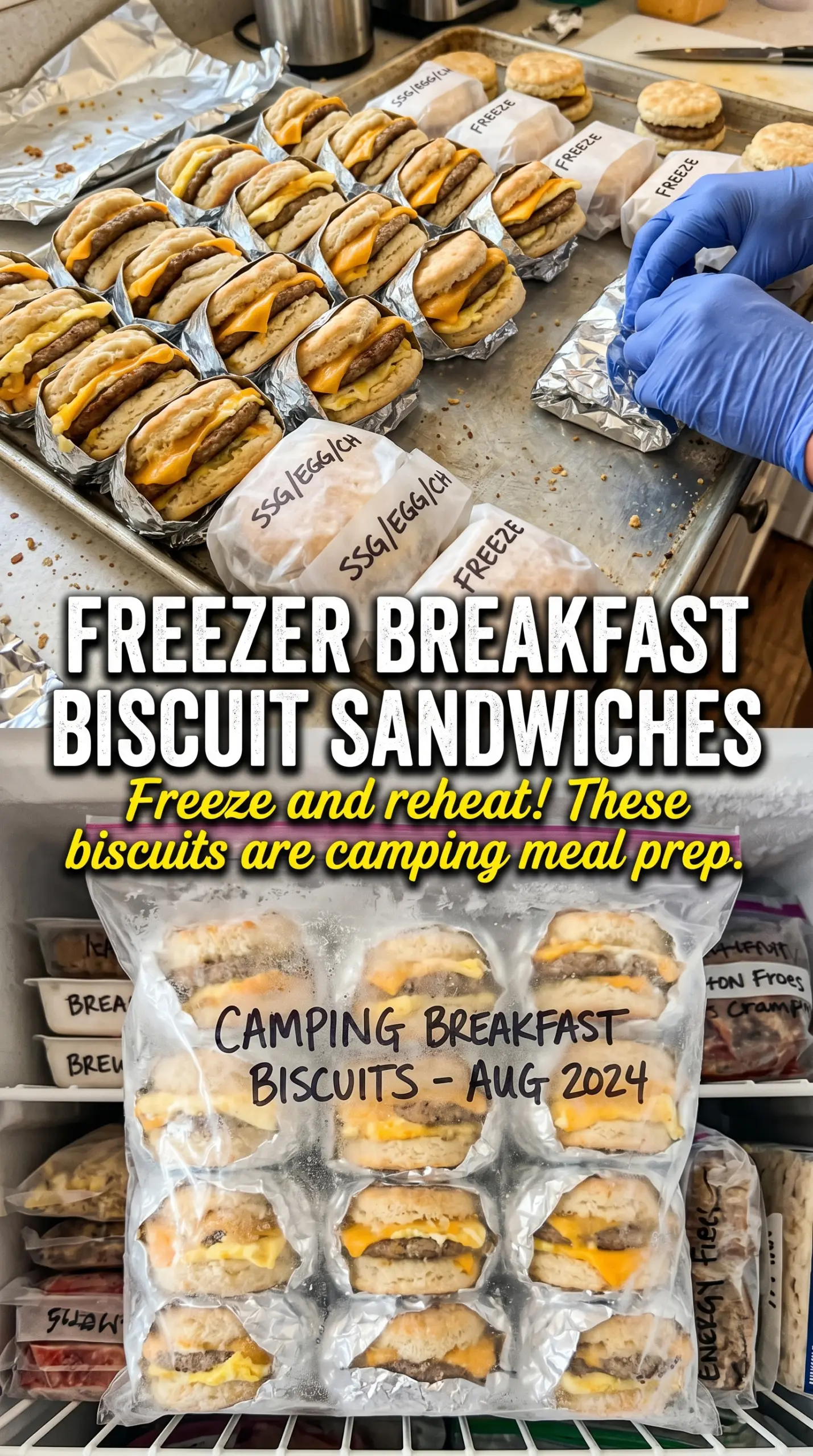
Bake the biscuits and cook the sausage and eggs ahead of time, then refrigerate everything separately. Reheat the components and assemble just before serving so the biscuit stays fluffy instead of absorbing the gravy in the fridge.
Use Turkey Sausage for a Lighter Sandwich
Turkey sausage works well, but it needs a little help because it’s leaner than pork. Cook it until fully browned and don’t skip the gravy, since the extra moisture keeps the biscuit from tasting dry.
Make It Gluten-Free With the Right Biscuit
Use a gluten-free biscuit that bakes up sturdy enough to split without crumbling. The filling itself is naturally gluten-free if your sausage and gravy are labeled that way, but the biscuit has to do the structural work or the sandwich won’t hold.
Switch the Cheese for a Different Melt
American cheese gives a softer, creamier melt if you want a more classic diner-style sandwich. Pepper jack adds heat and cuts through the gravy, but it changes the balance enough that the sausage tastes a little sharper.
Storage and Reheating
- Refrigerator: Store the biscuits, eggs, sausage, and gravy separately for up to 3 days. Assembled sandwiches get soft fast, so keep the parts apart if you want the best texture.
- Freezer: The cooked sausage and biscuits freeze well. The eggs and gravy are better made fresh because they lose texture when thawed.
- Reheating: Warm the biscuits in a low oven, reheat the sausage and gravy gently on the stove, and scramble fresh eggs if you can. High heat dries out the biscuit and turns the gravy greasy, which is the fastest way to ruin the sandwich.
Answers to the Questions Worth Asking

Loaded Breakfast Biscuits
Ingredients
Equipment
Method
- Bake or cook the large refrigerated biscuits according to package directions in a Dutch oven or on a camp stove, until puffed and golden. Aim for the package temperature and use the time range given on the label for the most reliable rise, watching for a light, set exterior.
- Scramble the eggs and season with salt and black pepper to taste, cooking until just set and still slightly soft. Cook for about 3-5 minutes, stirring frequently so the curds stay tender and look glossy rather than dry.
- Cook the breakfast sausage patties until browned and cooked through. Use a medium heat cook for about 8-12 minutes, flipping once so both sides develop a deep golden color.
- Split the biscuits in half and butter the insides. Press lightly to open them fully so they can hold filling without tearing.
- Fill each biscuit with scrambled eggs, a cooked sausage patty, and a cheddar cheese slice. Layer so the cheese sits on the hot filling and begins to melt right away.
- Top each sandwich with warm country gravy. Spoon enough to coat the cheese and pooling slightly at the edges, keeping it hot for oozing filling.
- Serve immediately while hot. Plate with the biscuits opened so the eggs, sausage, and cheese look layered and visible.