Juicy Greek chicken earns its spot in the regular dinner rotation because the flavor goes all the way through the meat, not just on the surface. The marinade brings sharp lemon, garlic, oregano, and olive oil together in a way that keeps the chicken bright while the grill gives it those browned edges everyone wants. The result is tender, well-seasoned chicken that still tastes fresh at the table.
The part that matters most is the marinating time. Four hours gives the acid and salt time to season the chicken without making the texture mushy, and overnight works even better if the pieces aren’t sliced too thin. A hot grill finishes the job fast, which keeps the outside from drying out before the center reaches temperature. I also like using lemon zest here, because it carries the citrus flavor without adding more liquid to the marinade.
Below, I’ve included the small details that keep the chicken juicy and the flavor balanced, plus a few simple ways to adjust the marinade if you’re cooking for different diets or working with what you already have.
The chicken came off the grill juicy and the lemon-oregano marinade had that classic Greek flavor without tasting harsh. I marinated it overnight and the edges caramelized beautifully while the inside stayed tender.
Save this juicy Greek chicken for the nights when you want bright lemon, oregano, and grilled chicken with almost no cleanup.
The Marinade Timing That Keeps Greek Chicken Juicy Instead of Watery
The biggest mistake with lemon-based chicken is assuming more time always means better flavor. Lemon juice is helpful, but if the chicken sits in a strong acid marinade for too long, the surface can turn soft and almost chalky before it ever hits the grill. That’s why this recipe works best in the 4 to 24 hour range: long enough for the garlic, oregano, and salt to season the meat, but not so long that the texture turns strange.
Another detail that matters is the cut of chicken. Smaller pieces pick up flavor faster, but they also dry out faster over high heat. If your pieces are uneven, the thin ends will overcook before the thicker parts are ready, so keep the size as even as you can. Medium-high heat gives you browning without giving the marinade time to burn black before the chicken is cooked through.
What Each Ingredient Is Actually Doing in This Greek Chicken
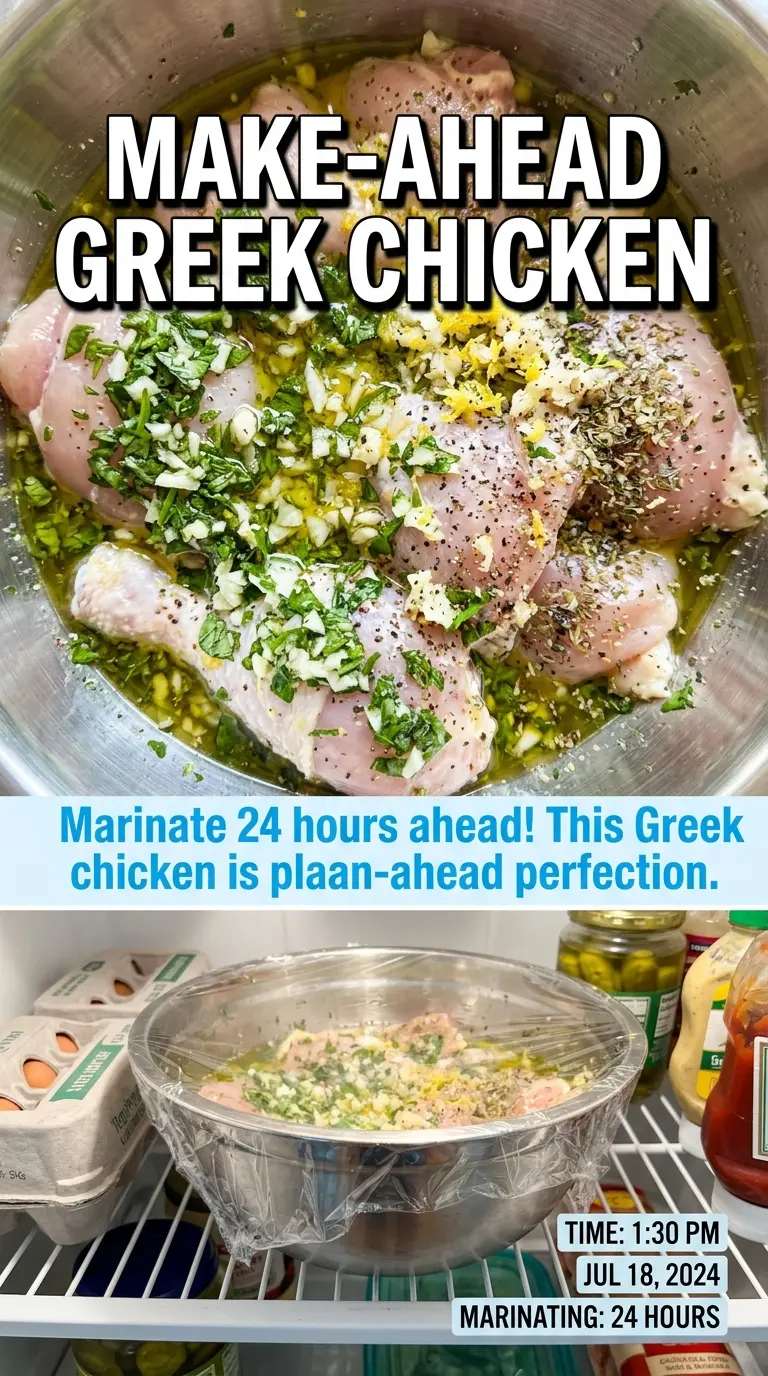
- Olive oil — This coats the chicken and helps the herbs cling to the surface. Use a decent extra-virgin olive oil if you can taste it in other dishes, but this doesn’t need your most expensive bottle.
- Lemon juice and zest — The juice brings the brightness, while the zest carries the strongest citrus aroma. If you skip the zest, the marinade tastes flatter and more one-note.
- Garlic — Fresh minced garlic gives the marinade its backbone. Garlic powder won’t hit the same way here because the raw garlic softens and perfumes the oil while the chicken marinates.
- Fresh oregano — Fresh oregano has a sharper, greener flavor that makes this taste distinctly Greek. Dried oregano still works well, but use less because it concentrates as it sits in the marinade.
- Thyme — Thyme rounds out the oregano and keeps the marinade from tasting too narrow. It’s subtle, but it fills in the gaps.
The Grill Marks, the Rest Time, and the Part People Rush
Whisking the Marinade Until It Looks Unified
Start by whisking the olive oil, lemon juice, zest, garlic, oregano, thyme, salt, and pepper until the mixture looks blended instead of separated in layers. The oil won’t fully emulsify, and that’s fine, but you want the garlic and herbs evenly distributed so every piece of chicken gets the same seasoning. If the salt goes in unevenly, the first pieces in the bowl end up tasting sharper than the rest.
Marinating Without Overdoing the Acid
Coat the chicken well and refrigerate it for at least 4 hours. A shallow bowl or zip-top bag both work, but turn the chicken once or twice so the marinade reaches every side. If you leave it much past 24 hours, the lemon starts to work against the texture instead of for it.
Grilling to the Right Internal Temperature
Set the grill to medium-high and cook the chicken until it reaches 165°F at the thickest point. You want clear grill marks and a little char at the edges, but not blackened spots that taste bitter. If the outside is darkening too fast, move the pieces to a cooler part of the grill so the center can finish without scorching the marinade.
Letting the Juices Settle Before Serving
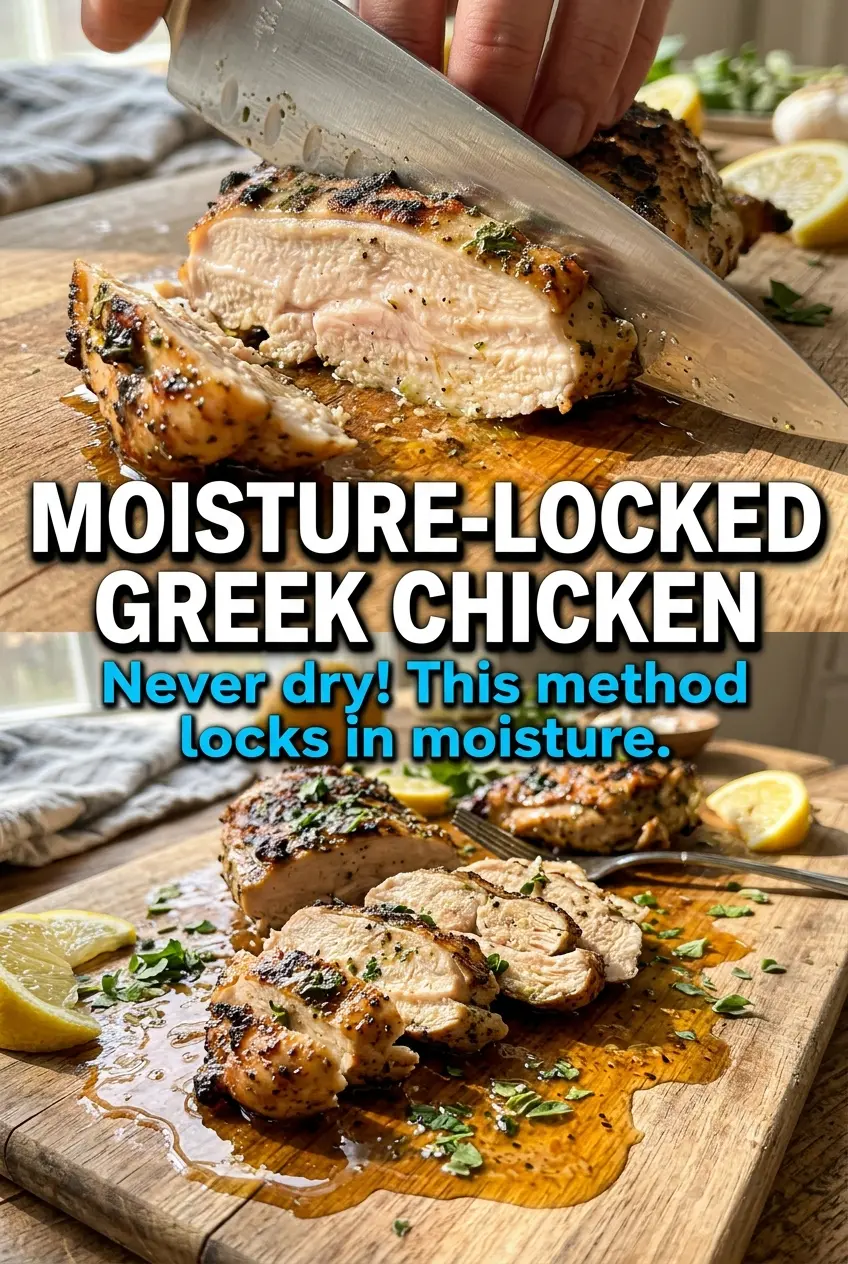
Rest the chicken for 5 minutes before slicing or serving. That short pause keeps the juices from running straight onto the cutting board the moment you cut in. If you skip the rest, the chicken can still taste good, but it won’t stay as moist on the plate.
How to Adjust This Chicken When You Need a Different Finish
Dairy-Free and Naturally Gluten-Free
This recipe already fits both of those needs as written, which is one reason it works so well for mixed crowds. Keep the marinade the same and serve it with rice, potatoes, or a simple salad, and you’ve got a full meal without changing the chicken at all.
Using Chicken Breasts Instead of Thighs
Chicken breasts work, but they need a little more attention because they dry out faster on the grill. Pound them to an even thickness or cut large breasts in half lengthwise so they finish at the same time and stay tender.
Cooking Indoors on a Grill Pan
A grill pan gives you the same browned edges and a good char pattern, though the smoke flavor will be lighter. Preheat the pan until it’s hot enough that the chicken sizzles on contact, then don’t move the pieces around before they release naturally.
Making It More Garlicky and Bold
If you want a stronger punch, add one extra clove of garlic and another pinch of oregano. That pushes the marinade toward a more assertive finish without changing the balance so much that the lemon gets lost.
Storage and Reheating
- Refrigerator: Store leftovers for up to 4 days. The chicken stays flavorful, though it will firm up a bit after chilling.
- Freezer: Freeze cooked chicken for up to 2 months in an airtight container. Slice it first if you want it to thaw and reheat more evenly.
- Reheating: Warm it gently in a covered skillet with a splash of water or broth over low heat. The common mistake is blasting it in the microwave or a hot pan until the outside dries out before the center is warm.
Questions I Get Asked About This Recipe
Juicy Greek Chicken
Ingredients
Equipment
Method
- Whisk together olive oil, lemon juice, lemon zest, garlic, oregano, thyme, salt, and pepper until the mixture is evenly combined and fragrant.
- Taste and adjust seasoning with more salt or pepper if needed before marinating.
- Coat chicken pieces with the marinade, then refrigerate for 4-24 hours so the flavors penetrate.
- Turn the chicken once during marinating if possible to keep it evenly coated.
- Preheat the grill to medium-high heat, then grill chicken until the internal temperature reaches 165°F.
- Remove chicken from the grill and let it rest for 5 minutes before serving so the juices redistribute.