Juicy grilled chicken starts long before it hits the grates, and this marinade is the reason the meat stays tender instead of drying out. The balance is what makes it work: salty soy sauce, bright lemon juice, a little Dijon, a touch of brown sugar, and enough garlic and herbs to make the chicken taste seasoned all the way through, not just on the surface.
The key is giving the chicken enough time to soak up the marinade without pushing it so far that the lemon starts to work against the texture. Four hours is the sweet spot for most cuts, and overnight is fine if you want a deeper savory bite. The oil helps the seasoning cling and keeps the grill heat from scorching the outside before the center is cooked through.
Below, I’ve included the little details that matter most: which chicken cuts handle the grill best, how to keep the marinade from turning the meat mushy, and what to watch for when the chicken is done. Those small choices are what turn a decent grilled chicken dinner into one you’ll make again.
The chicken came off the grill with the best char and stayed juicy even on the second day. I used thighs and the marinade caramelized beautifully without burning.
Marinated chicken with smoky grill marks and a juicy, tangy finish deserves a spot in your rotation.
The Marinade That Keeps Chicken Juicy on a Hot Grill
Most grilled chicken goes wrong for one of two reasons: the marinade is too aggressive, or the grill is too hot for the cut you chose. This version avoids both problems. The soy sauce and Worcestershire bring depth without making the chicken taste salty, while the lemon juice gives the marinade lift without turning the meat soft before it ever hits the fire.
The other important piece is sugar management. Brown sugar helps the chicken brown and caramelize, but too much heat will burn it before the inside cooks through. Medium-high heat gives you a good sear and clean grill marks without turning the outside black while the middle is still catching up.
What Each Ingredient Is Actually Doing in the Marinade
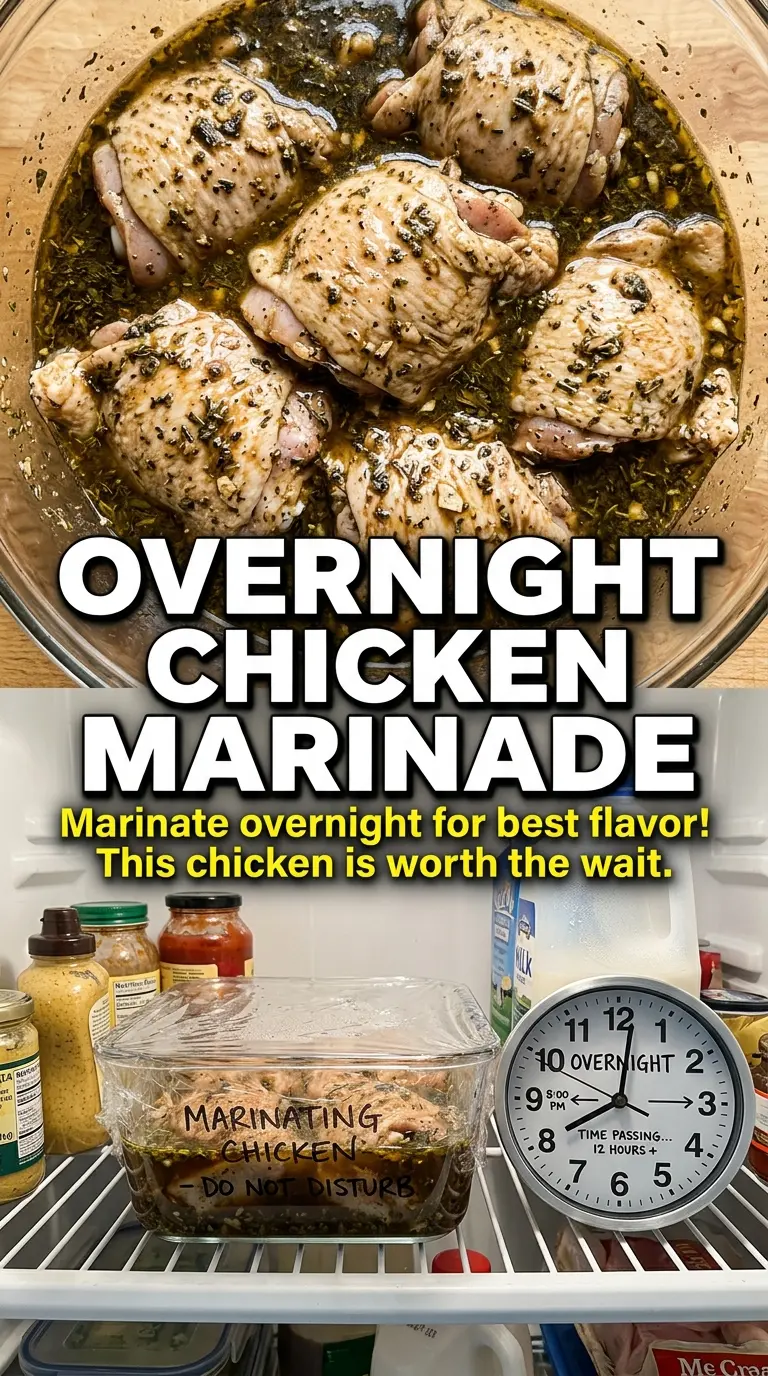
- Chicken — Thighs stay the juiciest and forgive a little overcooking, while breasts grill up leaner and faster. If you use mixed cuts, pull the smaller pieces first and let the larger ones finish to temperature.
- Olive oil — This carries the flavors and helps the marinade coat the meat evenly. It also helps prevent the surface from drying out over high heat, which matters more with chicken breasts than thighs.
- Soy sauce and Worcestershire sauce — These are the backbone of the savory flavor. You can use low-sodium soy sauce if that’s what you keep on hand, but don’t swap in something much sweeter or the marinade will lose balance.
- Lemon juice — This brightens everything and helps the chicken taste seasoned instead of flat. Fresh lemon juice gives the cleanest flavor; bottled juice works in a pinch, but it can taste sharper.
- Dijon mustard — Dijon helps emulsify the marinade so the oil and acid stay blended longer. Stone-ground mustard works if that’s what you have, but the texture will be a little less smooth.
- Brown sugar — This is what helps the chicken take on that glossy, lightly caramelized finish on the grill. If you cut it too much, the exterior browns less; if you add more, it can scorch.
- Garlic and dried herbs — Garlic gives the marinade its backbone, and the herbs round out the flavor so it tastes like a finished dish, not just seasoned meat. Fresh herbs can work, but use more of them and add them right before marinating so they stay vibrant.
How to Get the Best Grill Marks Without Drying Out the Chicken
Mix the Marinade Until It Looks Unified
Whisk the oil, soy sauce, lemon juice, Worcestershire, Dijon, brown sugar, garlic, pepper, and herbs until the mixture looks glossy and no sugar clumps are sitting at the bottom. If the sugar stays gritty, it won’t distribute evenly, and the first few pieces of chicken will taste more seasoned than the rest. A bowl and whisk work fine, but a jar with a tight lid makes it easy to shake everything together fast.
Let the Chicken Marinate in a Bag, Not a Bowl
A zip-top bag keeps the chicken coated with less marinade, which means better contact and more even seasoning. Press out the air before sealing so the liquid wraps around the meat instead of pooling underneath it. Four hours gives you a strong flavor payoff without changing the texture too much; if you leave it much past 24 hours, the lemon can start to work the outer layer of the chicken in a way that feels soft.
Use Medium-High Heat and Don’t Rush the Flip
Preheat the grill until it’s hot enough that the grates sizzle when the chicken goes down. Put the pieces on and leave them alone until they release cleanly; if they stick hard, they’re not ready to turn yet. Chicken breasts usually need a gentler watch than thighs because they go from perfect to dry faster, so use temperature as your guide, not just color.
Rest the Chicken Before Serving
Pull the chicken when it reaches 165°F at the thickest point, then let it sit for 5 to 10 minutes before slicing. That short rest keeps the juices from spilling out the second you cut into it. If you slice too early, even perfectly grilled chicken can seem dry because the juices haven’t had time to settle back into the meat.
How to Adapt This Grilled Chicken Marinade for Different Cuts and Diets
Chicken Thighs for the Juiciest Result
Thighs are the easiest cut for this marinade because they stay moist even if your grill runs a little hotter than expected. They also handle the sweet-and-savory coating well, since the extra fat carries the flavor and helps the edges caramelize instead of drying out.
Chicken Breasts Without the Dry, Chalky Bite
Breasts work well here if you pound them to an even thickness so they cook at the same rate across the whole piece. Keep a close eye on the thermometer and pull them as soon as they hit 165°F, because breast meat doesn’t give you much forgiveness once it passes that point.
Gluten-Free Version That Still Tastes Full
Use a certified gluten-free soy sauce or tamari and a gluten-free Worcestershire sauce. The flavor stays savory and layered, and you won’t lose the salty backbone that makes the marinade taste complete.
Lower-Sugar Marinade for a Less Sweet Finish
Cut the brown sugar down to 1 tablespoon if you want a less noticeable sweet note. The chicken will still brown, just a little less dramatically, and the lemon and Dijon will come through more clearly.
Storage and Reheating
- Refrigerator: Store cooked chicken in an airtight container for up to 4 days. It stays tender, though the grilled edges soften a bit.
- Freezer: Freeze cooked chicken for up to 3 months, wrapped well to protect it from freezer burn. Slice it before freezing if you want faster thawing later.
- Reheating: Warm it gently in a covered skillet over low heat with a splash of water, broth, or extra pan juices. High heat dries out grilled chicken fast, especially breast meat, so keep the lid on and stop as soon as it’s hot.
The Questions I Get Asked About This Grilled Chicken Marinade

The Best Ever Grilled Chicken Marinade
Ingredients
Method
- Whisk together the olive oil, soy sauce, lemon juice, Worcestershire sauce, Dijon mustard, minced garlic, brown sugar, black pepper, and dried herbs until fully combined and glossy. Keep whisking until the sugar dissolves and the color looks evenly uniform.
- Place the chicken in a large zip-top bag and pour the marinade over the chicken. Squeeze out excess air and press the marinade so it coats the chicken on all sides.
- Marinate in the refrigerator for 4-24 hours for best results. For visual cue, pause midway if you can and gently turn the bag so the chicken stays evenly coated.
- Preheat the grill to medium-high heat. Aim for a steady sizzle when you place a drip of marinade on the grate.
- Grill the chicken until the internal temperature reaches 165°F, timing varies by cut. Flip as needed and look for clear grill marks and no pink near the thickest part.
- Let the chicken rest for 5-10 minutes before serving. Rest until juices settle and the surface looks less wet, then slice or serve.