Steak, peppers, onions, mushrooms, and melted provolone all steam together in one tight foil packet, and that is what makes these Philly cheese steak foil packet dinners such a smart weeknight move. The steak stays tender, the vegetables soften without turning mushy, and the cheese melts right over the top instead of disappearing into the grill grates. You get the same bold, savory comfort you’d expect from a cheesesteak, just with almost no cleanup.
The trick is slicing the steak thin enough that it cooks through in the same window as the vegetables. Sirloin works well because it stays meaty and flavorful, and a little Worcestershire sauce gives the filling that deep, steakhouse-style edge without needing a separate sauce. Heavy-duty foil matters here, too. Thin foil can split once the packets start sizzling, and that’s the fastest way to lose all the juices that make the filling taste so good.
Below, I’ve included the small details that keep the packets sealed, the cheese properly melted, and the vegetables tender instead of watery. I’ve also added a few smart swaps for using what you have on hand without losing the spirit of the dish.
The steak stayed juicy and the peppers had just enough bite. I was worried the cheese would disappear, but it melted perfectly over everything and the packets were done right at 20 minutes.
Keep these Philly cheese steak foil packet dinners on hand for a fast grilled meal with tender steak, melty provolone, and almost no cleanup.
The Packet Seal That Keeps the Steak Juicy Instead of Steaming It Dry
Foil packets work best when they trap steam just long enough to cook everything through, but not so loosely that the liquid escapes before the cheese melts. The biggest mistake is leaving gaps in the seal or piling the filling too high in the center. That creates uneven cooking, with dry edges and a soggy middle.
Spread the ingredients in an even layer so the steak and vegetables cook at the same pace. The packets should puff slightly on the grill, and that puff tells you the steam is doing its job. If you hear a lot of liquid bubbling out, the seam wasn’t sealed tightly enough or the foil tore while flipping.
What Each Ingredient Is Doing in These Cheesesteak Packets
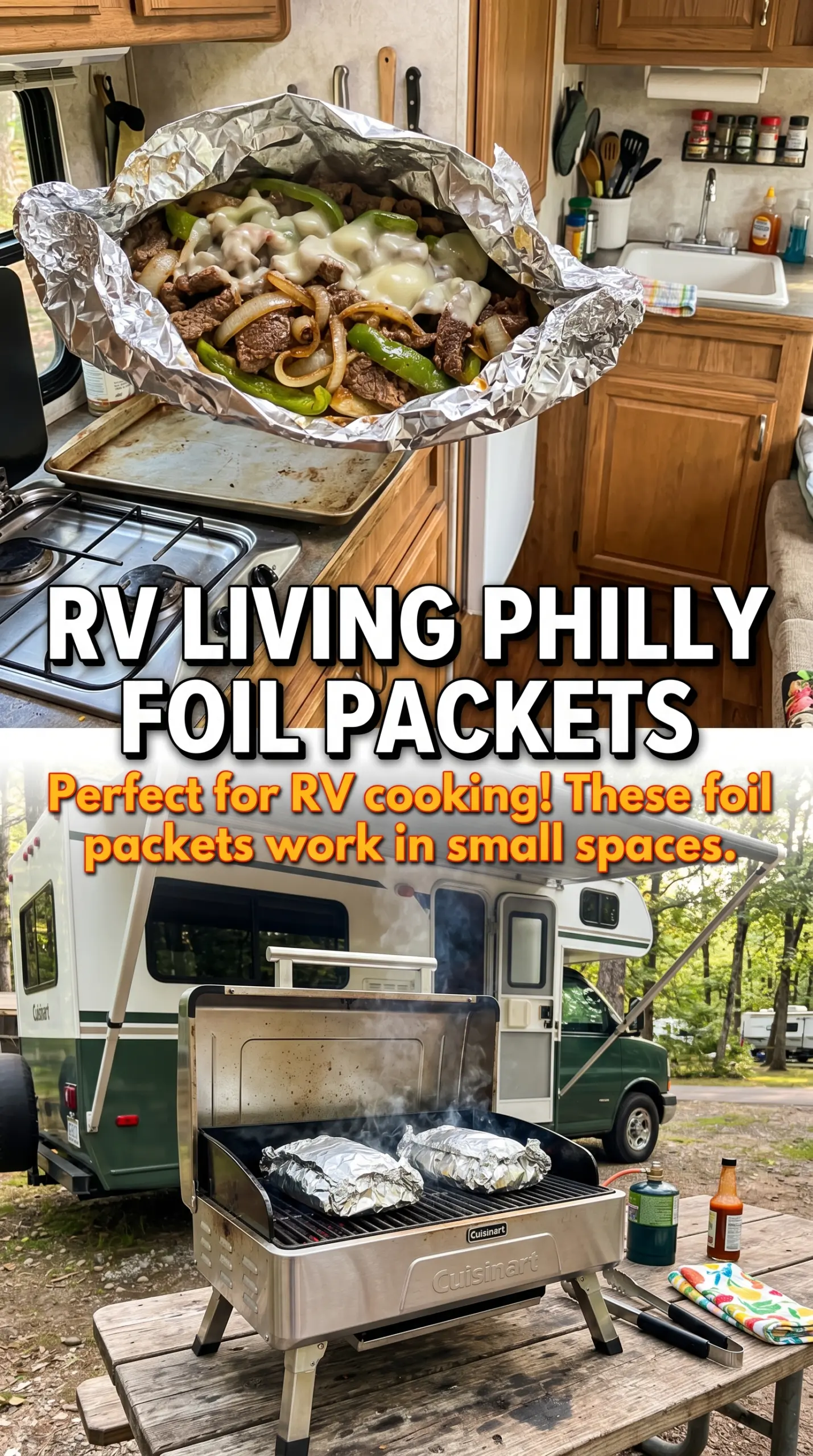
- Sirloin steak — Thinly sliced sirloin gives you the best balance of tenderness and beefy flavor. Ribeye is richer if you want a more classic cheesesteak feel, while flank steak works if you slice it very thin across the grain. Anything thick-cut will lag behind the vegetables and end up chewy.
- Bell peppers, onion, and mushrooms — These vegetables bring sweetness, moisture, and a little earthiness that rounds out the filling. Slice them thin so they soften in the same time as the steak cooks. If you skip the mushrooms, add a little more onion so the packets still have enough juiciness.
- Provolone cheese — Provolone melts cleanly and stays creamy without getting greasy. That matters here because the cheese sits on top of the hot filling and finishes the packet, not just the sandwich. White American or mozzarella will melt too, but the flavor will shift away from a cheesesteak.
- Worcestershire sauce — This is the ingredient that gives the filling its savory backbone. It seasons the meat fast and adds a little tang without making the packets wet. If you need a substitute, use soy sauce in a smaller amount plus a splash of vinegar, but the flavor will be less rounded.
- Heavy-duty foil — This is one place where the better option matters. Thin foil is more likely to split when you flip the packets, especially once the cheese melts and the filling gets heavy. Double-layering regular foil works in a pinch, but heavy-duty foil is safer.
The 20 Minutes That Actually Matter on the Grill
Building the Filling Evenly
Divide the steak and vegetables into four portions before you start folding. That keeps the packets cooking at the same rate and prevents one from overfilling while another ends up skimpy. Drizzle each portion with olive oil and Worcestershire sauce, then season lightly so the meat and vegetables taste seasoned all the way through. The filling should look coated, not soupy.
Folding Tight Enough to Trap Steam
Bring the foil up and over the filling, then crimp the edges firmly to form a sealed packet. Leave a little room above the ingredients so steam can circulate inside. If the foil is wrapped too tightly against the cheese, the top can stick to the melted provolone and tear when you open it. A good packet feels snug but not crushed.
Grilling to the Right Doneness
Cook the packets over medium heat for 18 to 20 minutes, flipping them halfway through. That flip helps the steak cook evenly and keeps the vegetables from scorching on one side. When the packets are done, they should feel hot and slightly puffed, with the peppers tender and the steak just cooked through. Open them carefully because the steam is intense and the cheese will be molten.
Serving Before the Cheese Sets
Serve the packets right away, either tucked into hoagie rolls or eaten straight from the foil. Once the packets sit, the cheese firms up fast and the vegetables lose that fresh, steamy texture. If you’re using rolls, split them first so you can lift the filling in while everything is still hot and juicy.
Three Smart Ways to Adapt These Philly Cheese Steak Foil Packets
Dairy-Free Version
Leave off the provolone and serve the packets as-is, or add a dairy-free melting cheese near the end if you use one you already trust. The filling still tastes complete because the steak, Worcestershire, and vegetables carry the flavor. You lose the creamy top layer, but the packets stay hearty and satisfying.
Low-Carb Serving Style
Skip the hoagie rolls and serve the filling straight from the foil or spoon it over cauliflower rice. That keeps the meal in the same flavor lane without the bread. The foil-packet juices become the sauce, which is exactly why this version works so well on its own.
Swap the Steak Cut
Ribeye gives you a richer, more traditional cheesesteak bite, while flank steak works if you slice it very thin and keep the cook time tight. If you use a leaner cut, don’t overcook it, because foil packets can push lean beef from tender to dry fast. The thinner the slice, the better the result.
Storage and Reheating
- Refrigerator: Store leftovers in an airtight container for up to 3 days. The vegetables soften a bit more, but the flavor stays good.
- Freezer: The cooked filling freezes, though the peppers and onions will be softer after thawing. Freeze in a sealed container for up to 2 months, then thaw overnight in the fridge.
- Reheating: Warm gently in a skillet over medium-low heat or in the oven at 325°F until hot. High heat dries out the steak quickly, so keep the reheat slow and covered if possible.
Answers to the Questions Worth Asking
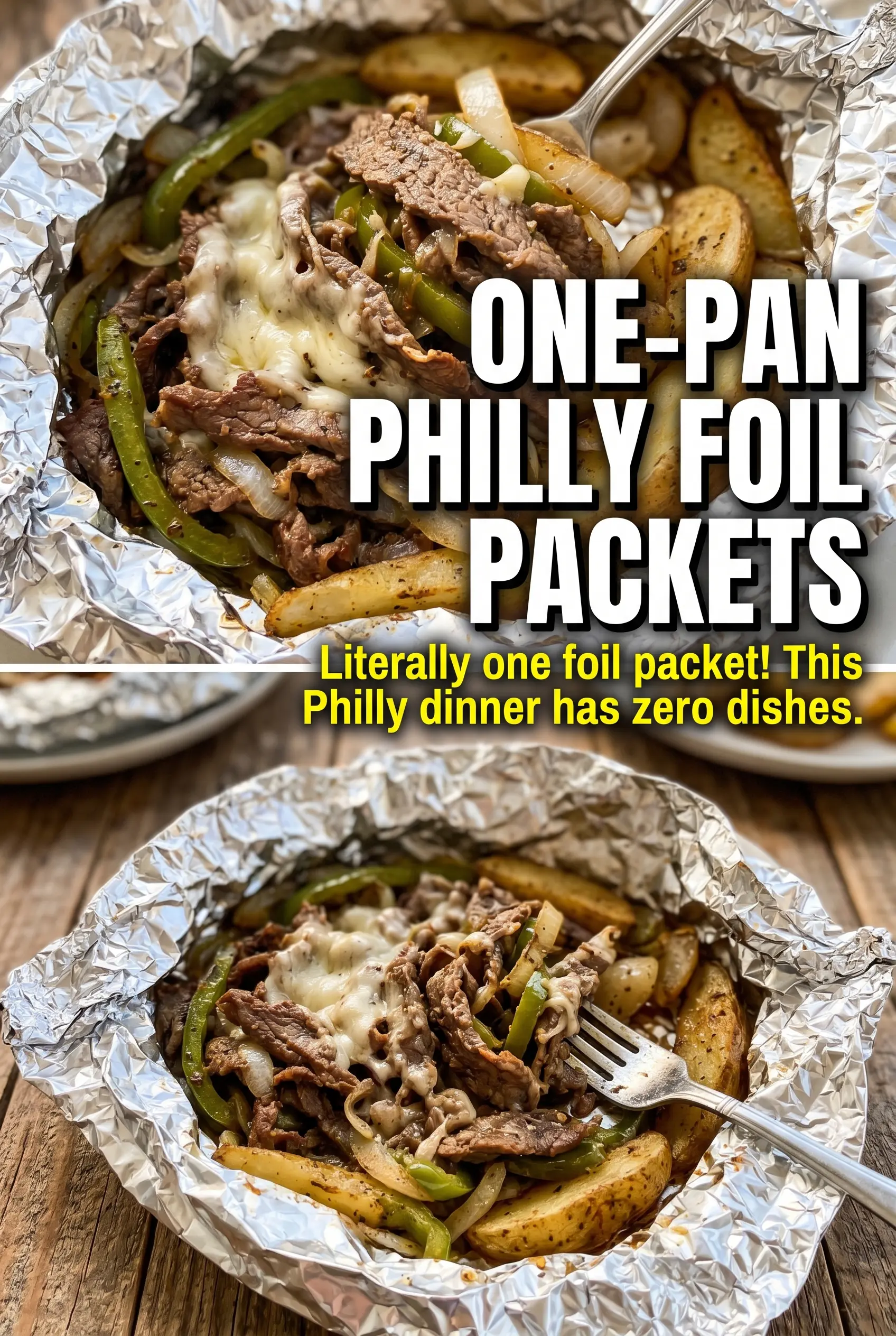
Philly Cheese Steak Foil Packet Dinners
Ingredients
Equipment
Method
- Divide the thinly sliced steak, sliced bell peppers, sliced onion, and sliced mushrooms among 4 large sheets of heavy-duty foil. Spread into an even layer on each foil sheet.
- Drizzle each packet with olive oil and Worcestershire sauce. Add a steady drizzle so the filling looks glossy.
- Sprinkle garlic powder, salt, and pepper over each packet. Season until the top surfaces are visibly dusted.
- Top each packet with 2 slices of provolone cheese. Arrange the cheese so it covers the filling in a single layer.
- Fold the foil into sealed packets, pressing the seams closed to trap steam. Make sure there are no gaps along the edges.
- Grill the packets over medium heat for 18-20 minutes, flipping halfway. You should see steam billowing from the edges when you open a seam slightly.
- Carefully open the packets and serve immediately. The filling should be piping hot with melted cheese stretching over the steak and vegetables.
- Serve the packet contents in hoagie rolls or as-is. If using rolls, fill while the cheese is melted and the vegetables are tender.