Perfectly grilled salmon should come off the grates with crisp skin, clean grill marks, and flesh that flakes in big moist pieces instead of drying out at the edges. The trick is letting the skin do most of the work. Once it’s oiled and placed skin-side down on a properly heated grill, it protects the fish, holds it together, and gives you that deep savory flavor that makes grilled salmon worth firing up the grill for.
This version keeps the seasoning simple on purpose. Olive oil carries the heat, lemon juice brightens the fish without overpowering it, and Dijon adds just enough backbone to keep the marinade from tasting flat. The short 15-minute rest is long enough to season the surface without turning the salmon soft or mushy, which can happen if acid sits on fish too long.
Below, I’ll walk through the one part that matters most on the grill, the ingredient choices that actually affect texture, and the small timing details that keep salmon tender instead of overcooked.
The skin crisped up beautifully and the salmon stayed tender in the middle. I usually overcook fish on the grill, but the 6 minutes skin-side down was spot on.
Save this grilled salmon with crispy skin and lemon-dill finish for the nights when you want a fast main dish that still tastes polished.
The Real Reason Salmon Sticks to the Grill
Salmon usually sticks for two reasons: the grill isn’t hot enough, or the fish is moved before the skin has had time to set. When the skin first hits the grates, it needs a few minutes to firm up and release on its own. If you try to flip too early, the skin tears and the flesh starts to fall apart.
The other mistake is crowding in a wet, under-oiled fillet. The marinade here is thin enough to season the surface without leaving a heavy coating that burns, and the salmon gets a quick brush of oil before it goes on the grill. That layer matters more than people think. It helps the skin crisp instead of welding itself to the metal.
- Medium-high heat gives the skin enough direct contact to crisp before the inside overcooks.
- Skin-on fillets hold together better than skinless salmon and are much easier to grill cleanly.
- Oiled grates are non-negotiable. If the grates aren’t lightly coated, even a well-prepped fillet can cling.
What Each Ingredient Is Actually Doing in This Dish
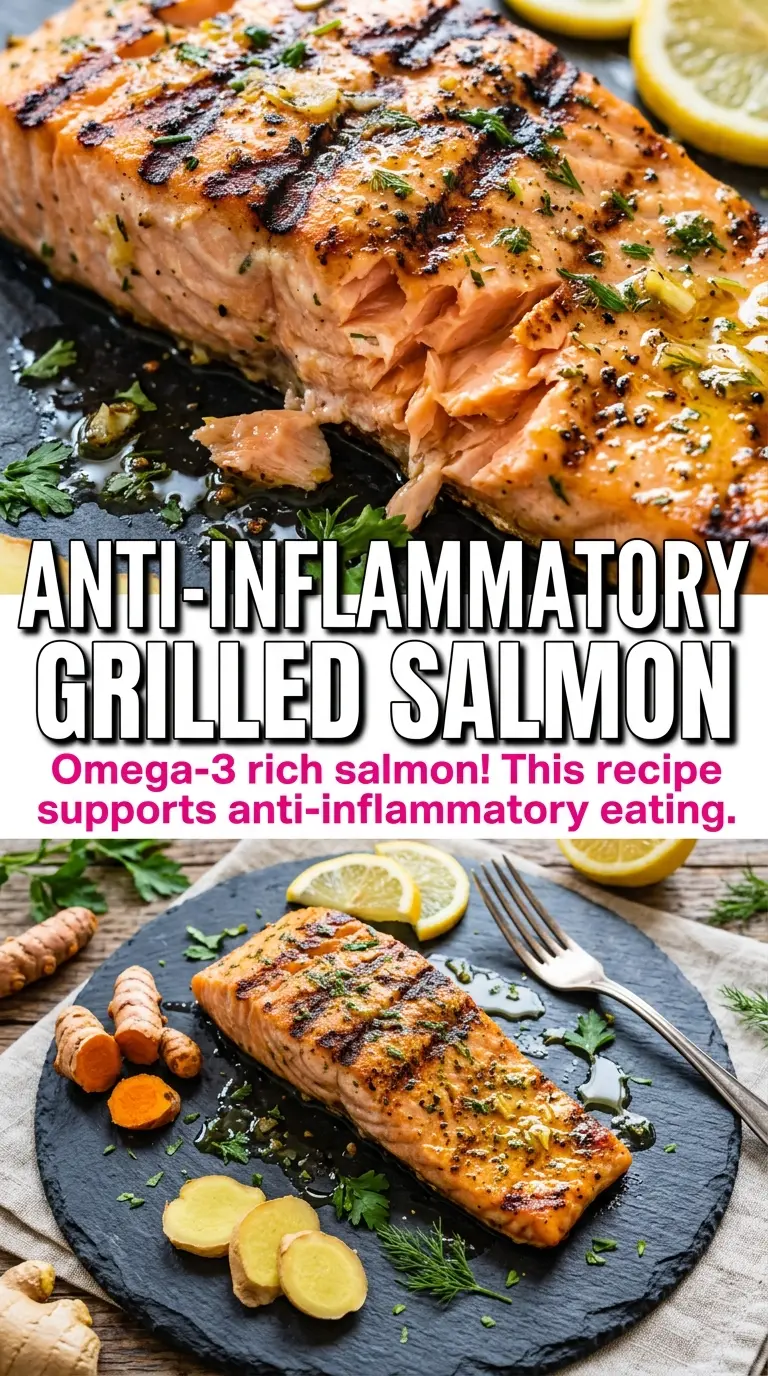
- Salmon fillets — Skin-on fillets are the right choice here because the skin protects the delicate flesh from the grill’s direct heat. If you use skinless salmon, cut the grill time down and expect a little less forgiveness.
- Olive oil — This helps the marinade coat evenly and keeps the fish from drying out on the grates. A standard everyday olive oil works fine; save the expensive finishing oil for the plate.
- Lemon juice — The acid brightens the fish and lifts the richness of the salmon. Don’t marinate much longer than 15 minutes or the surface can start to turn soft.
- Dijon mustard — Dijon adds depth and helps the marinade cling. You won’t taste mustard in a loud way, but you would miss it if it were gone.
- Garlic — Fresh minced garlic brings sharpness and aroma. Keep the pieces small so they don’t burn on the grill and turn bitter.
- Fresh dill and lemon wedges — These are the finish that makes the salmon taste fresh, not heavy. Dill is especially good with grilled fish because it echoes the lemon without fighting it.
Grilling the Salmon Without Overcooking the Center
Mixing the Marinade
Stir the olive oil, lemon juice, garlic, Dijon, salt, and pepper until the mustard disappears into the oil. The mixture should look glossy and loose, not thick like a sauce. Brush it over the salmon rather than soaking the fish in a bowl, because a thin coating seasons the surface without softening it too much.
Letting the Salmon Rest Briefly
Give the fish 15 minutes at room temperature with the marinade on it. That short rest is enough to season the surface and take the chill off the fillets, which helps them cook more evenly. If you leave it much longer, the lemon starts doing the work of a cure and the texture changes in a way you don’t want for grilling.
Setting Up the Grill
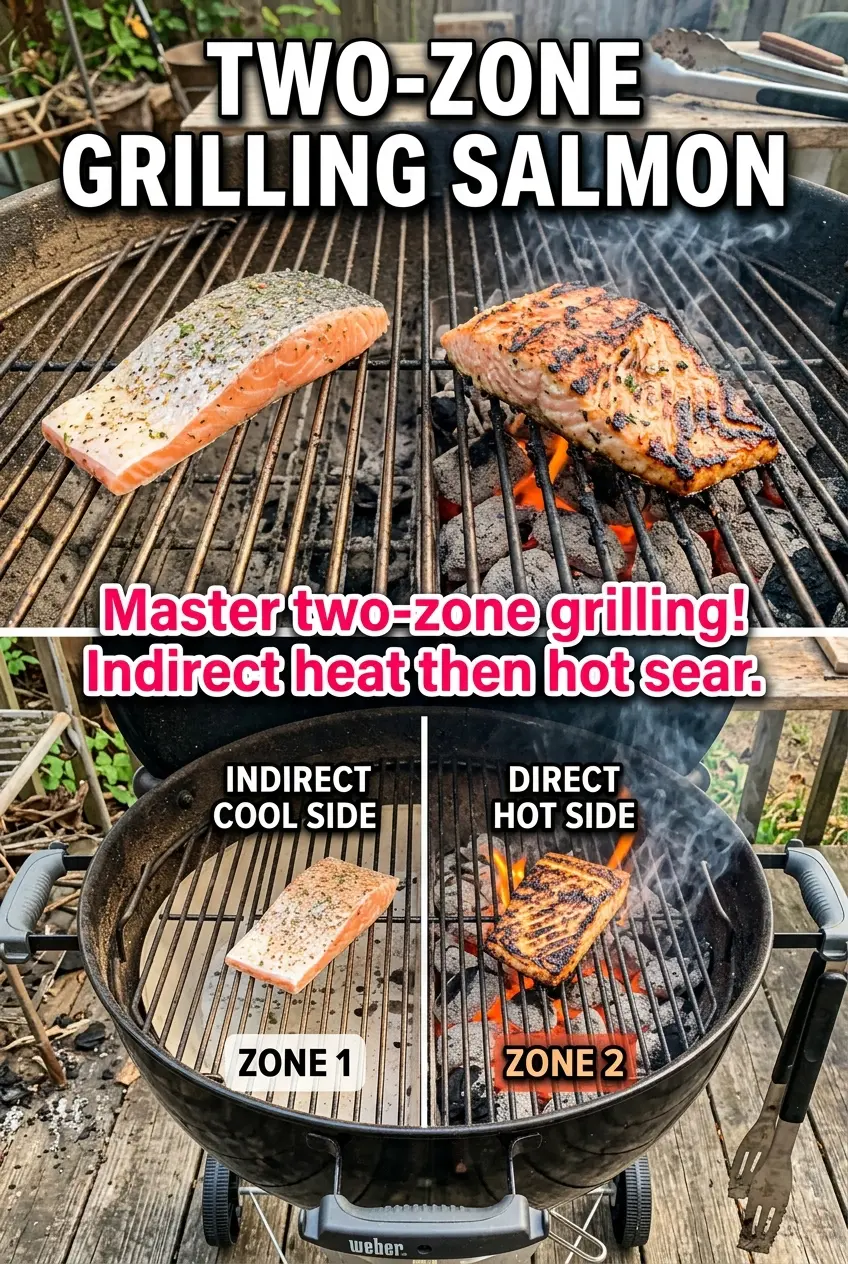
Preheat the grill to medium-high and oil the grates well. You want the grates hot enough that the salmon sizzles as soon as it lands. If the grates look dry, the skin is much more likely to stick, even if the fish itself was brushed with oil.
Cooking Skin-Side Down
Lay the salmon skin-side down and don’t move it for 6 to 8 minutes. The skin will crisp and the flesh will turn from translucent to opaque about halfway up the fillet. If you can lift a corner and it releases cleanly, it’s ready to turn; if not, give it another minute.
Finishing the Top Side
Flip carefully and cook for 2 to 3 minutes more, just until the fish is done to your liking. The center should still look slightly glossy when you pull it off the grill, because carryover heat finishes the job as it rests. If you wait until it looks completely dry in the pan, it’s already past the sweet spot.
Lemon-Herb Finish
Add more fresh dill, extra lemon zest, or a squeeze of lemon right before serving if you want a brighter finish. This keeps the grilled flavor front and center while making the plate taste fresher and lighter.
Dairy-Free and Naturally Gluten-Free
The recipe already fits both diets as written. Just check your Dijon label if you’re strict about gluten, since some brands use additives you may want to avoid.
Skinless Salmon in a Pinch
Skinless fillets will cook faster and need a gentler hand. Oil the grates well, cut the first side by a minute or two, and use a wide spatula so the fish doesn’t split when you flip it.
For a Crowd
Double the marinade and grill in batches instead of piling the salmon onto the grate at once. Crowding drops the heat fast and steams the fish, which takes away the crisp skin you’re working for.
Storage and Reheating
- Refrigerator: Store leftovers in an airtight container for up to 3 days. The skin softens, but the salmon stays good for bowls, salads, or pasta.
- Freezer: Freeze cooked salmon only if you need to. Wrap tightly and freeze for up to 2 months, though the texture will be a little less delicate after thawing.
- Reheating: Warm gently in a covered skillet over low heat or in a 300°F oven until just heated through. The common mistake is blasting it in the microwave, which dries the edges and makes the fish smell stronger than it should.
Questions I Get Asked About This Recipe
The Best Grilled Salmon
Ingredients
Equipment
Method
- In a small bowl, mix olive oil, lemon juice, garlic, Dijon mustard, salt, and pepper until smooth and evenly combined.
- Brush the marinade all over the salmon fillets, making sure the skin is coated.
- Let the salmon marinate for 15 minutes at room temperature so the flavors cling to the surface.
- Preheat the grill to medium-high heat and oil the grates well so the skin releases easily.
- Place the salmon skin-side down on the grill and grill for 6-8 minutes without moving, until you see defined grill marks and the skin looks crisp.
- Carefully flip the salmon and grill for 2-3 minutes until cooked to your desired doneness and the flesh flakes easily with gentle pressure.
- Transfer to plates and serve immediately with fresh dill and lemon wedges for brightness.