Grilled zucchini turns from plain and watery to smoky, tender, and deeply savory when it gets a proper balsamic marinade and enough heat to caramelize the edges. The payoff is those glossy mahogany stripes that cling to the planks instead of sliding off the moment the vegetables hit the plate. A good version tastes balanced, not sour or sweet, with enough garlic and herbs to keep each bite interesting.
The trick is giving the zucchini time to soak up the marinade without drowning it. Zucchini holds a lot of water, so a short rest works better than a long soak. The balsamic needs to be brushed on at the right time, too; too early and it can burn, too late and you miss that sticky finish that makes this side dish worth repeating.
Below, I’m walking through the grill timing that gives you real color instead of soft gray zucchini, plus a couple of easy ways to adapt it for whatever you’ve got on hand.
The zucchini stayed tender with real grill marks, and the balsamic got sticky instead of watery. I brushed on the extra marinade at the end like you said and it tasted like something from a nice Italian restaurant.
Like the sticky balsamic glaze on these grilled zucchini planks? Save it to Pinterest for easy summer sides that turn out smoky and caramelized every time.
The Trick to Getting Zucchini on the Grill Without It Turning Soft
Zucchini fails on the grill for two predictable reasons: it’s cut too thin, or it sits too long and starts weeping before it ever hits the flames. Thick planks hold their shape, give you enough surface area for browning, and stay tender instead of collapsing. That 20-minute rest is enough to season the vegetables and build flavor without turning the bowl into a puddle.
The other key move is managing the balsamic so it caramelizes instead of scorching. Balsamic vinegar has sugar in it, and sugar burns fast over high heat. That’s why the marinade gets brushed on, then reinforced during the last minute of grilling, when the zucchini is already mostly cooked and ready to take on that sticky finish.
- Zucchini — medium zucchini works best because it’s firm enough to slice into planks that won’t fall through the grates. If yours are extra large, remove the seedy center or you’ll end up with softer slices that slump on the grill.
- Balsamic vinegar — this is the backbone of the glaze, so use one that tastes balanced rather than harsh. A cheap bottle works here, but if yours is very thin and sharp, the finished dish will taste less rounded.
- Honey — it helps the marinade cling and gives the balsamic enough sugar to caramelize. Maple syrup can stand in, though it brings a deeper, more earthy sweetness.
- Olive oil — don’t skip it. Oil helps the zucchini brown instead of steaming and keeps the garlic from burning too quickly on the grates.
- Fresh basil and parmesan — these finish the dish after grilling, where they can stay bright and fresh. The basil adds lift, and the parmesan gives a salty contrast that makes the balsamic taste even richer.
What Each Ingredient Is Actually Doing in This Grilled Zucchini
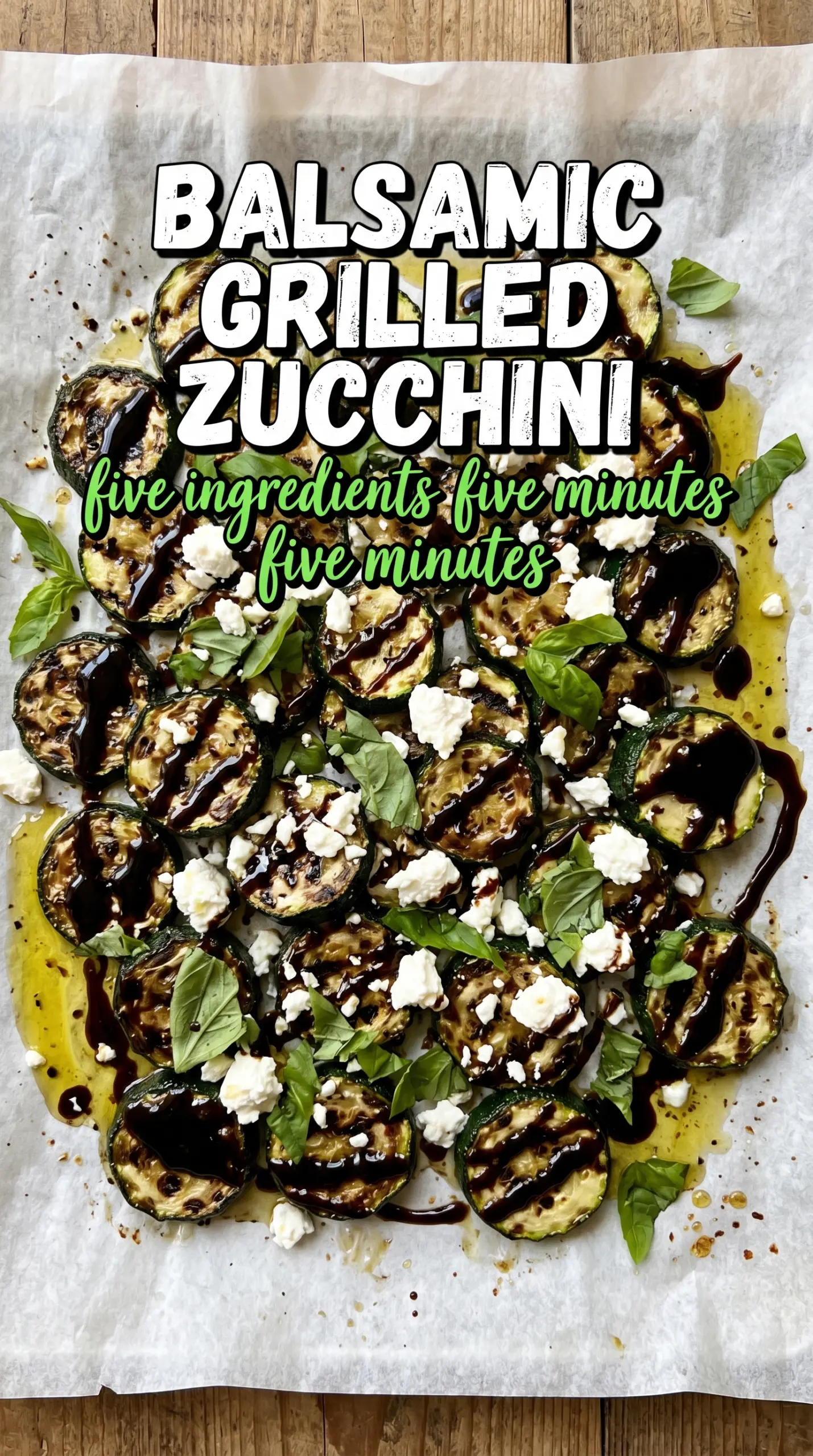
- Zucchini (the vegetable base) — Slice lengthwise or into spears. Pat completely dry so it grills instead of steams.
- Oil (the grilling medium) — High-heat oil essential for grill marks and caramelization. Brush on zucchini directly.
- Salt and pepper (the base seasoning) — Apply generously before grilling. Builds flavor foundation.
- Garlic (the aromatics) — Mince fine or use powder so it sticks. Creates flavor depth.
- Acid (lemon, balsamic, or vinegar) — This brightens and prevents flatness. Drizzle after grilling.
- Optional cheese (feta or parmesan) — Adds richness and umami. Crumble or grate over warm zucchini.
- Fresh herbs (basil, oregano, or mint) — These add freshness and aroma. Add after cooking so they stay bright.
- High grill heat (medium-high to high) — Creates grill marks and caramelization. Don’t move too much.
How to Build the Glaze So It Caramelizes Instead of Burning
Whisking the Marinade
Start by whisking the olive oil, balsamic vinegar, garlic, honey, Italian herbs, salt, and pepper until the honey loosens into the mixture and the marinade looks unified, not separated. If the honey sits in streaks, the zucchini won’t season evenly. The garlic should be minced fine so it doesn’t scorch into bitter little bits on the grill.
Coating and Resting the Zucchini
Brush the zucchini generously with the marinade and let it sit for 20 minutes. That short rest gives the salt time to season the flesh and the vinegar time to sink in just enough. Don’t leave it much longer or the zucchini starts to release too much moisture and loses the clean grill marks you want.
Grilling Over Medium-High Heat
Oil the grates before the zucchini goes on, then lay the planks down and leave them alone until the first side releases cleanly. You’re looking for deep marks and edges that look a little softened, not collapsed. If they stick, they need another 30 to 60 seconds; forcing them off tears the surface and leaves the glaze behind.
Finishing With the Last Brush of Marinade
Brush on the extra marinade during the final minute so it thickens and clings instead of burning off. That’s when the balsamic turns sticky and glossy and the grill marks look dark against the surface. Pull the zucchini off as soon as it’s tender but still holds its shape, then add basil and parmesan while the heat is still enough to soften the cheese slightly.
Dairy-Free and Still Finished Well
Skip the parmesan and finish with extra basil and a pinch of flaky salt. The zucchini still gets plenty of contrast from the tangy glaze, and you lose none of the grill flavor. If you want a little more richness, add a drizzle of good olive oil right before serving.
No Grill, No Problem
Use a hot grill pan or cast-iron skillet on the stovetop and cook the planks in batches. You’ll still get browning, though the marks will be more uniform and less smoky than an outdoor grill. Keep the heat at medium-high and don’t crowd the pan or the zucchini will steam.
Make It a Little Sweeter or a Little Sharper
Add another teaspoon of honey for a glaze that leans sweet, or swap part of the balsamic for red wine vinegar if you want more bite. Both changes work because the marinade is small and balanced, so tiny shifts make a noticeable difference without breaking the dish.
Storage and Reheating
- Refrigerator: Store leftovers in an airtight container for up to 3 days. The zucchini softens a bit as it sits, but the glaze still tastes good cold or at room temperature.
- Freezer: I don’t recommend freezing it. Zucchini turns watery and mushy after thawing, and the grilled texture is the whole point of the dish.
- Reheating: Warm it in a skillet over medium heat or in a hot oven for a few minutes. The common mistake is microwaving until steaming, which wipes out the char and leaves the zucchini limp.
Answers to the Questions Worth Asking
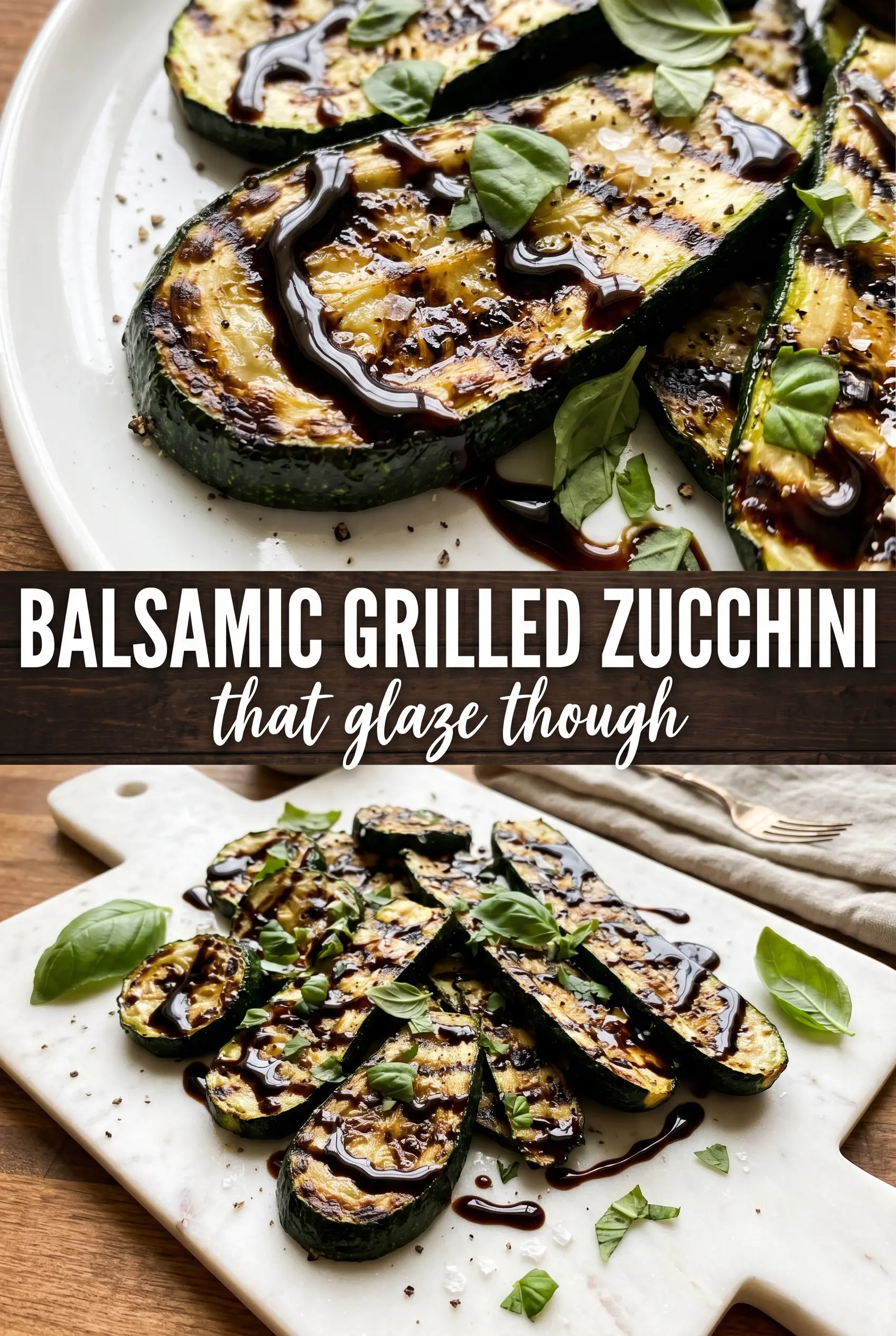
Balsamic Grilled Zucchini
Ingredients
Equipment
Method
- Whisk olive oil, balsamic vinegar, minced garlic, honey, dried Italian herbs, salt, and black pepper together until smooth and combined.
- Brush the zucchini generously with the balsamic marinade and let sit for 20 minutes so it soaks in.
- Preheat the grill to medium-high and oil the grates.
- Grill the zucchini for 3–4 minutes per side until deep grill marks form and the balsamic caramelizes.
- During the last minute of grilling, brush the zucchini with extra marinade to build a glossy coating.
- Arrange the zucchini on a platter and drizzle any remaining marinade over.
- Top with torn fresh basil and parmesan shavings right before serving.