Foil packet fish comes off the heat tender, flaky, and scented with lemon and herbs, with the vegetables steamed just enough to stay bright instead of turning soft and soggy. The whole packet feels a little old-school in the best way: minimal cleanup, no babysitting, and dinner that tastes like it took more effort than it did.
What makes this version work is the balance inside the packet. A small pat of butter melts with the garlic and herbs, then the lemon slices steam the fish from the top while the zucchini and bell pepper cook in the juices below. Heavy-duty foil matters here because a flimsy sheet can tear when you fold the seams or move the packet over the grate.
Below, I’ve included the one timing cue that matters most, plus a few smart swaps for different fish and different cooking setups. Once you’ve made it once, the method becomes second nature.
The fish stayed incredibly flaky and the zucchini didn’t turn mushy. I checked the packet at 15 minutes and it was perfect with the lemon and butter running through everything.
Foil Packet Fish for flaky fish, lemony steam, and an easy campfire dinner with almost no cleanup.
The Part That Keeps the Fish from Overcooking on the Grate
The biggest mistake with foil packet fish is opening the packet too early to check on it. Every peek lets out steam, and steam is what cooks the fish gently while keeping the vegetables tender. Seal the packet well, then trust the time and the thickness of the fillet. Thin pieces like tilapia can be done close to the 15-minute mark, while thicker salmon may need the full 20 minutes.
The other thing that matters is heat control. Medium heat gives you enough energy to cook through without scorching the foil or drying out the edges. If the grate is running hot enough to blacken the foil in minutes, move the packets to a cooler spot before the fish has a chance to seize up and turn chalky.
What the Lemon, Butter, and Foil Are Each Doing Here
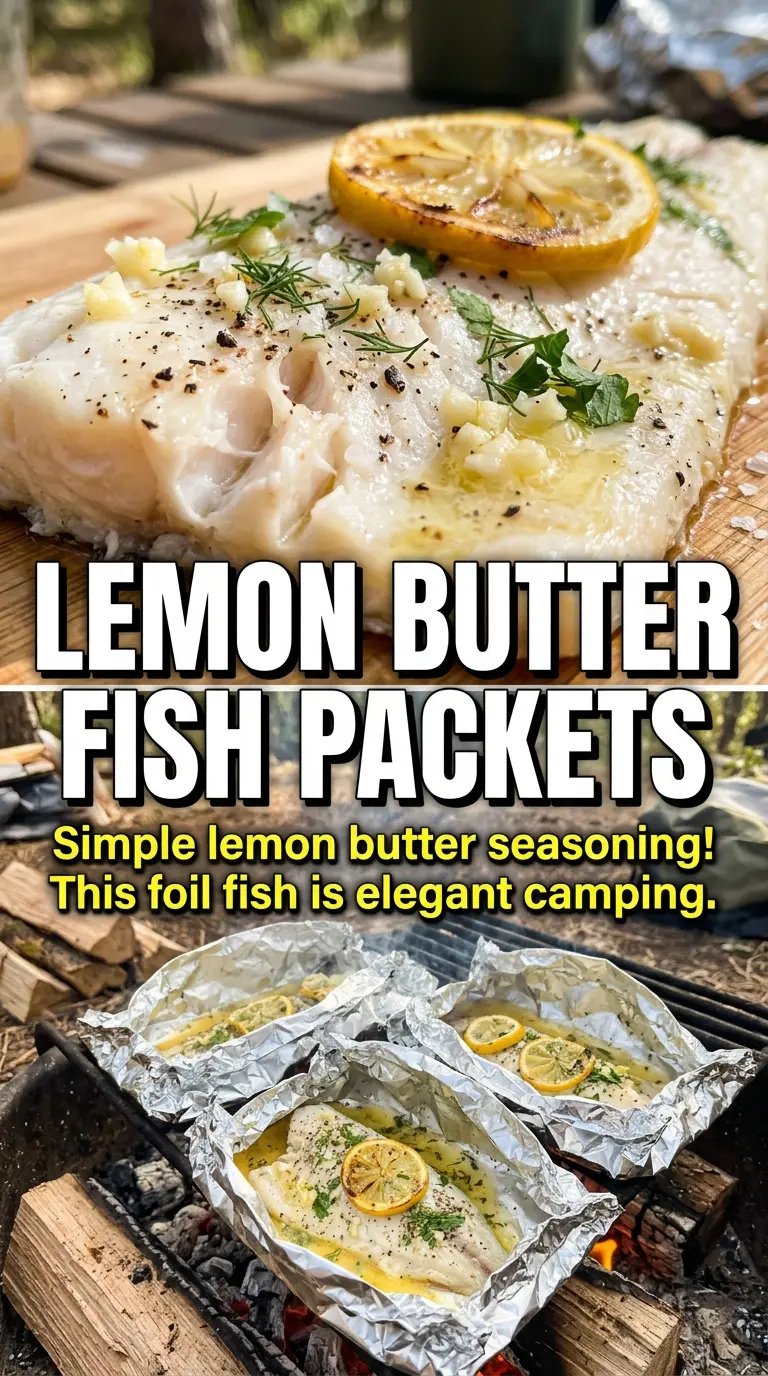
- Fish fillets — Salmon gives you the richest result, trout lands in the middle with a clean flavor, and tilapia cooks fast and stays mild. Any of them work, but thickness matters more than type. Keep the fillets roughly the same size so the packets finish together.
- Heavy-duty aluminum foil — This is not the place for thin, flimsy foil. You need enough strength to fold tight seams and carry the packet to and from the grate without tearing. If all you have is regular foil, double it so the juices stay inside.
- Lemon slices — They do more than add brightness. As they heat, they perfume the fish and release a little steam, which keeps the top from drying out. Fresh lemon is worth using here; bottled juice won’t give the same clean finish.
- Butter and garlic — The butter melts into the fish and vegetables, carrying the garlic and herbs through the whole packet. If you need a dairy-free version, use olive oil, but expect a lighter result with less richness.
- Zucchini and bell pepper — These vegetables cook in the fish drippings and add enough volume to turn the packet into a full meal. Slice them thin so they soften in the same window as the fish instead of staying raw and crunchy.
How to Fold the Packets So the Fish Steams, Not Dry-Roasts
Layer the Fish with Enough Space for Steam
Set each fillet in the center of its foil sheet and top it with garlic, herbs, butter, and lemon before adding the vegetables around it. Keep the vegetables in a loose ring instead of burying the fish under a pile, since crowded packets trap uneven heat and can leave the center undercooked. The goal is a compact packet with some room for steam to circulate.
Seal the Foil Like You Mean It
Bring the long sides together first and crimp them tightly, then fold up the short ends to lock in the juices. A loose packet leaks steam, and once that happens the fish starts to dry on top before it flakes through the middle. Leave a little air space inside the packet so the steam can move, but don’t leave any gaps at the seams.
Cook to Flaky, Not Tough
Place the packets on medium heat and leave them alone for 15 minutes before checking. The fish is done when it flakes easily with a fork and the center is opaque, not translucent. If you’re cooking salmon or a thicker fillet, use the full 20 minutes; if the fish is paper-thin, start checking earlier so it doesn’t go from tender to dry in one minute.
Open the Packet Safely and Serve Right Away
Let the steam escape away from your face when you open the foil, because it comes out fast and hot. Serve the fish straight from the packet or slide it onto a plate with the vegetables and pan juices spooned over the top. That last bit of butter, lemon, and herb juice is what pulls the whole dish together.
How to Adapt This for the Fish You Have and the Fire You’re Using
Salmon packets for a richer dinner
Use salmon when you want a fuller, more buttery result. It stands up well to the lemon and herbs and stays moist even if the fire runs a little hot. Give it the full cook time, especially if the fillet is thick in the center.
Tilapia or another mild white fish for quick cooking
Tilapia cooks fast and turns out delicate, but it also dries out faster than salmon. Keep the packet sealed tightly and start checking at 15 minutes. Pull it the moment the flakes separate cleanly, since even a couple extra minutes can make it stringy.
Dairy-free foil packet fish
Swap the butter for olive oil or a dairy-free butter substitute. You’ll lose a little richness, but the lemon and herbs still carry the dish. If you use oil, add it directly over the fish so it spreads evenly through the packet.
Oven-baked packets when you’re not cooking over a fire
Bake the sealed packets on a sheet pan at 400°F until the fish flakes easily. The oven version won’t pick up the same smoky edge from the grate, but the steam stays trapped just the same, which keeps the fish moist and the vegetables tender.
Storage and Reheating
- Refrigerator: Store leftovers in an airtight container for up to 2 days. The fish stays usable, but the vegetables soften a bit more after chilling.
- Freezer: It freezes poorly once cooked. The fish can turn dry and the vegetables lose their texture, so I don’t recommend freezing the finished packets.
- Reheating: Warm leftovers gently in a covered skillet over low heat or in a low oven until just heated through. High heat is the mistake here; it tightens the fish and turns the vegetables mushy before the center is hot.
Answers to the Questions Worth Asking
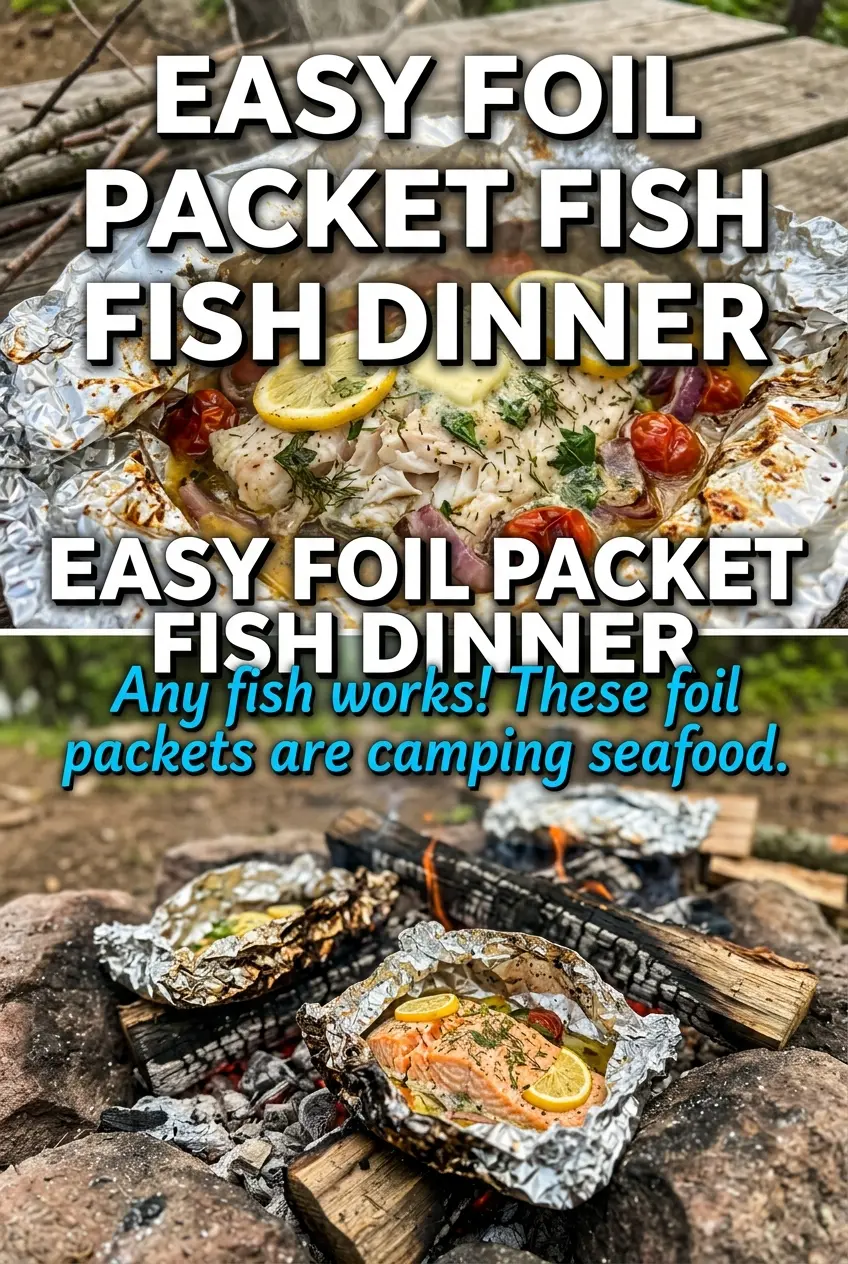
Foil Packet Fish
Ingredients
Equipment
Method
- Place each fish fillet on a sheet of heavy-duty aluminum foil.
- Top each fillet with minced garlic, dill or parsley, salt, and pepper, then add a pat of butter.
- Arrange lemon slices over the fish and surround it with sliced zucchini and bell pepper.
- Fold the foil into sealed packets so the edges are tightly crimped.
- Place the sealed packets on a campfire grate over medium heat for 15-20 minutes, until the fish flakes easily with a fork.
- Carefully open the packets and serve immediately.