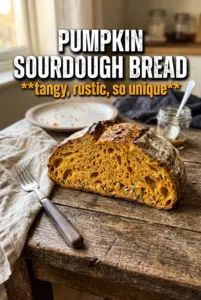
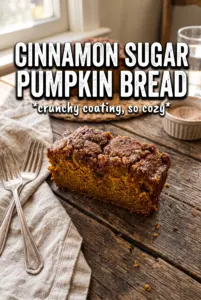
Pumpkin bread should cut into a tender slice with a deep orange crumb, a soft center, and a crackly cinnamon-sugar top that tastes like it belongs there. This gluten-free version delivers that same cozy, bakery-style texture without the usual dryness or gummy middle that can happen with GF quick breads. It stays moist for days, and the flavor gets even better after it rests overnight.
The difference here is in the balance: pumpkin puree for moisture, an extra egg for structure, and a gluten-free flour blend that already contains xanthan gum so the loaf can hold together cleanly. The sour cream adds tenderness without making the batter loose, and the cinnamon sugar on top bakes into a light crust instead of disappearing into the loaf.
Below, I’ll walk through the part that matters most with gluten-free pumpkin bread: how to mix it so it bakes up light instead of dense. I’ve also included the swaps that actually work if you need dairy-free or want a slightly richer loaf.
The loaf came out moist all the way through, and the cinnamon sugar top gave it that little bakery crust I was hoping for. I let it cool completely like you said, and it sliced cleanly instead of crumbling.
Pin this gluten-free pumpkin bread for a moist loaf with a cinnamon-sugar crust and a tender crumb that slices cleanly.
The Reason Gluten-Free Quick Breads Turn Gummy Instead of Tender
The biggest mistake with gluten-free pumpkin bread is treating the batter like a regular loaf and overworking it after the dry ingredients go in. GF flour blends absorb liquid differently, and once you stir past the point of combining, you can end up with a dense slice that feels tacky in the center. The goal is a smooth batter with no visible dry pockets, then stop.
Two other things matter here. First, pumpkin puree holds a lot of moisture, so the loaf needs enough structure from the eggs and the flour blend to set fully in the oven. Second, this bread needs a full cool-down in the pan before slicing; that resting time lets the crumb firm up so the slices don’t collapse under the knife.
What Each Ingredient Is Actually Doing in This Loaf
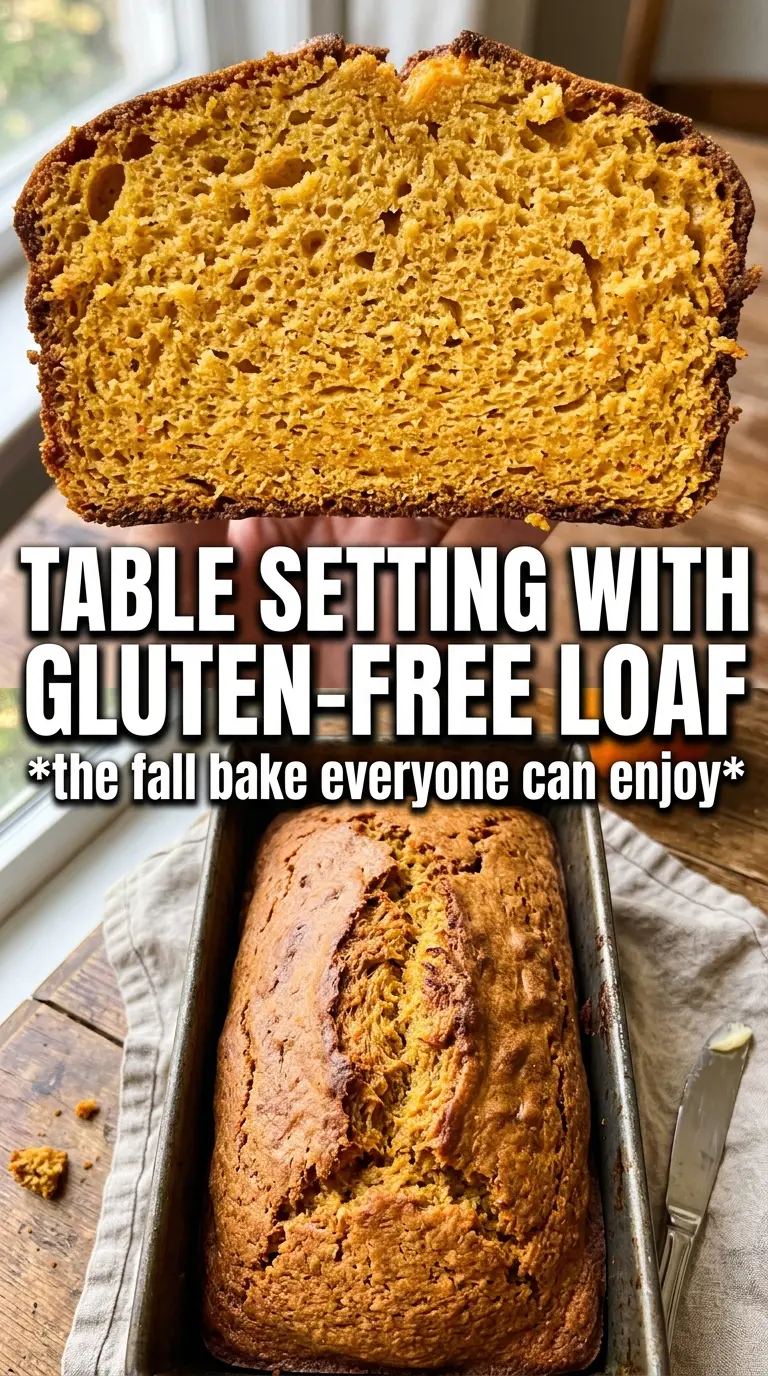
- Gluten-free all-purpose flour blend with xanthan gum — This is the backbone of the loaf. Xanthan gum gives the batter enough stretch and hold to slice cleanly, which plain GF flour usually can’t do on its own.
- Pumpkin puree — Use pure pumpkin, not pumpkin pie filling. It brings moisture, color, and that earthy pumpkin flavor without extra sugar or spices throwing off the balance.
- Eggs — The extra egg is doing real work here. It helps bind the loaf and gives you a sturdier crumb, which matters in gluten-free baking where structure is always the first thing to go.
- Sour cream or plain Greek yogurt — Either one adds tenderness and a little tang. Greek yogurt works fine if that’s what you have, but sour cream gives the softest crumb and a slightly richer finish.
- Vegetable oil — Oil keeps this bread moist longer than butter does. Butter tastes great, but it sets firmer once cooled, and that’s not what you want in a gluten-free quick bread.
- Cinnamon sugar topping — This does more than look pretty. It bakes into a thin crust that adds texture and keeps the top from feeling soft or bland.
Mix the Batter Smooth, Then Stop Touching It
Whisk the dry ingredients first
Combine the flour blend, baking soda, baking powder, spices, and salt until the mixture looks evenly speckled. That even distribution matters more here than in a standard loaf because gluten-free batters don’t forgive pockets of leavener or spice the same way. If the cinnamon and pumpkin spice aren’t fully mixed in, you’ll get uneven flavor in the baked loaf.
Build the wet base until it looks glossy
Whisk the pumpkin, sugars, oil, eggs, vanilla, and sour cream until the mixture turns smooth and slightly glossy. You’re looking for the sugar to dissolve a bit and the eggs to fully disappear into the batter. If it still looks streaky, keep whisking a little longer before the flour goes in, because under-mixed wet ingredients can leave soft spots in the finished bread.
Fold just until the flour disappears
Add the dry ingredients to the wet and stir only until the batter is uniform. A few slow turns at the end are fine, but don’t beat it. Gluten-free batter should be thick and smooth, not fluffy, and overmixing here can make the loaf heavy instead of tender. Scrape the bottom of the bowl so no flour hides there and bakes into a dry pocket.
Bake until the center is set
Pour the batter into a very well-greased 9×5 loaf pan and finish with the cinnamon sugar. Bake until a toothpick comes out clean or with just a few moist crumbs, usually 65 to 70 minutes, though some ovens need a little longer. If the top is browning too fast before the center is done, lay a loose piece of foil over it for the last 15 minutes.
How to Adapt This Loaf Without Losing the Tender Crumb
Dairy-Free Version
Swap the sour cream or yogurt for a thick unsweetened dairy-free yogurt. The loaf will still be moist, but the crumb may be slightly less rich, so don’t add extra liquid elsewhere. A thinner dairy-free yogurt can make the batter loose, which leads to a longer bake and a softer center.
Using Greek Yogurt Instead of Sour Cream
Plain Greek yogurt works well and gives the loaf a slightly brighter tang. Use full-fat if you can, since low-fat yogurt can make the texture a little tighter. The bread will still bake up nicely, but sour cream gives the softest finish.
Turning It into Muffins
Portion the batter into lined muffin cups and bake until the tops spring back and a tester comes out clean, usually around 20 to 24 minutes. Muffins keep the same flavor but bake faster and give you more cinnamon-sugar surface area. The crumb will be a little lighter because the smaller size sets more quickly.
Storage and Reheating
- Refrigerator: Store tightly wrapped for up to 5 days. The crumb stays moist, though the cinnamon sugar top softens a little after the first day.
- Freezer: This loaf freezes well. Slice it first, wrap individual slices, and freeze for up to 3 months so you can thaw only what you need.
- Reheating: Warm slices gently in the microwave for 10 to 15 seconds or in a low oven until just heated through. High heat dries gluten-free bread out fast, so don’t blast it trying to crisp the edges.
Questions I Get Asked About This Recipe
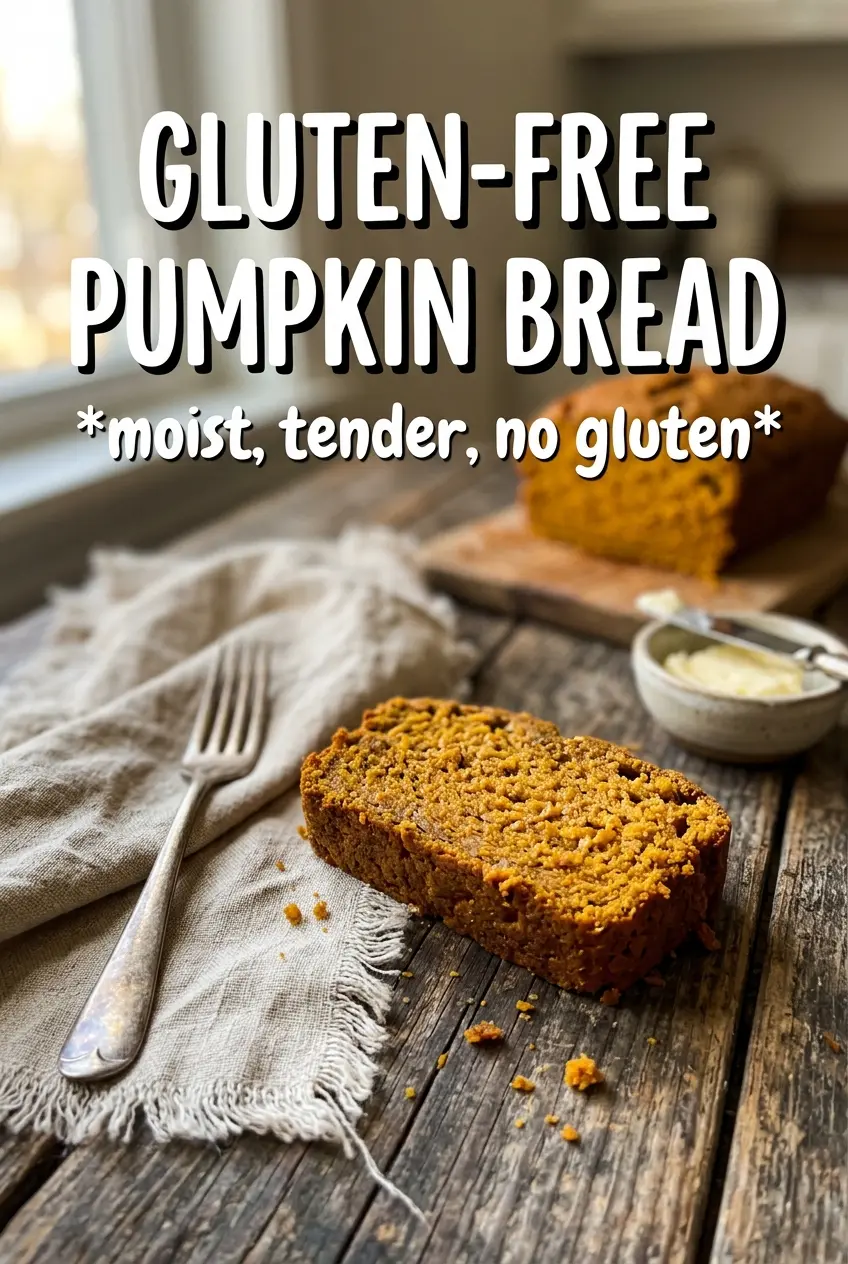
Gluten-Free Pumpkin Bread
Ingredients
Equipment
Method
- Preheat the oven to 350F and grease a 9x5 loaf pan very well so the crust releases cleanly.
- Whisk together the gluten-free all-purpose flour blend, baking soda, baking powder, pumpkin pie spice, cinnamon, and salt until evenly combined.
- Whisk the pumpkin puree, both sugars, vegetable oil, eggs, vanilla extract, and sour cream (or Greek yogurt) until smooth.
- Fold the dry ingredients into the wet ingredients until completely combined, scraping the bowl as needed for a smooth GF batter.
- Pour the batter into the greased loaf pan and sprinkle the cinnamon sugar topping evenly over the top.
- Bake at 350F for 65-70 minutes, until a toothpick comes out clean (GF bread may take slightly longer).
- Cool the loaf completely in the pan before slicing so the slices hold together and the crumb finishes setting.