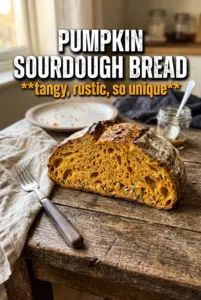
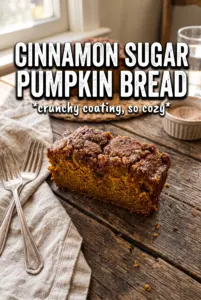
Soft, fragrant pumpkin bread with a deep orange crumb and that classic split crack on top is the kind of loaf that disappears slice by slice before it ever gets fully cool. The edges turn gently golden, the center stays moist for days, and the spice level lands in that sweet spot where pumpkin still tastes like pumpkin instead of just cinnamon with a hint of puree.
This version keeps the batter straightforward and the texture dependable. The pumpkin puree brings moisture, while the mix of granulated sugar and brown sugar gives the loaf a little lift and a deeper, caramel-like note. Oil keeps the crumb tender without making it heavy, and the milk loosens the batter just enough so the loaf bakes up soft instead of dense. The trick is stopping as soon as the flour disappears. Overmixing is what turns quick breads tough.
Below you’ll find the small details that matter most, from how to mix the batter without deflating it to the ingredient swaps that still keep the loaf moist and sliceable.
The loaf baked up with a perfect crack down the middle and stayed incredibly moist for three days. I used buttermilk, and the crumb came out tender without feeling heavy at all.
Save this moist pumpkin bread recipe for the kind of loaf that slices cleanly, stays tender, and fills the kitchen with warm spice.
The Mistake That Makes Pumpkin Bread Heavy
Most dense pumpkin bread comes from treating it like cake batter and beating it smooth. Quick bread needs a lighter hand. Once the wet mixture goes into the dry ingredients, stir only until the flour disappears and stop there. The batter should look a little rough, not glossy and perfectly polished.
Another problem is underbaking the center while the top looks done. Pumpkin bread has a lot of moisture from the puree, so the crust can set before the middle finishes. Bake until a toothpick comes out clean from the center, then let the loaf rest in the pan. That rest time helps the structure set so the slices hold together instead of smearing when you cut them.
- Pumpkin puree — Use plain pumpkin puree, not pumpkin pie filling. Pie filling is already sweetened and spiced, which throws off both the texture and the flavor balance.
- Brown sugar — This deepens the flavor and helps keep the crumb soft. Light or dark brown sugar both work, but dark brown sugar gives a slightly richer finish.
- Vegetable oil — Oil keeps quick bread moist longer than butter does. Melted butter adds flavor, but the loaf firms up faster once it cools.
- Milk or buttermilk — Buttermilk adds a subtle tang and a little more tenderness. Regular milk works fine if that is what you have on hand; the loaf will still bake up soft.
What Each Ingredient Is Actually Doing in This Recipe
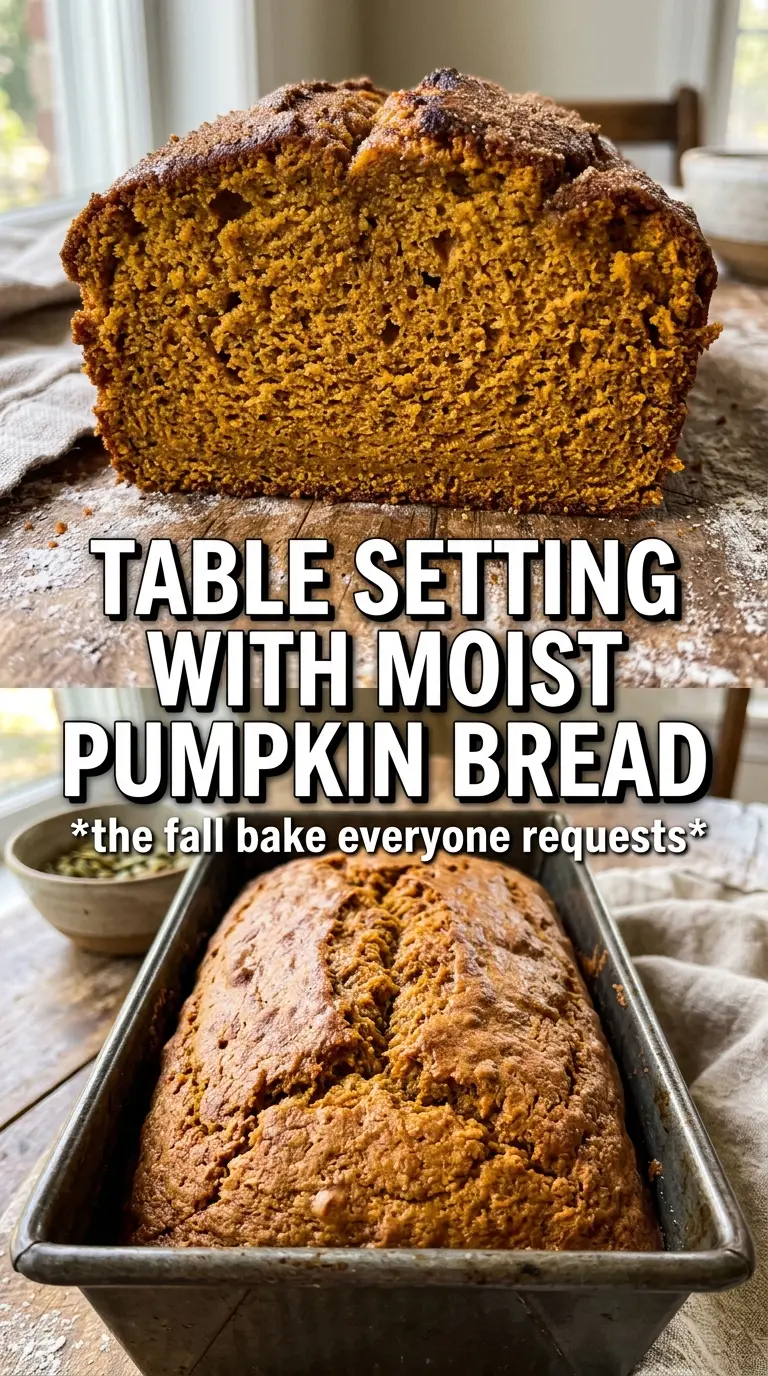
- Primary ingredient (the star) — Quality matters most. Choose the best you can find.
- Cooking medium (oil, butter, or broth) — This carries flavors and prevents dryness.
- Seasonings (salt, pepper, spices, herbs) — Layer flavors so nothing overpowers. Build depth gradually.
- Aromatics (garlic, onion, herbs) — Cook with fat to bloom flavors. Become the foundation.
- Supporting ingredients — Complement the main ingredient without overpowering it.
- Sauce or liquid (if applicable) — Brings flavors together. Balance richness with acid.
- Acid (lemon, vinegar, wine, or other) — Brightens and prevents flat-tasting results.
- Final finish (garnish, glaze, or sauce) — Prevents one-dimensional taste and adds visual appeal.
Building the Batter Without Losing the Tender Crumb
Mix the dry ingredients first
Whisk the flour, baking soda, pumpkin pie spice, cinnamon, nutmeg, and salt together until the spices disappear into the flour. This keeps the leavening and spice evenly distributed, which matters in a loaf this simple. If you skip this step, you can end up with a bitter bite of baking soda in one slice and a bland one in the next.
Whisk the wet ingredients until smooth
Stir the pumpkin puree, both sugars, oil, eggs, vanilla, and milk until the mixture looks fully unified and glossy. A few small sugar grains are fine, but you don’t want streaks of egg or pockets of puree. Smooth wet ingredients help the batter combine quickly, which means less mixing later.
Fold, don’t beat
Pour the wet mixture into the dry ingredients and fold just until the flour disappears. A few streaks are okay because they finish hydrating in the oven. If you keep stirring after that point, the gluten tightens and the loaf turns chewy instead of soft.
Bake until the center is set
Scrape the batter into a greased 9×5 loaf pan and smooth the top so it bakes evenly. The loaf is done when the top has split, the edges are deeply golden, and a toothpick inserted in the center comes out clean or with just a few moist crumbs. If the top browns before the middle is finished, tent it loosely with foil for the last 10 to 15 minutes.
Dairy-Free Pumpkin Bread
Use any unsweetened non-dairy milk in place of the milk or buttermilk. The loaf still bakes up soft because the oil does most of the moisture work here. If you want the slight tang that buttermilk adds, stir 1 teaspoon of lemon juice into the non-dairy milk and let it sit for a few minutes before mixing.
Gluten-Free Version
A 1:1 gluten-free flour blend can replace the all-purpose flour here. The crumb will be a little more delicate, so let the loaf cool completely before slicing. If your blend doesn’t include xanthan gum, use one that does so the bread holds together cleanly.
Less Sweet, More Spice
Reduce the granulated sugar to 1/2 cup if you want a less sweet breakfast loaf. The bread will still be moist and sliceable, but the pumpkin and spice come forward more clearly. I would not cut the brown sugar much lower than that, because it helps the loaf stay tender.
Add-ins That Work
Fold in up to 3/4 cup chopped walnuts, pecans, or chocolate chips after the batter comes together. Any more than that starts crowding the loaf and can make it fall a little in the center. Toasted nuts add the best flavor because they bring some crunch against the soft crumb.
Storage and Reheating
- Refrigerator: Store tightly wrapped for up to 5 days. The crumb stays moist, though the texture firms up a little as it chills.
- Freezer: This freezes well. Wrap the cooled loaf or individual slices tightly in plastic, then foil, and freeze for up to 3 months.
- Reheating: Warm slices in the microwave for 10 to 15 seconds or toast them lightly. Don’t overheat or the bread dries out fast, especially once it has been chilled.
Questions I Get Asked About This Recipe
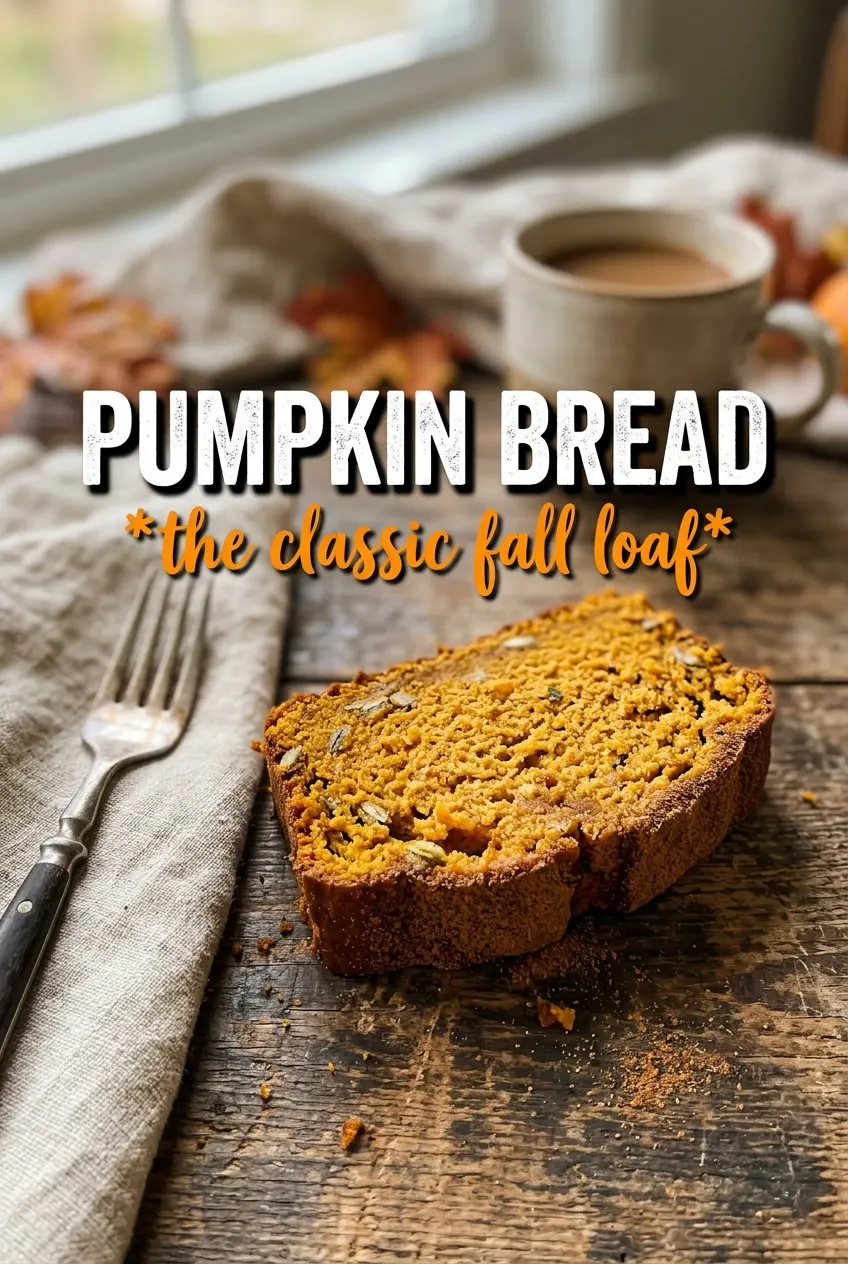
Pumpkin Bread
Ingredients
Equipment
Method
- Preheat the oven to 350F and grease a 9x5 loaf pan so the loaf releases cleanly after baking.
- Whisk all-purpose flour, baking soda, pumpkin pie spice, cinnamon, nutmeg, and salt in a large bowl until evenly combined with no visible spice clumps.
- Whisk pumpkin puree, granulated sugar, brown sugar, packed, vegetable oil, eggs, and vanilla extract with milk or buttermilk in a separate bowl until completely smooth.
- Pour the wet mixture into the dry mixture and fold until just combined; do not overmix, and a few streaks of flour are fine.
- Pour the batter into the prepared loaf pan and smooth the top to help it bake evenly.
- Bake for 60-65 minutes at 350F until a toothpick inserted in the center comes out clean and the loaf looks deep golden with a crack on top.
- Cool the loaf in the pan for 15 minutes, then remove and cool completely before slicing for the best moist crumb and clean cuts.