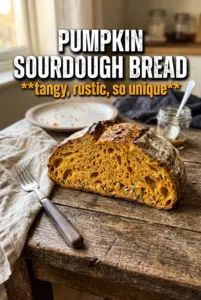
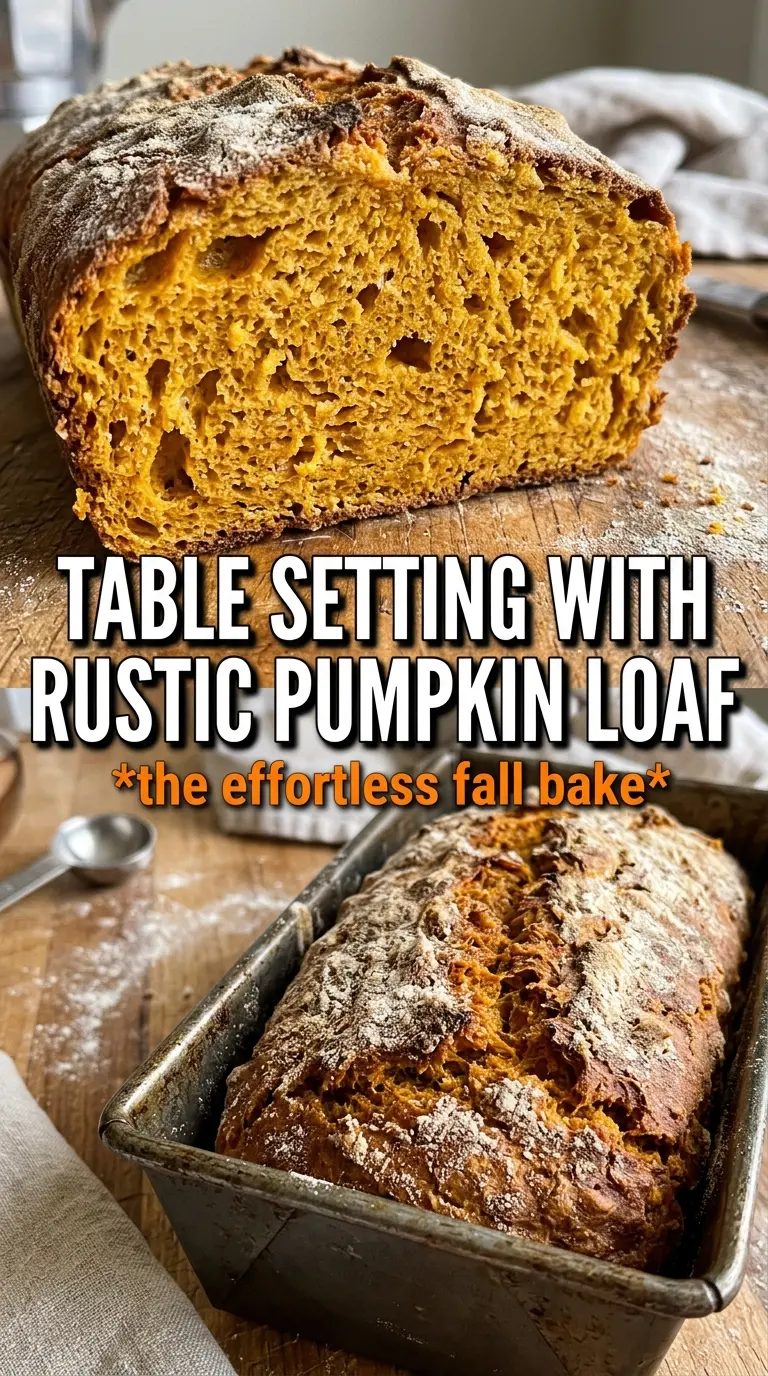
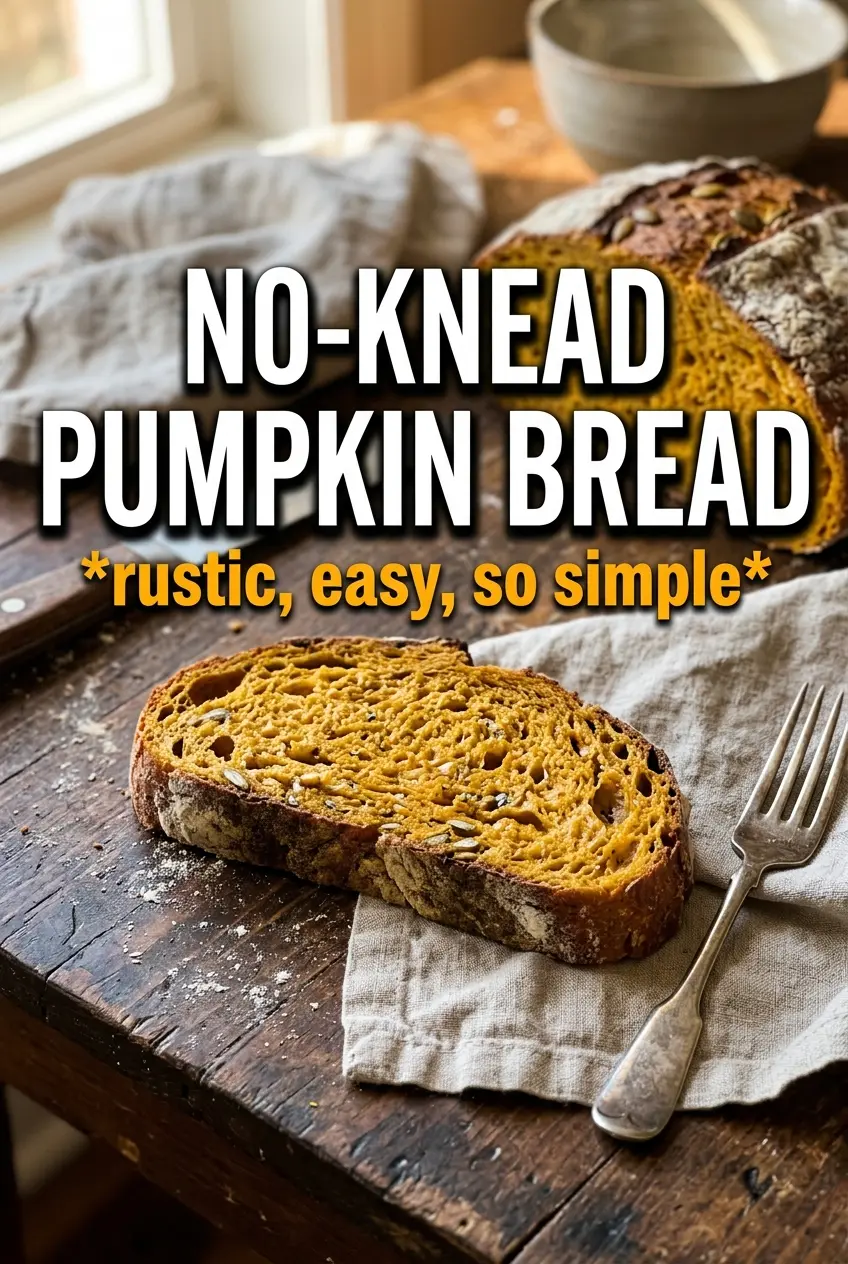
Crackled on the outside and tender within, this no-knead pumpkin bread bakes into a loaf that feels rustic and bakery-worthy without asking for a bit of kneading. The crust turns deep golden and crisp in a hot Dutch oven, while the crumb stays open, soft, and lightly amber from the pumpkin.
What makes this version work is the balance of moisture and long fermentation. Pumpkin puree adds flavor and color, but the loaf still needs enough structure to rise, so bread flour does the heavy lifting. A tiny amount of instant yeast and an overnight rest give the dough time to develop bubbles and strength on its own, which is what creates that bread-like texture instead of a dense quick loaf.
Below, I’ll walk through the one part that matters most: handling the sticky dough without deflating it, plus a few swaps that help if you want to adjust the spice or sweetener.
The dough was loose and sticky like you said, but the overnight rise gave it such a great oven spring. The crust came out crackly and the inside stayed soft and full of pumpkin flavor.
Save this no-knead pumpkin bread for the kind of loaf that bakes up with a crackly crust and a soft, pumpkin-rich crumb.
The Part Most Pumpkin Bread Gets Wrong: Too Much Moisture, Not Enough Structure
The trick with a bread like this is accepting that the dough should look messy at first. Pumpkin puree adds tenderness and color, but it also softens the dough, which is why bread flour matters here. It gives the loaf enough strength to hold its shape during the long rest and the hot Dutch oven bake.
The overnight fermentation does the work of kneading. If you rush it, the bread stays tight and bakes up more like a heavy dinner roll than a crusty loaf. If the dough looks bubbly, stretchy, and a little jiggly after 12 to 18 hours, it’s ready.
- Bread flour — The higher protein content gives this loaf its chew and structure. All-purpose flour will work in a pinch, but the crumb will be softer and a little less open.
- Instant yeast — Use the tiny amount called for. Too much yeast makes the loaf rise too fast and taste flat instead of developed.
- Pumpkin puree — Use plain pumpkin puree, not pumpkin pie filling. The filling has sugar and spices already added, which throws off both flavor and dough texture.
- Maple syrup or honey — This gives the dough a gentle sweetness and helps the crust color. Either one works, and honey leans a little more floral while maple reads warmer and deeper.
What the Dough Needs to Become Bakeable
Whisk the dry ingredients first so the yeast and salt disperse evenly. Then stir in the pumpkin mixture until you get a shaggy, sticky mass with no dry flour hiding at the bottom of the bowl. It won’t look polished, and that’s the point.
The warm water and warm milk should feel comfortably warm, not hot. If they’re too hot, they can damage the yeast before it has a chance to work. The dough should be sticky enough that you need plenty of flour on your hands and surface later, but not soupy.
- Warm milk — Adds a little richness and helps the crust brown. Whole milk gives the best flavor, but any milk you have will work.
- Cinnamon and pumpkin pie spice — These seasonings carry the pumpkin flavor without making the loaf taste like dessert bread. If your pumpkin pie spice blend is old and dull, add a pinch more cinnamon for a cleaner finish.
- Salt — This keeps the loaf from tasting bland and helps control the long rise. Don’t cut it back unless you want a flat-tasting bread.
Turning a Sticky Dough Into a Tall, Crisp Loaf
Mix Until the Flour Disappears
Stir the wet and dry ingredients just until no dry pockets remain. The dough should look rough and uneven, not smooth. If you keep stirring after that point, you’ll tighten the dough and lose some of the open texture that makes this style of bread worth baking.
Let the Overnight Rise Do the Heavy Lifting
Cover the bowl and leave it at room temperature for 12 to 18 hours. By morning, the dough should be dotted with bubbles and look puffy around the edges. If your kitchen runs cold, it may need the full 18 hours; if it’s warm, check it earlier so it doesn’t overproof and collapse.
Shape Gently and Bake in a Screaming-Hot Pot
Turn the dough onto a well-floured surface and form it into a loose ball without pressing all the air out. After a short rest, lower it into a preheated Dutch oven. That blast of heat is what gives you the crackly crust and the lift, and if the pot isn’t fully preheated, the loaf spreads instead of rising high.
Finish the Crust Before Slicing
Bake covered first, then uncover for the last stretch so the crust can deepen and dry out. The loaf is done when it’s deeply golden and sounds hollow when tapped. Let it cool for at least an hour before slicing; if you cut it too early, the crumb can seem gummy even when the bread is baked through.
How to Adjust This Loaf Without Losing the Texture
Make It Dairy-Free
Swap the milk for unsweetened oat milk or almond milk. You’ll lose a little richness, but the loaf still rises and bakes the same, especially if you keep the rest time and Dutch oven bake unchanged.
Use Honey Instead of Maple Syrup
Honey gives the bread a slightly rounder sweetness and encourages a darker crust. Maple reads a little more autumnal and subtle; honey tastes a touch brighter and more floral.
Dial the Spice Up or Down
If you want a stronger spice note, add another 1/4 teaspoon cinnamon or a pinch of ginger. If you want the pumpkin to stay front and center, keep the spice blend as written so it supports the loaf without taking over.
Storage and Reheating
- Refrigerator: Store sliced or unsliced bread in an airtight container for up to 3 days. The crust softens a bit in the fridge.
- Freezer: This loaf freezes well. Wrap it tightly, then freeze whole or in slices for up to 2 months.
- Reheating: Warm slices in a toaster or a 325°F oven until just heated through. Don’t microwave it if you want to keep the crust from turning leathery.
Answers to the Questions Worth Asking
No-Knead Pumpkin Bread
Ingredients
Equipment
Method
- Whisk bread flour, instant yeast, salt, pumpkin pie spice, and cinnamon in a large bowl until evenly combined.
- Whisk pumpkin puree, warm water, warm milk, and maple syrup or honey, then stir into the dry ingredients until a shaggy dough forms.
- Cover the bowl with plastic wrap and rest at room temperature 12-18 hours until the dough is very bubbly.
- Preheat the oven to 450°F and place a Dutch oven inside for 30 minutes to heat thoroughly.
- Turn the dough onto a well-floured surface, shape into a ball, and rest 15 minutes.
- Carefully lower the dough into the hot Dutch oven, cover, and bake 30 minutes at 450°F.
- Uncover and bake 12-15 more minutes at 450°F until the crust is deeply golden.
- Cool the loaf on a wire rack for 1 hour before slicing for better crumb set.