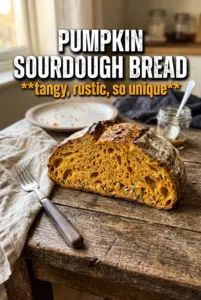
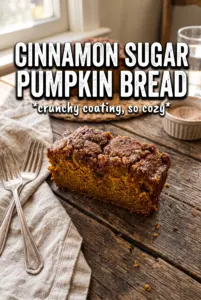
Pumpkin bread has a way of disappearing fast when the crumb stays tender and the top bakes up with just enough give to hold a thick drizzle of icing. This version leans into that balance. The loaf is deeply spiced, moist without turning heavy, and sturdy enough to slice cleanly once it cools. Then the brown butter maple icing moves it from good pumpkin bread to the kind of loaf people hover around the counter for.
The texture comes from a simple but careful batter: pumpkin puree, oil, and brown sugar keep the bread soft for days, while the dry ingredients are mixed only until the flour disappears. That keeps the loaf from turning tight or bready. The icing matters just as much. Browning the butter before adding maple syrup gives the topping a nutty edge that plain glaze can’t fake, and letting it cool before whisking keeps it from going thin and greasy.
Below you’ll find the one step that keeps the loaf from sinking in the middle, the right way to judge the icing consistency, and a few swaps that still keep the bread worth making.
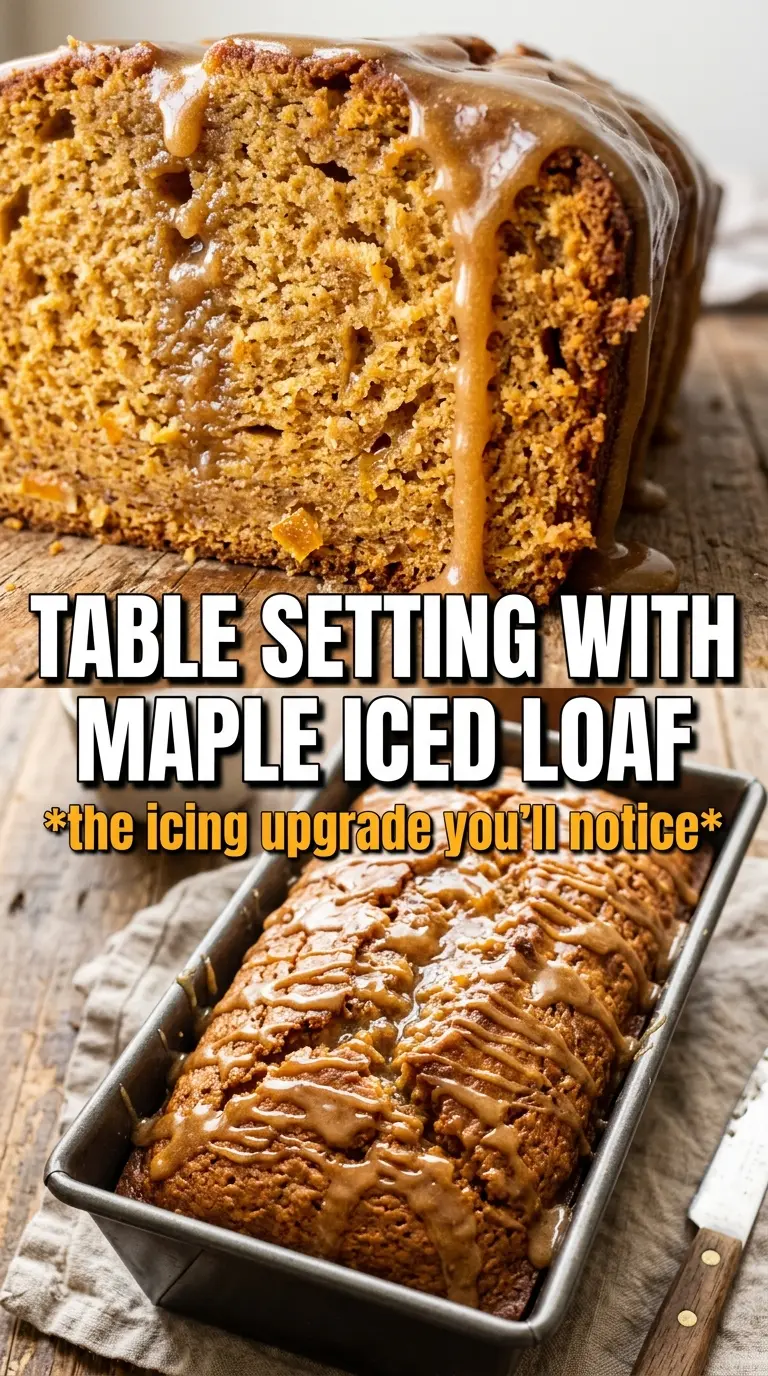
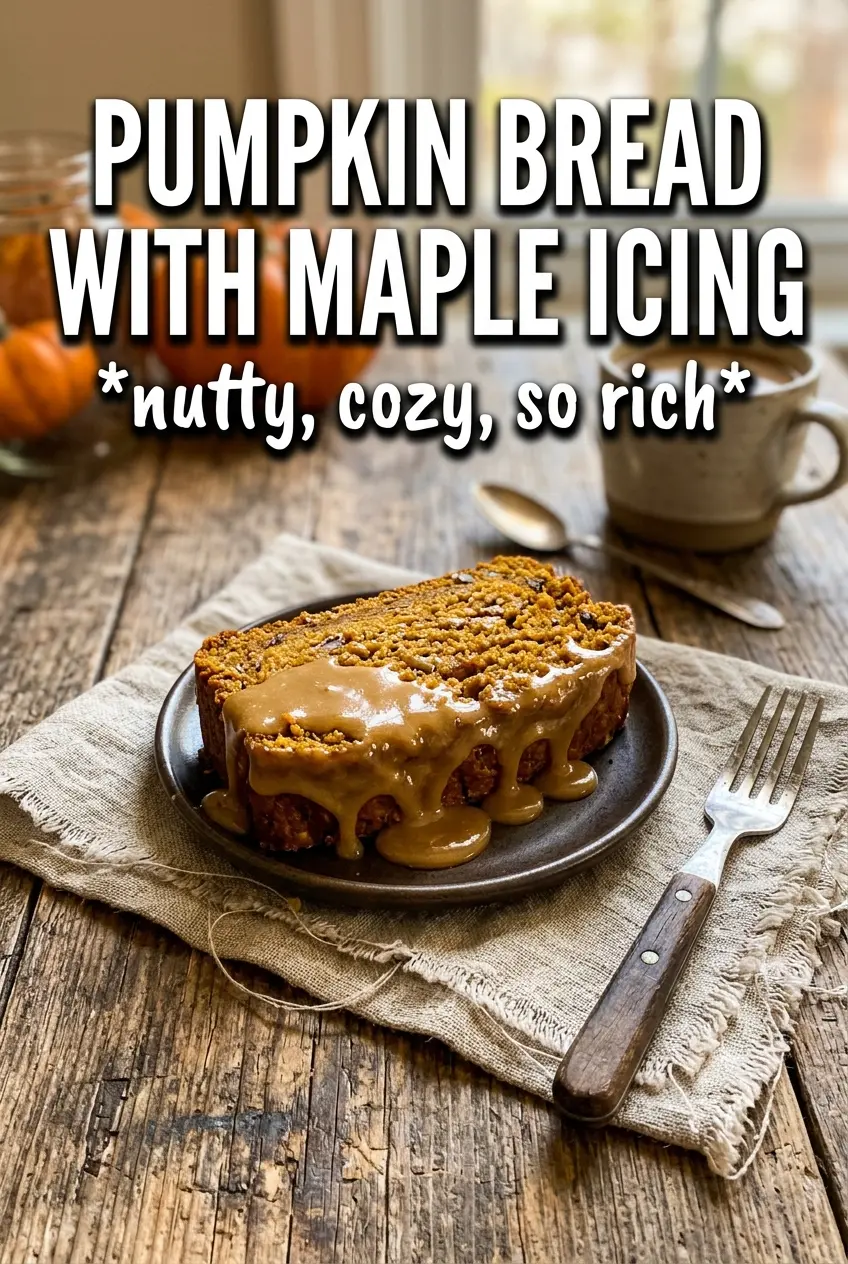
The loaf baked up with a soft, even crumb and the brown butter maple icing set just enough to drip slowly down the sides. I waited until it was fully cool and the slices held together perfectly.
Save this pumpkin bread with brown butter maple icing for a loaf that stays moist, slices cleanly, and finishes with a glossy maple drizzle.
The Mistake That Makes Pumpkin Bread Heavy Instead of Tender
Pumpkin bread turns dense when the batter gets overworked or the loaf goes into the oven before the dry ingredients are evenly dispersed. The flour only needs to disappear; after that, every extra stir tightens the crumb. This recipe also has enough moisture from the pumpkin and oil that it doesn’t need any help from aggressive mixing. The goal is a smooth batter, not a whipped one.
The other thing that matters here is pan behavior. A 9×5 loaf pan gives the batter room to rise without spilling over the sides or baking up gummy in the center. If your loaf sinks, it usually means the batter was underbaked in the middle or the oven door was opened too early. Wait for the toothpick test to come back clean from the center, not just the top edge.
- Pumpkin puree — Use pure pumpkin, not pumpkin pie filling. Pie filling already contains sugar and spices, which throws off both the texture and the flavor balance.
- Vegetable oil — Oil keeps this loaf softer than butter would. Melted butter can work, but the crumb comes out a little firmer and less moist after day one.
- Brown sugar — This adds a deeper sweetness and helps the bread stay tender. You can swap in all granulated sugar in a pinch, but the loaf loses some of its softness.
- Pumpkin pie spice and cinnamon — This is where the loaf gets its warm backbone. If your blend is old and flat, the bread will taste muted even if you use the right amount.
What Each Ingredient Is Actually Doing in This Recipe
- Primary ingredient (the star) — Quality matters most. Choose the best you can find.
- Cooking medium (oil, butter, or broth) — This carries flavors and prevents dryness.
- Seasonings (salt, pepper, spices, herbs) — Layer flavors so nothing overpowers. Build depth gradually.
- Aromatics (garlic, onion, herbs) — Cook with fat to bloom flavors. Become the foundation.
- Supporting ingredients — Complement the main ingredient without overpowering it.
- Sauce or liquid (if applicable) — Brings flavors together. Balance richness with acid.
- Acid (lemon, vinegar, wine, or other) — Brightens and prevents flat-tasting results.
- Final finish (garnish, glaze, or sauce) — Prevents one-dimensional taste and adds visual appeal.
Building the Loaf and Brown Butter Glaze Without Ruining Either
Whisk the Wet Ingredients Until They Look Smooth, Not Fluffy
Start by mixing the pumpkin puree, both sugars, oil, eggs, and vanilla until the mixture looks glossy and even. You want the sugar mostly dissolved and the eggs fully broken up, but you don’t need air whipped into it. If you see streaks of egg white or pockets of brown sugar, keep whisking just until the mixture smooths out. That even base helps the loaf bake with a uniform crumb instead of little tunnels.
Fold the Flour In Just Until the Last Dry Streak Disappears
Add the dry ingredients and fold gently with a spatula. The batter will look thick, and that’s normal. Stop as soon as you no longer see flour patches at the bottom of the bowl, because overmixing is what makes quick breads tough. A few small lumps are fine; they bake out. A smooth, beaten batter is the warning sign that you’ve gone too far.
Brown the Butter Until It Smells Nutty and the Foam Settles
For the icing, melt the butter over medium heat and keep it moving as it foams. After the foam starts to clear, look for golden brown bits at the bottom and a nutty smell, not a burnt one. Pull it off the heat as soon as you see that color change, because browned butter keeps cooking in the hot pan. Let it cool for about 10 minutes before you add the sugar, or the glaze can turn greasy and thin.
Drizzle When the Icing Is Thick but Still Falls Off the Spoon
Whisk in the powdered sugar, maple syrup, vanilla, cinnamon, and just enough milk to make a thick drizzling consistency. If it runs off the bread in a watery sheet, it’s too thin; add a little more powdered sugar. If it clumps and sits on the whisk, add a teaspoon of milk at a time. The loaf should be fully cool before you drizzle, or the icing will melt into the crust instead of setting on top.
How to Adapt This Pumpkin Bread When You Need a Different Finish
Dairy-Free Version
The bread itself is already dairy-free, so the only change is the icing. Replace the butter with a plant-based butter that browns well or use a simple maple glaze made with powdered sugar, maple syrup, vanilla, and a small splash of non-dairy milk. You lose the nutty depth from browned butter, but you keep the sweet maple finish.
Less Sweet, More Spiced Loaf
Cut the granulated sugar slightly and leave the brown sugar alone, since it does more for texture than sharp sweetness. You can also bump the cinnamon a little if you want the spice to lead and the icing to play a supporting role. Don’t reduce the sugar too far or the loaf gets drier and loses that soft, almost custardy middle.
Nutty Add-In Variation
Fold in up to 3/4 cup chopped toasted pecans or walnuts after the dry ingredients are mixed in. Toasting them first matters because raw nuts can taste flat against the warm spice, while toasted nuts add crunch and a deeper aroma. Keep the amount modest so the loaf still slices cleanly.
Storage and Reheating
- Refrigerator: Store covered for up to 4 days. The icing may firm up a little, but the crumb stays moist.
- Freezer: Freeze the loaf without icing for best results. Wrap tightly, freeze up to 2 months, and thaw at room temperature before glazing.
- Reheating: Warm individual slices for 10 to 15 seconds in the microwave. Don’t heat it too long or the glaze melts away and the bread dries out at the edges.
Questions I Get Asked About This Pumpkin Bread
Pumpkin Bread With Brown Butter Maple Icing
Ingredients
Equipment
Method
- Preheat the oven to 350F and grease a 9x5 loaf pan.
- Whisk all-purpose flour, baking soda, pumpkin pie spice, cinnamon, and salt until evenly combined.
- Whisk pumpkin puree, granulated sugar, brown sugar, vegetable oil, eggs, and vanilla until smooth.
- Fold the dry mixture into the wet mixture just until combined, then pour the batter into the greased loaf pan.
- Bake for 60-65 minutes, until a toothpick inserted in the center comes out clean, then cool completely.
- Brown the unsalted butter in a saucepan until golden and nutty-smelling, then cool 10 minutes.
- Whisk the browned butter with powdered sugar, pure maple syrup, vanilla, cinnamon, and enough milk to make a thick drizzling consistency.
- Drizzle the icing generously over the cooled loaf, letting it run slightly down the sides.