Golden, buttery campfire potatoes deliver the kind of smoky, soft-in-the-middle, crisp-at-the-edges bite that disappears fast when the packet opens. The onion turns sweet as it steams with the potatoes, and the butter plus paprika give every slice a glossy, seasoned coating that tastes like outdoor cooking done right.
What makes this version work is the double layer of foil and the way the potatoes are sliced thin enough to cook through before the edges burn. Heavy-duty foil matters here because a flimsy packet tears when you flip it, and the butter cubes melt in place instead of leaking out before they can season the potatoes. The cheese at the end is optional, but it melts best when the packet goes back on the heat for just long enough to soften, not long enough to turn greasy.
Below, I’ve included the little details that matter most with foil packet potatoes: how to avoid scorching the bottom, what to do if your potatoes are cut a little thicker than planned, and a few easy ways to change the seasoning without losing that campfire feel.
The potatoes came out tender with those caramelized edges I never seem to get right over the fire, and the onion-butter mix soaked into every layer. I opened the packet at the table and everyone started grabbing forkfuls before I even sat down.
Save these campfire potatoes for the next night you want crispy foil packet potatoes with buttery onions and almost no cleanup.
Why Foil Packet Potatoes Turn Crisp Instead of Watery
The difference between tender, browned potatoes and a steamy pile of mush comes down to contact and heat control. If the packet is overloaded or the potatoes are cut too thick, they steam before they ever get a chance to pick up color. Thin slices help them cook evenly, and the onion layers keep the butter from pooling in one spot.
Medium heat matters more than high heat. A hot flame charred the outside long before the centers soften, especially over a campfire where the heat shifts under the grate. Flipping the packet halfway gives both sides a chance to brown, and the sealed foil traps just enough moisture to finish the potatoes without drying them out.
- Thin potato slices cook fast and evenly. Thick chunks can work, but they need more time and are easier to scorch on the bottom before the center is tender.
- Heavy-duty foil keeps the packet intact when you flip it. Standard foil tears too easily once the butter starts melting.
- Butter cubes melt in little pockets and coat the potatoes as they cook. If you melt the butter first, you lose that slow, even basting effect.
- Medium heat is the sweet spot. High heat burns the outside of the packet before the potatoes soften inside.
What Each Ingredient Is Actually Doing in These Campfire Potatoes
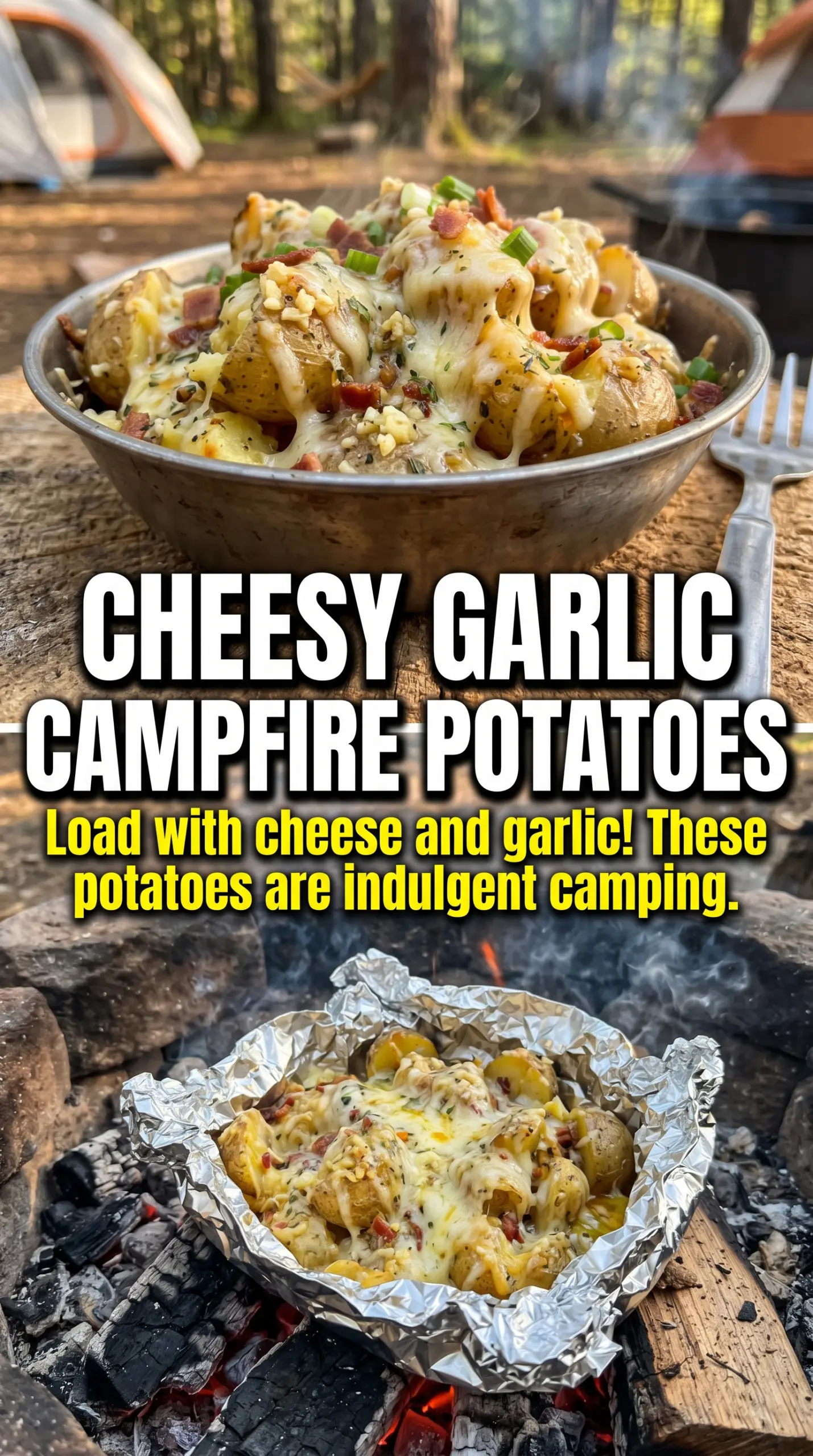
- Potatoes are the backbone of the dish, and the slice thickness controls the texture. Yukon Golds give a creamier bite, while russets turn fluffier and more rustic. Either works, but whatever you use should be cut into even slices so the packet cooks at the same pace.
- Onion softens and sweetens in the steam, which keeps the potatoes from tasting flat. A yellow onion is the best all-purpose choice, though white onion will cook in the same time and taste a little sharper.
- Butter is what carries the seasoning and gives the potatoes that glossy finish. Margarine won’t give the same richness, and oil changes the texture enough that the potatoes taste more roasted than campfire-style.
- Garlic powder and paprika do the heavy lifting on flavor without burning the way fresh garlic can in a foil packet. Smoked paprika is a good swap if you want a deeper campfire note.
- Cheddar cheese is optional, but it adds a salty finish and helps turn the packet into something a little more indulgent. Add it only at the end so it melts instead of separating into oily strands.
Getting the Packet Cooked Through Without Burning the Bottom
Building the Layers
Lay the potato slices in a fairly even layer, then scatter the onion over the top so it can steam down through the potatoes. Dot the butter cubes across the surface instead of piling them in the center, because that spreads the fat and seasoning more evenly as they melt. If the packet is packed too tightly, the middle stays firm while the edges overcook.
Sealing and Turning the Foil
Fold the foil into a tight packet with enough space for steam to circulate, but not so much space that the food sits in a loose heap. The seal should be snug, with the seams crimped well so butter doesn’t leak onto the grate. Flip it halfway through cooking so the side closest to the fire doesn’t get all the direct heat for the entire time.
Finishing Over the Fire
After 25 to 30 minutes, the potatoes should be tender when pierced through the foil and the onions should look translucent. Open the packet carefully because the steam comes out fast. If you’re adding cheese, close the packet again for just a couple of minutes; longer than that and the cheese can turn greasy instead of melty.
Make Them Smokier With a Campfire Seasoning Swap
Swap the paprika for smoked paprika and add a pinch of black pepper or chili powder if you want a deeper, more woodsy finish. That change doesn’t alter the texture, but it pushes the flavor toward something that tastes more intentionally cooked over fire instead of just heated outdoors.
Dairy-Free Foil Packet Potatoes
Use a sturdy olive oil or plant-based butter in place of the butter. You’ll still get tender potatoes and good seasoning, but the finish will be a little lighter and less rich than the original.
Cheesy Campfire Potatoes
Add the cheddar only after the potatoes are fully tender, then reseal the packet for two minutes. The cheese melts into the hot potatoes without turning the whole packet greasy, and you get a richer finish without changing the basic method.
Storage and Reheating
- Refrigerator: Store leftovers in an airtight container for up to 3 days. The potatoes soften a bit as they sit, but the flavor holds up well.
- Freezer: These freeze poorly because the potatoes turn grainy after thawing. I’d only freeze them if texture isn’t a concern.
- Reheating: Warm them in a skillet over medium heat with a small splash of butter or oil so the edges can crisp back up. The biggest mistake is microwaving them straight from the fridge, which makes them soft and a little gummy.
Answers to the Questions Worth Asking
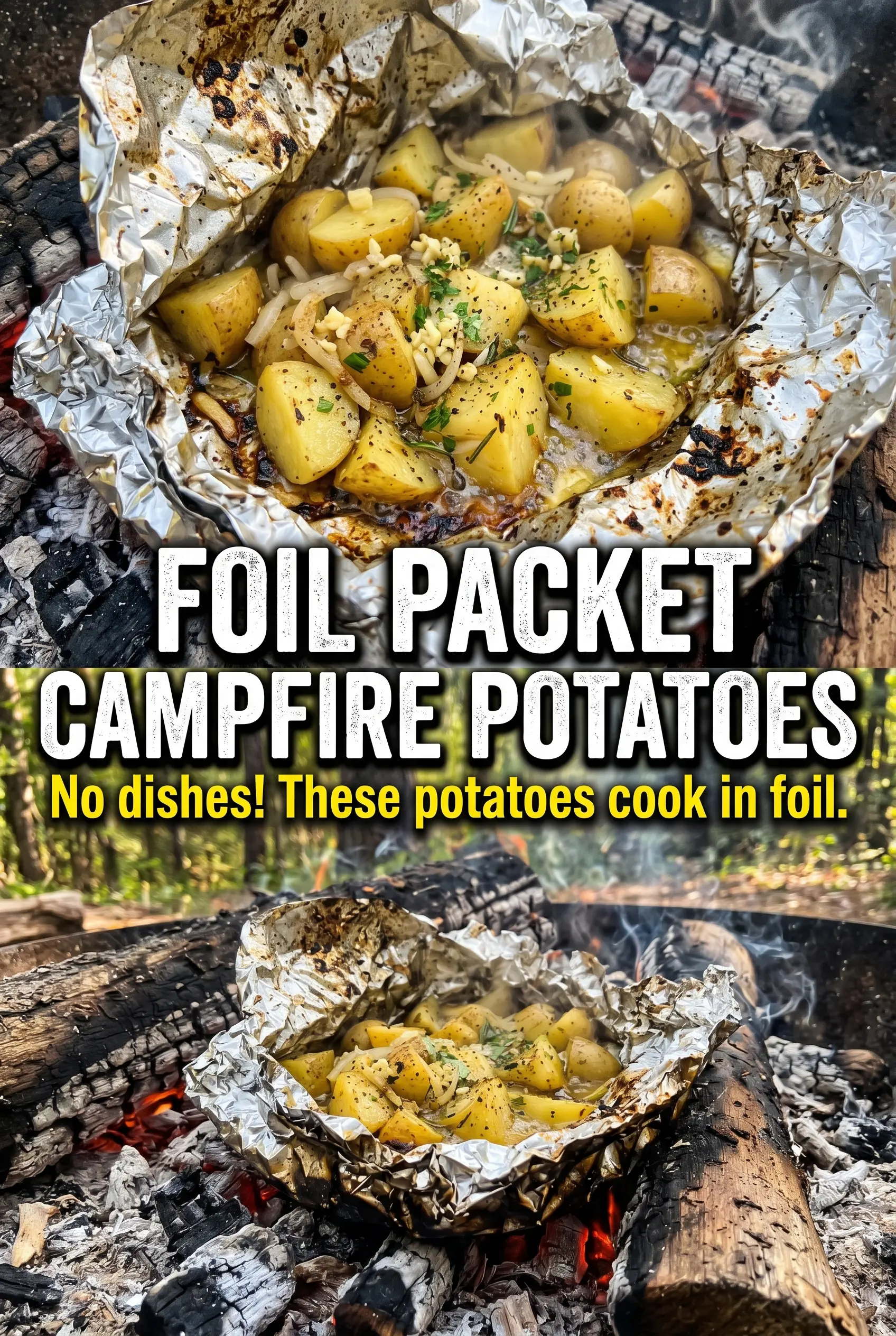
Campfire Potatoes
Ingredients
Equipment
Method
- Layer the thinly sliced potatoes and sliced onion on a large double-layer of heavy-duty aluminum foil. Spread them evenly so they cook at the same pace.
- Dot the potato and onion layers with cubed butter, then sprinkle evenly with garlic powder, paprika, salt, and pepper. Make sure the seasonings land across the whole packet.
- Fold the foil into a sealed packet. Press the edges tightly so steam stays inside while it cooks.
- Place the sealed packet on a campfire grate over medium heat for 25-30 minutes. Look for the packet to feel hot and gently steaming as it roasts.
- Flip the foil packet halfway through the cook time. This helps both sides brown and prevents one side from getting softer first.
- Open the packet and sprinkle shredded cheddar cheese over the hot potatoes if using. Use a fork or tongs to lift the top gently so the cheese falls onto the warm surface.
- Reseal the packet and let it cook for 2 minutes to melt the cheese. Watch for the cheese to turn glossy and cling to the potatoes.
- Serve the campfire potatoes hot directly from the foil packet. Open enough to steam briefly, then lift a forkful for golden, tender slices.