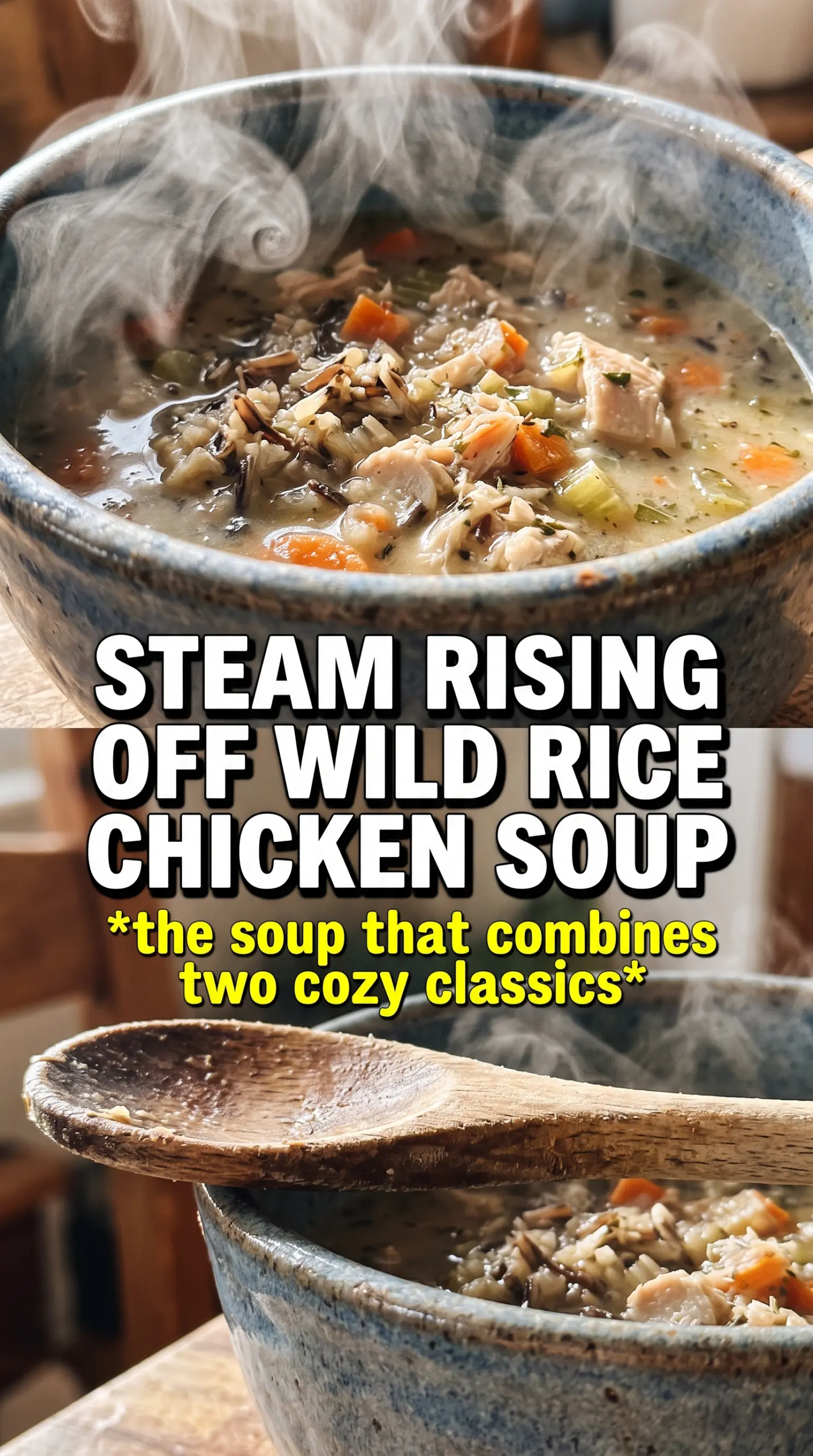
Chicken noodle and wild rice soup lands in that sweet spot between comforting and substantial, with a broth that turns silky, tender chicken, and just enough chew from the wild rice to keep every spoonful interesting. The egg noodles soak up the broth without going mushy, so the bowl stays hearty right down to the last bite.
What makes this version work is the timing. The wild rice starts first because it takes longer than the noodles, and the chicken simmers right in the broth so it stays juicy and gives the pot a deeper, more developed base. The small roux stirred in at the end adds body without turning the soup heavy, which matters when you want creaminess that still feels like soup.
Below, I’ll walk you through the one part that keeps this from going flat, plus the little timing details that keep the noodles tender and the broth smooth. If you’ve ever had chicken noodle soup that tasted thin or a creamy soup that broke, this is the version that fixes both problems.
The wild rice stayed pleasantly chewy and the broth thickened up just enough after I added the roux. My husband said it tasted like something from a café, and the noodles were still perfect even after reheating the next day.
Save this chicken noodle and wild rice soup for a creamy bowl with tender chicken, chewy wild rice, and egg noodles that stay hearty.
The Part That Keeps the Rice From Turning Mushy
Wild rice blend is the ingredient that gives this soup its backbone, but it needs a head start. If you dump the noodles in too early, they’ll go soft before the rice is ready, and the whole pot starts to feel tired instead of hearty. This recipe fixes that by letting the rice get nearly tender first, then adding the noodles only at the end when they need just a few minutes.
The other key move is keeping the cream out of the pot until the chicken is shredded and the roux has been stirred in. That order gives you a broth that feels rich without looking greasy or breaking into little curdled bits. The soup should look smooth, lightly thickened, and still spoonable, not like a sauce.
- Wild rice blend — A blend works better here than plain white rice because it gives you chew, nuttiness, and a soup that doesn’t collapse after sitting. If you use a different blend, check the package timing and let the rice lead.
- Egg noodles — These soften fast and soak up broth, which is exactly why they go in last. Wide noodles hold up better than thin ones if you plan on leftovers.
- Chicken breast — Breasts shred cleanly and stay light in a creamy soup. Thighs work too, but they’ll give you a richer, darker broth.
- Roux — The butter and flour mixture thickens the soup without making it heavy. If the flour tastes raw, you didn’t cook it long enough before adding the broth.
What Each Ingredient Is Actually Doing in This Recipe
- Primary ingredient (the star) — Quality matters most. Choose the best you can find.
- Cooking medium (oil, butter, or broth) — This carries flavors and prevents dryness.
- Seasonings (salt, pepper, spices, herbs) — Layer flavors so nothing overpowers. Build depth gradually.
- Aromatics (garlic, onion, herbs) — Cook with fat to bloom flavors. Become the foundation.
- Supporting ingredients — Complement the main ingredient without overpowering it.
- Sauce or liquid (if applicable) — Brings flavors together. Balance richness with acid.
- Acid (lemon, vinegar, wine, or other) — Brightens and prevents flat-tasting results.
- Final finish (garnish, glaze, or sauce) — Prevents one-dimensional taste and adds visual appeal.
Building the Creamy Broth Without Breaking It
Simmering the Base
Put the chicken, wild rice, carrots, celery, onion, garlic, thyme, parsley, and broth into the pot and bring it up to a steady simmer. You want gentle bubbles, not a rolling boil, or the chicken tightens and the broth can turn cloudy and harsh. After about 30 minutes, the rice should be nearly tender and the chicken should shred without resistance. If the rice is still hard in the center, give it a few more minutes before moving on.
Shredding and Returning the Chicken
Lift the chicken out onto a plate and shred it while it’s still warm enough to pull apart easily. Return it to the pot right away so it can soak up the broth instead of drying out. This is also the moment to skim off any foam or bits that bother you, though a little rustic texture is fine in a soup like this.
Whisking in the Roux
Melt the butter in a small pan, whisk in the flour, and cook it for 1 to 2 minutes until it smells nutty rather than pasty. Then whisk in 1 cup of hot broth until the mixture is smooth and glossy, with no floury streaks. Stir that back into the soup before adding the cream. If you add dry flour straight to the pot, it clumps and never fully disappears.
Finishing With Cream and Noodles
Stir in the heavy cream, then add the egg noodles and cook just until they’re tender, usually 6 to 8 minutes. Keep the heat at a low simmer so the cream stays smooth and the noodles don’t overcook. Taste at the end and season with salt and pepper. The soup should feel balanced, creamy, and still loose enough to ladle.
How to Adapt This Soup for Different Kitchens and Leftovers
Dairy-Free Version
Swap the heavy cream for full-fat coconut milk or an unsweetened dairy-free cooking cream. Coconut milk brings a faint sweetness and a softer finish, while dairy-free cream keeps the flavor closer to the original. Skip the butter in the roux and use olive oil or a neutral oil instead.
Gluten-Free Option
Use a gluten-free flour blend for the roux and replace the egg noodles with gluten-free noodles that can handle simmering. Add the gluten-free noodles a little later than the package says, because they can go from tender to soft fast in hot broth.
Using Thighs Instead of Breast
Boneless chicken thighs give the soup a deeper, richer flavor and stay very tender after simmering. They also add a little more body to the broth, which is nice if you want a heartier bowl, but the final soup will taste a bit more robust than the original.
Storage and Reheating
- Refrigerator: Store for up to 4 days. The noodles will keep absorbing broth, so expect the soup to thicken.
- Freezer: It freezes best before the noodles go in. If you want freezer portions, freeze the soup base without cream and noodles, then finish fresh when reheating.
- Reheating: Warm it slowly over low heat with a splash of broth or water. Don’t boil it hard, or the cream can separate and the noodles can turn soft.
Questions I Get Asked About This Recipe
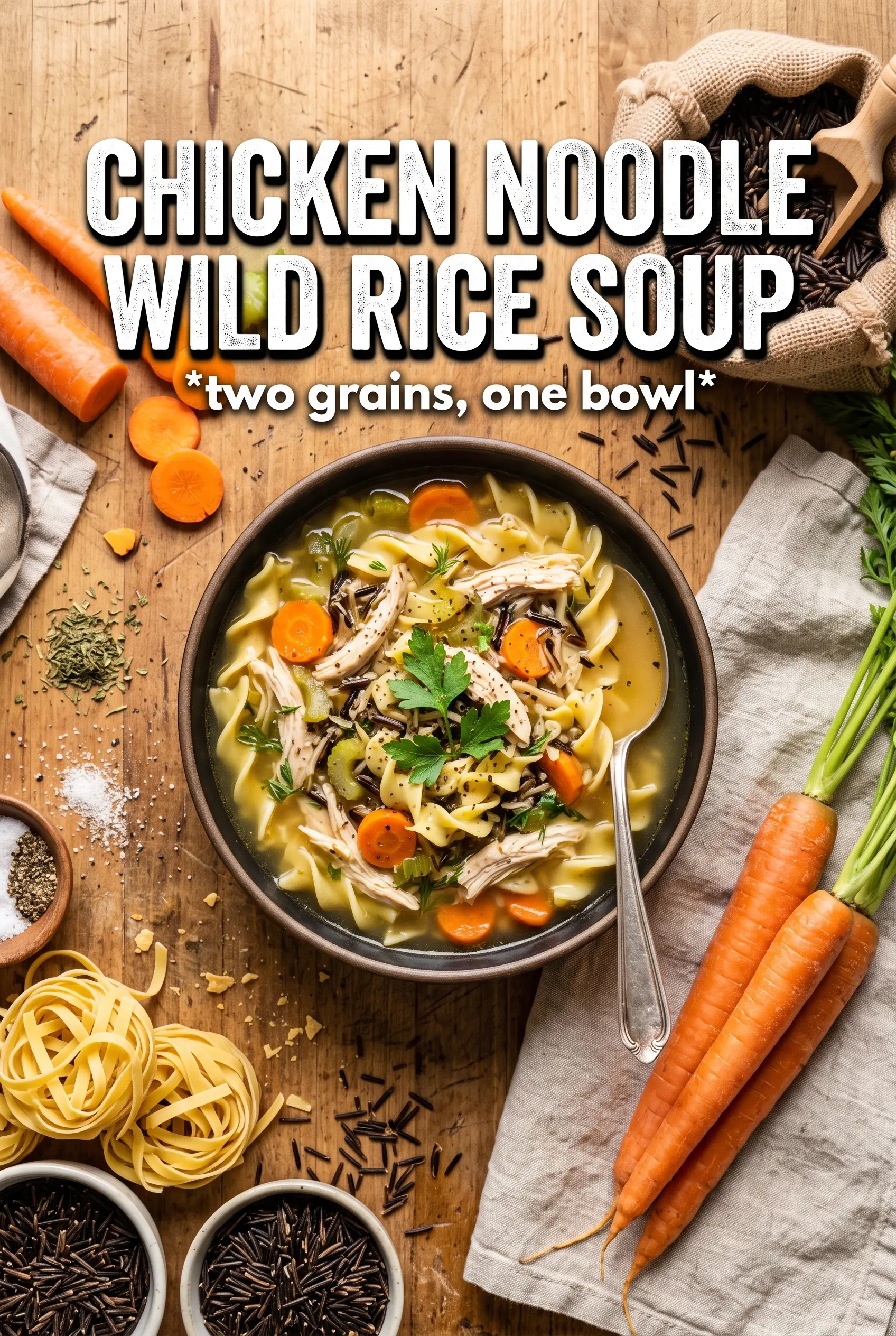
Chicken Noodle And Wild Rice Soup
Ingredients
Equipment
Method
- Place chicken breast and chicken broth into a Dutch oven with wild rice blend, carrots, celery, onion, garlic, dried thyme, and dried parsley. Bring to a simmer and cook for 30 minutes, until the wild rice is nearly tender and the chicken is cooked through, stirring occasionally.
- Remove the chicken from the pot, shred it into bite-size pieces, then return the shredded chicken to the pot. Stir to combine so the chicken is evenly distributed.
- In a separate cast iron skillet, melt butter over medium heat and whisk in flour. Cook for 1-2 minutes, until it looks lightly toasted, then whisk in 1 cup of the hot broth until smooth.
- Stir the roux mixture back into the pot and heat until the broth is smooth and lightly thickened. Stir in heavy cream, then add egg noodles and cook 6-8 minutes until tender.
- Season the soup with salt and pepper to taste. Stir well, then let it stand 2 minutes off the heat before serving so the texture settles.