Ginger garlic chicken noodle soup hits the bowl with a clear, savory broth, tender chicken, and noodles that still have a little bite. The ginger keeps it bright, the garlic gives it depth, and the sesame oil at the end rounds everything out without turning the broth heavy. It’s the kind of soup that tastes calm and restorative, but still has enough backbone to count as dinner.
What makes this version work is the order. The vegetables go in first so they soften and sweeten the broth a little, then the ginger and garlic bloom just long enough to turn fragrant without burning. The chicken simmers right in the broth, which keeps the meat juicy and gives the soup more flavor than if you boiled the noodles and chicken separately. I also like finishing with rice vinegar at the end, because it lifts the whole pot without making it taste sharp.
Below, I’ve included the small details that keep the broth clear, the chicken tender, and the noodles from going mushy if you’re planning leftovers.
The broth came out clear and flavorful, and the ginger-garlic step made the whole kitchen smell amazing. I added the noodles at the very end like you suggested, and they stayed springy instead of turning soft and swollen.
Save this ginger garlic chicken noodle soup for the nights when you want a clear broth, tender chicken, and noodles that taste fresh in every spoonful.
The Step That Keeps the Broth Clear Instead of Cloudy
Most chicken noodle soups get cloudy when the pot is boiling too hard or the noodles sit in the broth too long. A gentle simmer keeps the broth cleaner and the chicken more tender, while a strong boil shakes starch and fat into the liquid and muddies the finish. This recipe works best when you treat the pot like a poaching liquid, not a rolling stockpot.
The other mistake is overcooking the noodles in the soup. Ramen and egg noodles both keep absorbing liquid after the heat is off, which means they can go from pleasantly springy to bloated fast. If you know you’ll have leftovers, pull out a portion of broth and noodles for serving now, then store the rest separately if you can.
What Each Ingredient Is Actually Doing in the Bowl
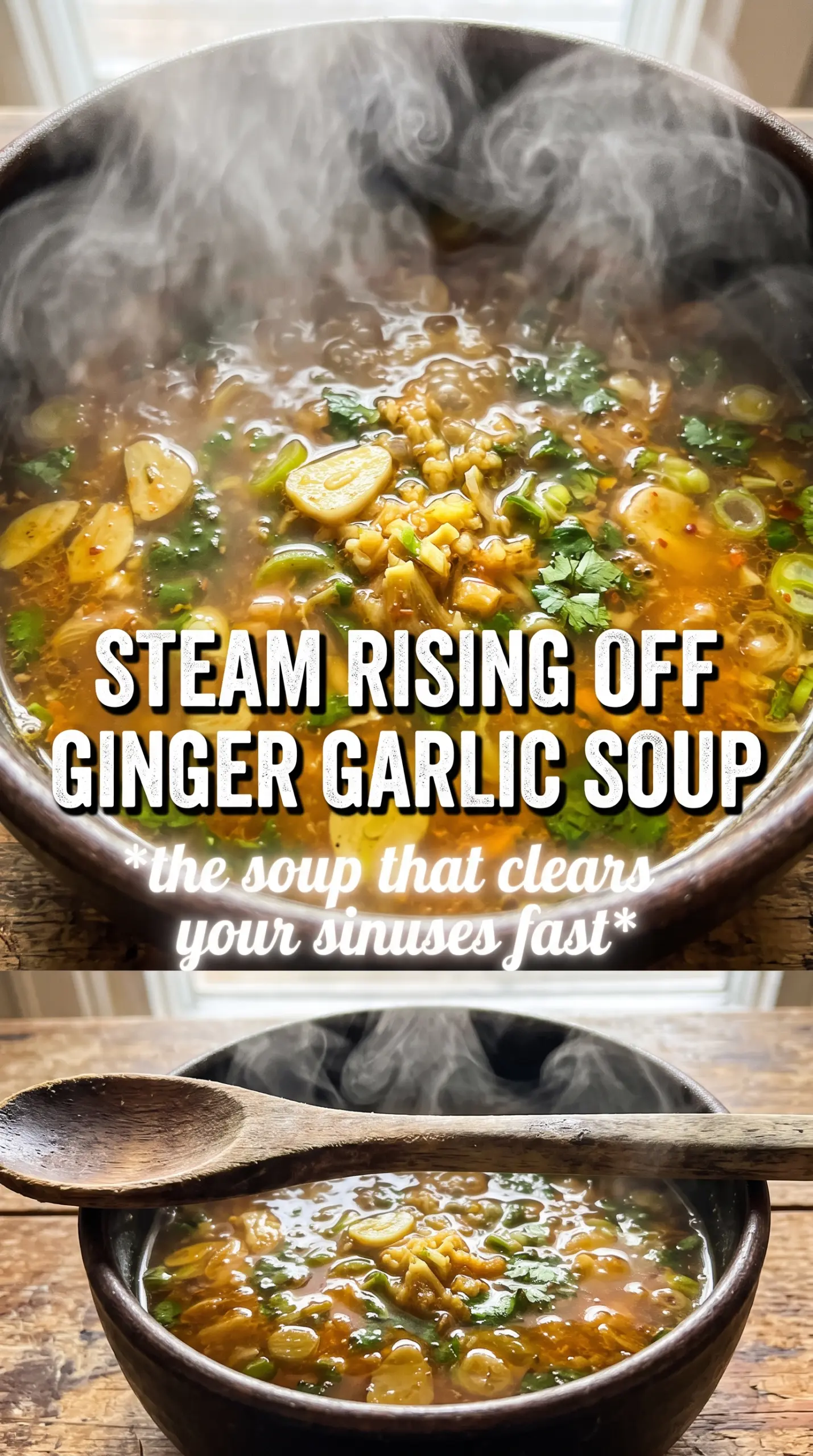
- Chicken breast or thighs — Breast stays lean and slices cleanly, while thighs bring a little more richness and stay forgiving if the soup simmers a few minutes longer. Thighs are my first choice if you want the most tender result, but breast works fine if you don’t overcook it.
- Fresh ginger and garlic — These are the backbone of the broth. Fresh is worth it here; dried ginger won’t give you the same warmth, and garlic powder won’t bloom into the soup the same way minced garlic does.
- Chicken broth — Use a broth you’d actually sip. If yours is low on flavor, the soup will taste thin no matter how much ginger and garlic you add, so this is the place to reach for the better carton.
- Sesame oil — Add it at the end, not the beginning. It’s a finishing flavor here, and heating it too long flattens the nutty aroma that makes the bowl taste complete.
- Rice vinegar — The tiny splash at the end wakes up the broth and keeps it from tasting one-note. Lemon can work in a pinch, but it changes the profile more sharply than rice vinegar does.
- Ramen or egg noodles — Ramen gives a little chew and cooks fast; egg noodles are softer and a bit more classic. Either one works, but both should go in late so they keep their texture.
Building the Broth in the Right Order
Softening the Vegetables First
Start with the onion, carrots, and celery in a little oil and cook them until the onion turns translucent and the carrots lose their raw edge. You’re not trying to brown them here; you’re building sweetness and body in the broth. If the pot looks dry or the vegetables begin to catch, lower the heat and give them another minute. That first layer of flavor carries through the whole soup.
Waking Up the Ginger and Garlic
Add the garlic and ginger only after the vegetables have softened. They need just a short cook to become fragrant, and if they sit in the pot too long they’ll go bitter or burn at the edges. You’ll know they’re ready when the kitchen smells sharp and warm, not harsh. Keep stirring during this stage so nothing sticks to the bottom.
Simmering the Chicken Until It’s Just Cooked
Pour in the broth and soy sauce, then add the chicken and bring everything to a boil before lowering it to a steady simmer. The chicken should cook through without getting stringy, so don’t keep the heat high once it’s moving. When it’s ready, the meat will feel firm but still juicy and will shred easily with two forks. Pull it out as soon as it’s done; leaving it in too long dries it out fast.
Finishing With Noodles and Brightness
Add the noodles only after the chicken has been shredded and returned to the pot. Cook them just until tender, because they’ll keep softening in the hot broth. Stir in the sesame oil and rice vinegar off the direct heat if you can, then taste for salt and pepper. The finish should taste savory, a little nutty, and just bright enough to make you want another spoonful.
How to Adapt This for a Lighter Bowl or a Bigger Batch
Use chicken thighs for a richer result
Thighs give the broth a fuller, slightly silkier finish and stay tender if the soup simmers a few extra minutes. They’re the safer choice if you’re not watching the pot closely, while breast gives you a cleaner, leaner bowl.
Make it gluten-free with rice noodles and tamari
Swap the soy sauce for tamari and use rice noodles instead of ramen or egg noodles. Rice noodles soften quickly, so add them at the very end and watch them closely; they can go from tender to mushy fast.
Turn it into a dairy-free, one-pot meal prep lunch
This soup is naturally dairy-free, which makes it an easy fit for meal prep. For the best leftovers, store the noodles separately from the broth if you can, then combine them when reheating so the texture stays close to fresh.
Add vegetables without losing the clean broth
Baby spinach, mushrooms, or napa cabbage all fit here. Add tender greens at the very end and heartier vegetables with the carrots and celery so they cook through without muddying the broth.
Storage and Reheating
- Refrigerator: Store in an airtight container for up to 4 days. The noodles will soften as they sit, so expect a thicker, more absorbed broth on day two.
- Freezer: The broth and chicken freeze well, but the noodles don’t. Freeze the soup without noodles if you can, then cook fresh noodles when you reheat it.
- Reheating: Warm gently over medium-low heat until steaming, not boiling. A hard boil will overcook the chicken and turn the noodles limp, so keep the heat low and add a splash of broth or water if the soup has thickened.
Answers to the Questions Worth Asking
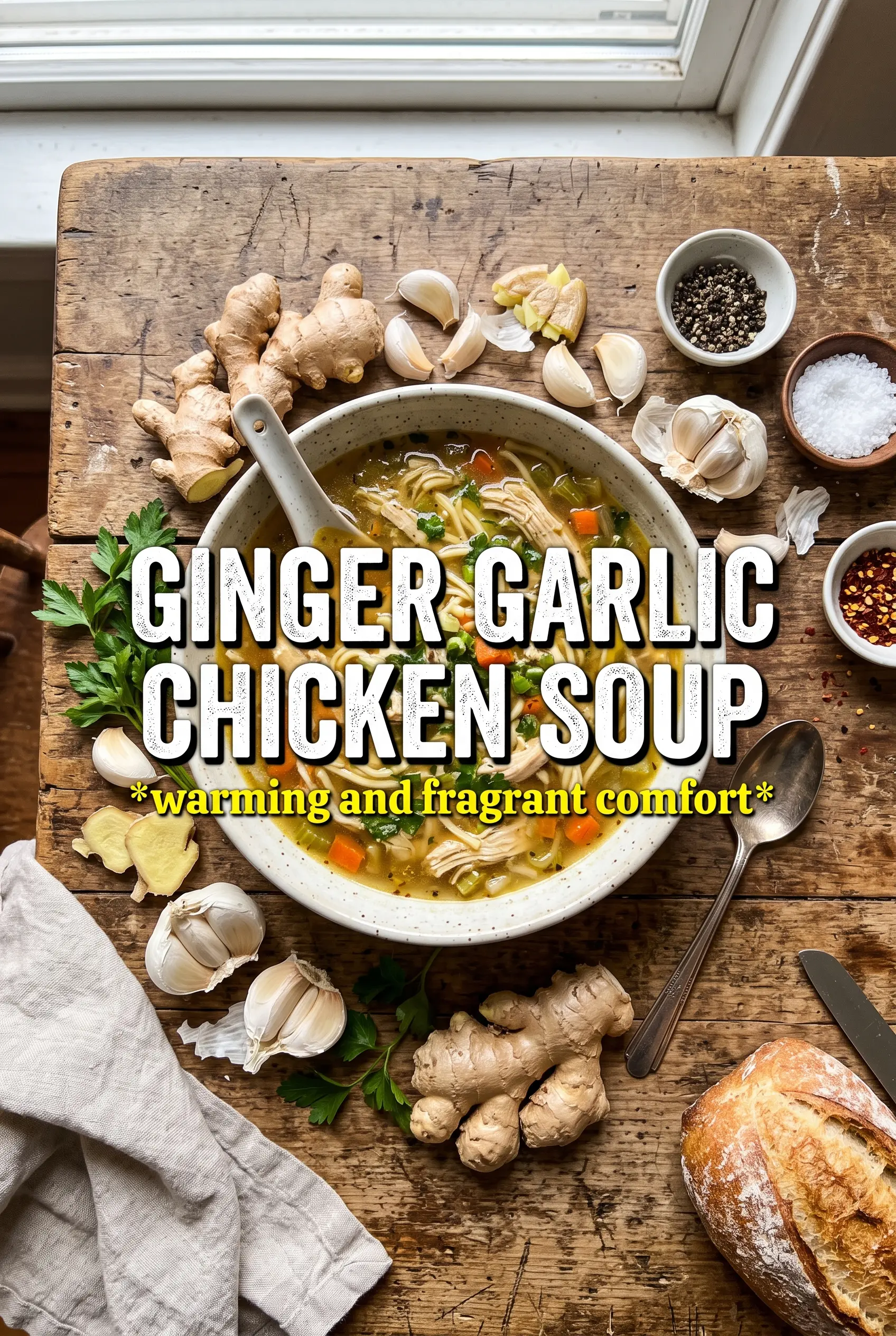
Ginger Garlic Chicken Noodle Soup
Ingredients
Equipment
Method
- Heat 1 tablespoon sesame oil in a large pot over medium heat, then sauté onion, carrots, and celery for 4 minutes until slightly softened and glossy.
- Add garlic and grated ginger, cooking for 2 minutes until very fragrant, stirring constantly so they don’t brown.
- Add chicken broth, soy sauce, and chicken to the pot, bring to a boil, then immediately reduce to a simmer for 20 minutes until the chicken is cooked through.
- Remove the chicken, shred it, and return the shredded chicken to the pot.
- Add ramen noodles or egg noodles and cook for 3-5 minutes until tender, stirring occasionally to prevent sticking.
- Stir in sesame oil and rice vinegar, then season with salt and pepper to taste.
- Top with sliced green onions, fresh cilantro, and sesame seeds right before serving.