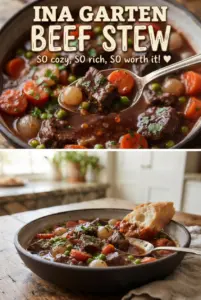
Rich beef stew with tender chunks of chuck, soft potatoes, and carrots in a thick, savory gravy is the kind of dinner that earns repeat status fast. The Instant Pot cuts the long braise down to a weeknight-friendly cook time, but the stew still eats like it simmered all afternoon. Browning the beef first gives the broth depth, and the final cornstarch finish turns everything glossy and spoon-coating instead of thin.
The key is treating the pressure cooker like a shortcut, not a magic trick. The beef needs a proper sear in batches so it develops color instead of steaming, and the onion-tomato paste base needs a quick deglaze to pull all those browned bits off the bottom. Yukon gold potatoes hold their shape better than russets, and the peas go in at the very end so they stay bright instead of turning dull and mushy.
Below you’ll find the exact timing that keeps the beef tender without collapsing the vegetables, plus the small adjustment that makes the gravy thicker and more satisfying. If you’ve ever had pressure-cooked stew come out watery or bland, the details here matter.
The beef came out fork-tender and the gravy thickened up exactly right after the slurry went in. I loved that the potatoes held their shape and didn’t turn to mush like my last pressure cooker stew.
Save this Instant Pot Beef Stew for the nights when you want fork-tender beef, thick gravy, and almost no hands-on time.
The Seared Beef Is What Gives This Stew Its Depth
Pressure cooking is fast, but it doesn’t build flavor on its own. The browning step is where the stew gets its backbone, and if you crowd the pot, the beef will steam and turn gray instead of forming the deep crust that makes the broth taste rich. Work in batches and leave the pieces alone long enough to pick up color before flipping.
The other place people lose flavor is the deglaze. Those browned bits stuck to the bottom are concentrated beef flavor, and the broth loosens them up before pressure cooking starts. Skip that scrape and you’ll get a stew that tastes flatter than it should, no matter how long it cooks.
What Each Ingredient Is Doing In The Pot

- Beef chuck — This is the cut that breaks down into tender, meaty pieces under pressure. Don’t swap in lean stew meat if you can avoid it; it tends to dry out faster. Chuck’s marbling is what gives the finished stew body.
- Tomato paste — Just a couple tablespoons deepen the broth and give it a round, savory edge. Cooking it for a minute with the onion takes away the raw taste and makes the stew taste more complete.
- Yukon gold potatoes — These hold their shape better than russets and stay creamy instead of disintegrating. Cut them into even cubes so they cook at the same pace as the carrots and don’t vanish into the gravy.
- Corstarch slurry — This is the quickest way to thicken the liquid without overcooking the vegetables. Stir it in after pressure cooking while the pot is on saute; if you add it before cooking, it can dull the texture and make the stew too thick by the end.
- Frozen peas — They add a pop of sweetness and color at the very end. Add them after thickening so they stay bright and don’t turn wrinkled.
Building The Stew So The Beef Stays Tender And The Gravy Stays Thick
Browning In Batches
Season the beef first, then sear it in hot oil without moving it too soon. You want dark browned edges, not just a pale surface, because that color turns into the stew’s flavor later. If the pot gets crowded, the meat will release moisture and stall, so keep the batches small and patient.
Cooking Down The Base
Once the beef comes out, cook the onion until it softens and starts to pick up color, then add the garlic and tomato paste. Stir the paste for a minute so it darkens slightly and loses its raw edge. Pour in some broth and scrape the bottom until the pot is clean; if anything is stuck there when pressure begins, you risk a burn notice.
Pressure Cooking And Finishing The Gravy
Add the remaining broth, Worcestershire, thyme, bay leaf, potatoes, carrots, and beef, then seal and cook under high pressure. The natural release matters because it lets the meat relax instead of tightening up suddenly. After that, switch to saute, stir in the cornstarch slurry, and let the liquid bubble until it turns glossy and coats a spoon. Add the peas only after the gravy thickens, then fish out the bay leaf before serving.
How To Adapt This Stew For Different Kitchens And Leftover Plans
Gluten-Free Without Losing Thickness
This stew is naturally close to gluten-free, but check your Worcestershire sauce and broth labels. Cornstarch thickens the gravy without flour, so the texture stays smooth and the flavor stays clean.
A Heartier Vegetable Version
Add parsnips or mushrooms if you want more vegetable depth. Mushrooms bring extra savoriness, while parsnips add a light sweetness that works well with the beef and carrots.
Using A Different Cut Of Beef
Brisket can work if that’s what you have, but it needs the same browning step and benefits from a full natural release. Leaner roasts won’t give you the same silky texture, so expect a slightly drier result if you go that route.
Storage and Reheating
- Refrigerator: Store covered for up to 4 days. The gravy thickens as it chills, so expect it to look even richer the next day.
- Freezer: It freezes well for up to 3 months. Cool it completely first, then portion it into airtight containers for easier thawing.
- Reheating: Warm it gently on the stove over medium-low or in the microwave at half power. Add a splash of broth if needed; boiling it hard can make the potatoes break apart and turn the stew cloudy.
Answers To The Questions Worth Asking
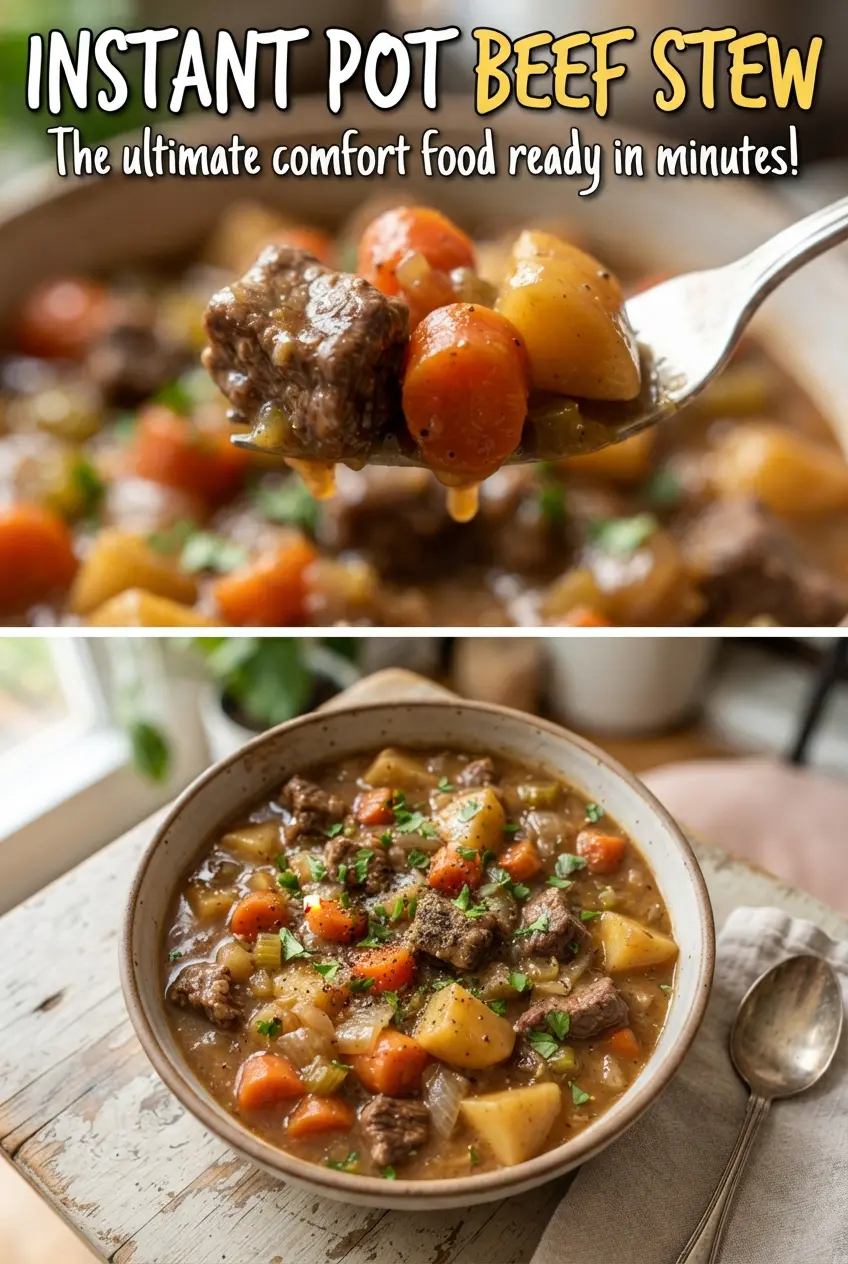
Instant Pot Beef Stew
Ingredients
Equipment
Method
- Season the beef chuck cubes with salt and black pepper. Heat olive oil on SAUTE and brown the beef in batches until well-browned, then set aside.
- Add the diced onion to the pot and cook for 3 minutes. Stir in the minced garlic and tomato paste, then deglaze with 1/2 cup beef broth while scraping the bottom.
- Add the browned beef, remaining beef broth, Worcestershire sauce, dried thyme, bay leaf, cubed Yukon gold potatoes, and 1-inch carrot pieces. Seal and cook on HIGH pressure for 35 minutes, then use natural release for 10 minutes.
- Switch to SAUTE and stir in the cornstarch slurry (2 tablespoons cornstarch mixed with 2 tablespoons water). Simmer, stirring, until the stew is thickened and glossy.
- Stir in the frozen peas and cook just until heated through. Remove the bay leaf and serve.