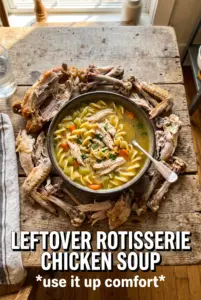
Clear broth, tender chicken, and soft egg noodles make this copycat Panera Bread chicken noodle soup the kind of bowl you keep coming back to when you want something comforting without turning the pot into a heavy cream soup. The broth stays light and golden, but it still tastes full because the vegetables are softened first and the herbs have time to bloom before the noodles go in.
What makes this version work is restraint. The chicken cooks gently so it stays juicy, the broth is seasoned in layers, and the noodles are added at the very end so they don’t turn mushy and steal the clarity from the soup. That last part matters more than people think — overcooked noodles are usually the reason a soup like this starts tasting dull and starchy instead of clean and savory.
Below you’ll find the small timing details that keep the vegetables tender, the broth clear, and the noodles in the right place. There’s also a storage note for making it ahead, because this is the kind of soup that earns its keep for lunch the next day.
The broth stayed clear and the noodles were still perfect after reheating the next day. I loved that the chicken stayed tender instead of getting stringy, and the thyme came through just like Panera’s soup.
Save this copycat Panera Bread chicken noodle soup for the days when you want a clear, cozy broth with tender chicken and noodles that stay just right.
The Broth Stays Clear Only If the Noodles Wait Their Turn
The biggest mistake with chicken noodle soup is adding the noodles too early and letting them simmer away until they swell, split, and turn the broth cloudy. This version keeps the broth clean because the noodles go in after the chicken is cooked through, and they only need a short simmer to finish. That short finish is the difference between a bowl that tastes fresh and one that tastes like it sat on the stove too long.
The other key is the vegetable base. Onion, carrot, and celery need a few minutes in the oil first so they soften and start to sweeten before the broth goes in. If you dump everything in at once, the soup still cooks, but it won’t have the same rounded, bakery-café flavor underneath the broth.
- Chicken breast — Cut it into even 1-inch pieces so it cooks quickly without drying out. Bigger chunks take longer and can go stringy by the time the noodles are ready.
- High-quality chicken broth — This is where the soup gets its backbone. A bland broth gives you a thin, flat result, so use one you would actually sip on its own.
- Egg noodles — These are worth keeping in the recipe because they give the soup that Panera-style feel. Broken shorter, they cook more evenly and are easier to eat with a spoon.
What Each Ingredient Is Actually Doing in This Soup
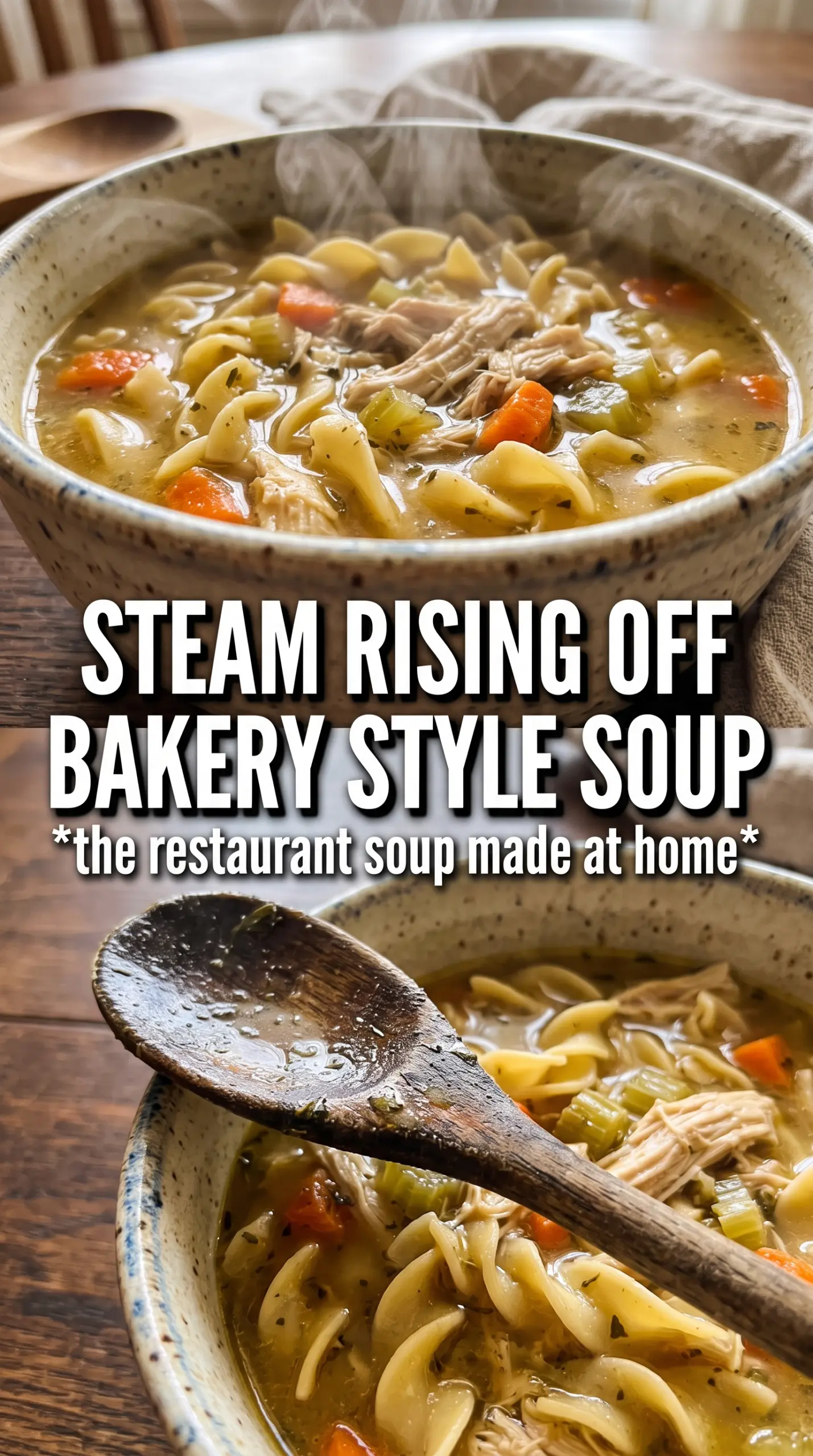
- Chicken broth — Use the best broth you can find here, because the soup is built on it. If all you have is stock, it still works, but you may need a little more salt at the end to bring the flavor forward.
- Thyme, rosemary, and poultry seasoning — These give the soup its familiar deli-style aroma without making it taste like pot roast. Rosemary can take over fast, so measure it carefully.
- Egg noodles — Regular egg noodles are the right choice for texture and speed. If you swap in a thicker pasta, you’ll need a longer simmer and the broth will lose some of its light feel.
- Fresh parsley — Stir it in at the end so it stays bright. Dried parsley won’t give you the same fresh finish, and the soup will taste more muted.
Building the Soup in the Right Order
Softening the Vegetables First
Warm the olive oil in a large pot, then cook the onion, carrots, and celery until the onion looks translucent and the edges of the vegetables start to soften. You don’t want browning here; you want the vegetables to relax and give up some sweetness. If the pot starts looking dry before they soften, lower the heat instead of adding more oil at once.
Waking Up the Herbs
Add the garlic and cook just until you smell it, about a minute. Garlic burns fast, and burnt garlic will make the whole pot taste harsh, so keep it moving and add the broth right after it smells fragrant. Stir in the thyme, rosemary, and poultry seasoning with the broth so the herbs can spread through the liquid evenly.
Cooking the Chicken Gently
Bring the soup to a boil, add the chicken, then drop it to a steady simmer. You’re looking for small bubbles, not a hard boil, because aggressive heat makes the chicken tighten up before it’s cooked through. After about 12 minutes, the pieces should be opaque and tender when you cut one open.
Finishing with the Noodles
Add the egg noodles last and cook them just until al dente, about 6 to 7 minutes. Taste one at the 5-minute mark if your noodles are thin, because they can go from perfect to soft fast. Stir in the parsley off the heat and season with salt and pepper until the broth tastes rounded, not just salty.
Three Ways to Adjust It Without Losing the Panera Feel
Make It Gluten-Free
Swap the egg noodles for a gluten-free pasta that holds its shape in soup. Cook it separately if possible, then add it to each bowl before ladling in the broth, because gluten-free noodles can turn soft faster than the classic version.
Use Rotisserie Chicken for a Faster Pot
Skip the raw chicken step and stir in shredded rotisserie chicken during the last few minutes of simmering. This saves time and still gives you a satisfying result, but the broth won’t have quite the same clean flavor from poaching the chicken in the soup itself.
Make It Dairy-Free Without Changing Anything Else
This recipe is naturally dairy-free as written, which is part of why the broth stays light and clear. Keep the olive oil, broth, vegetables, and herbs exactly the same, and don’t add cream if you’re chasing the Panera-style result.
Storage and Reheating
- Refrigerator: Store in an airtight container for up to 4 days. The noodles will keep absorbing broth, so the soup gets thicker by day two.
- Freezer: Freeze without the noodles if you want the best texture. Thaw, reheat the broth and chicken, then cook fresh noodles and add them at the end.
- Reheating: Warm it gently on the stove over medium-low heat until steaming. A hard boil will break the noodles apart and can make the chicken dry.